

A Great Black Hope
How a Missed Screener Deadline Sparked #OscarsSoWhite — and Accidentally Handed the Oscars to the World.

“There was this sense of a great black hope, if you will, that would hopefully correct this continued perceived snub of minorities in Hollywood.”
- Justin Chang, Complex
At the end of 2016, rising activist April Reign, creator of the iconic hashtag #OscarsSoWhite, gave an interview to the Christian Science Monitor. She had been a lawyer for the Federal Election Commission (FEC) for fifteen years, but left her job in 2014 because she was in need of a change.
“I was in a very comfortable place,” she recalls. “The money was good, and the job wasn’t difficult. But I wasn’t feeling creative, and there wasn’t any passion in my work… And I said, ‘I want to do something different.’”
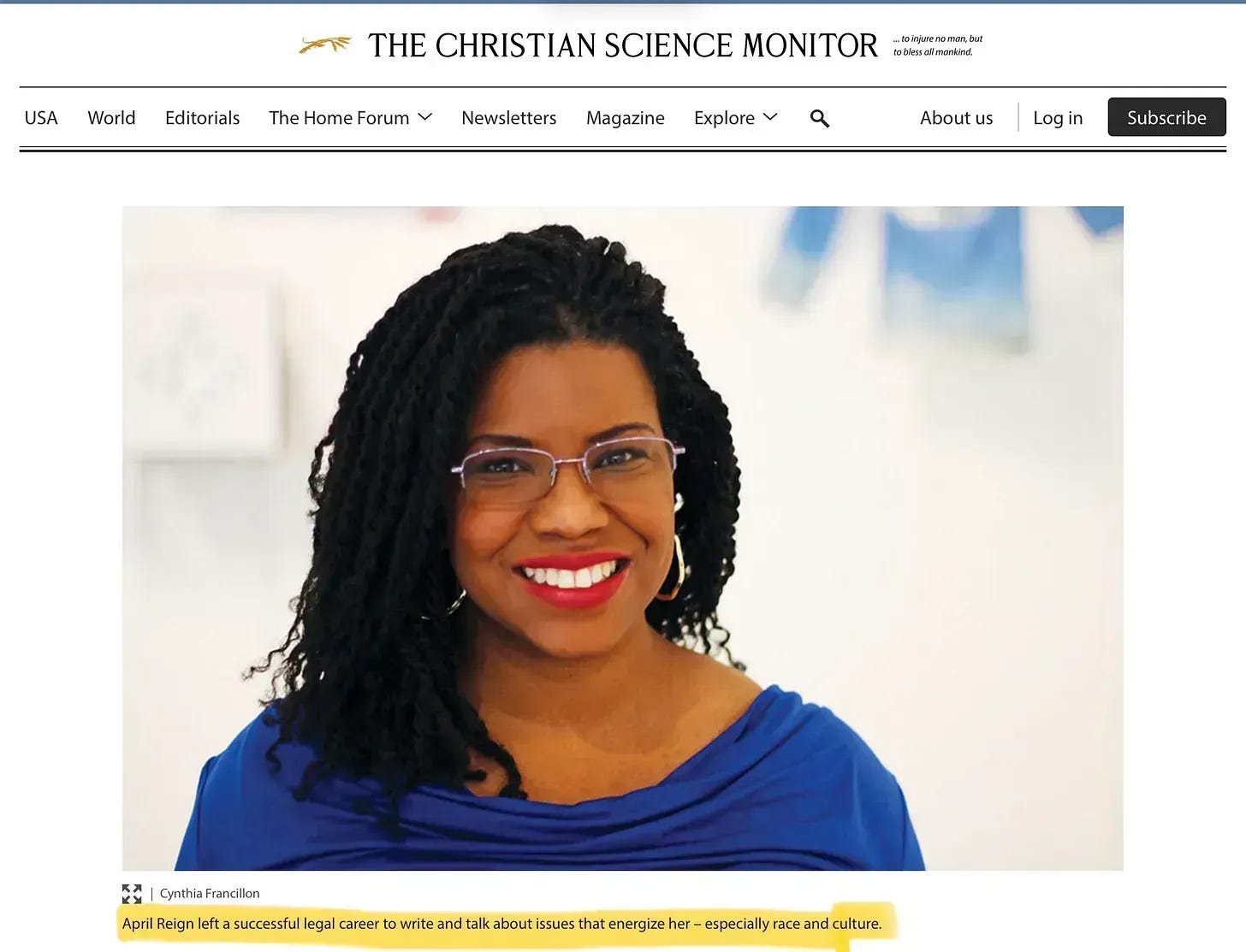
The CSM, like every other mainstream media outlet, took Reign’s story at face value. But the truth behind #OscarsSoWhite is far more complicated.
This is a story of the activism, publicity, and unintended consequences that shook the foundations of Hollywood. And it all began with a series of tweets.
But no, not the ones you’re thinking of. Not yet.
Tweeting Herself Out of a Job
April Reign was born April Juanita Sands in Newark, New Jersey. After attending undergrad and law school at the University of Texas, she worked as a supervisor for the FEC’s enforcement division. But her true love was Twitter.
This was the golden age of Black Twitter, and Reign was an early power user on her “Reignofapril” account. From 2010-2014, Sands sent more than 232,000 tweets. That’s 160 tweets a day, every day, for four years.
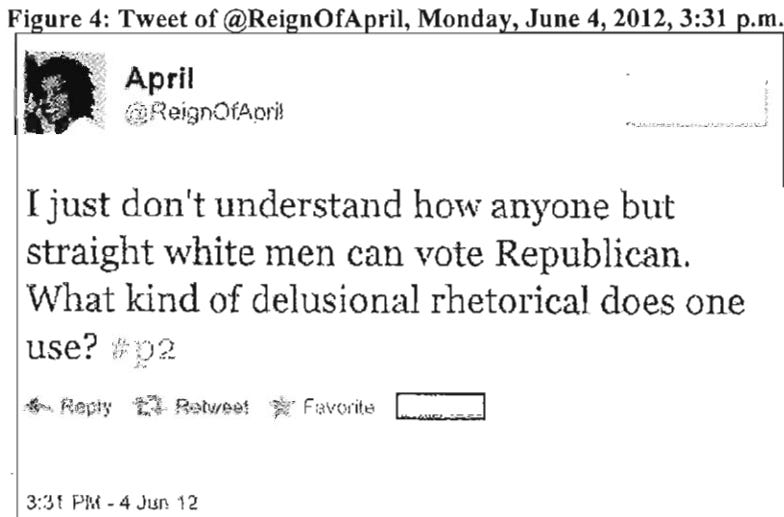
But it turned out there was a serious problem: Reign had been using her work computer to send many of her most inflammatory, partisan tweets, and during work hours no less.
Reign wasn’t just any federal employee; she worked for the Federal Election Commission’s enforcement division, specifically charged with investigating "alleged violations of the law" and making recommendations to the FEC about "appropriate action to take with respect to apparent violations."
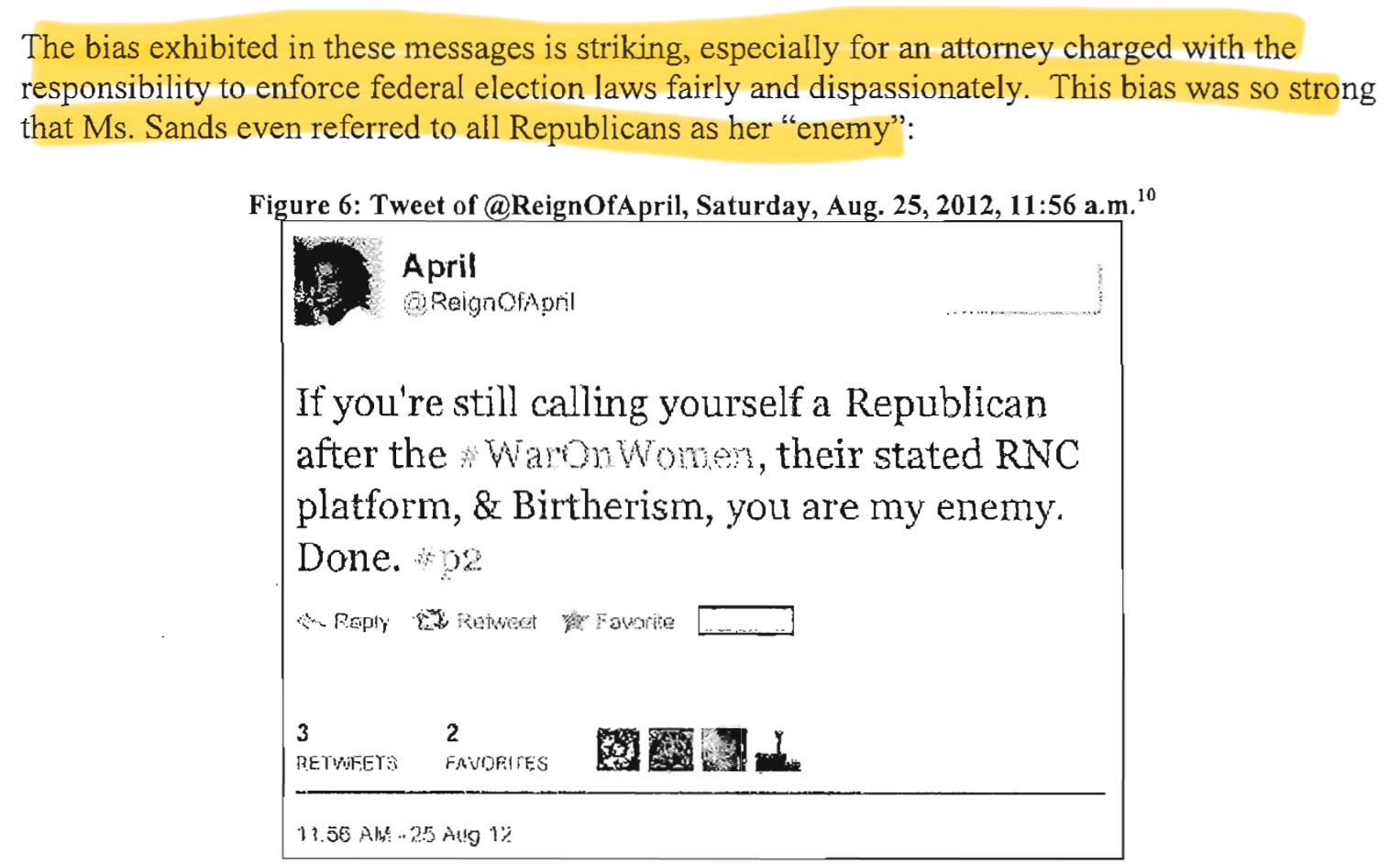
An FEC attorney who was still employed by the agency at the time told the Daily Mail that Sands was known in the agency as ‘the most enthusiastic pro-Obama lawyer we had.’
‘Everyone called her Obama girl,’ said the lawyer, who requested anonymity because he is not authorized to speak on the record. ‘She probably didn’t worry about seeming too rah-rah and running afoul of the law,’ he added, ‘because she bragged to anyone who would listen that the Obama 2012 campaign was going to hire her away from the FEC.’
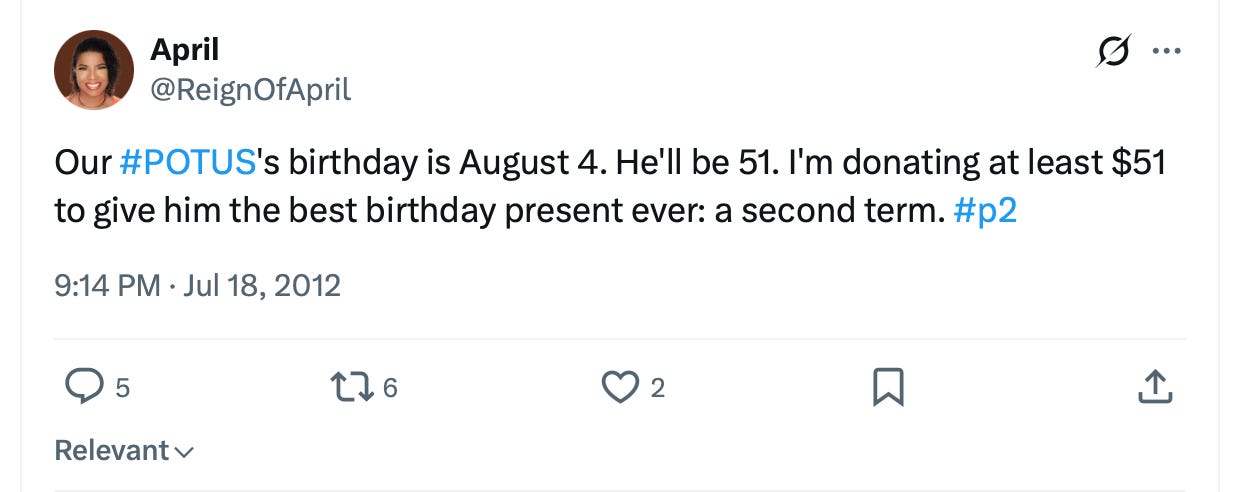
As the House Oversight Committee’s Investigation showed, tweets like the one above were in violation of The Hatch Act, a federal law that makes it a crime for a federal employee to “solicit or receive a donation of money or other thing of value in connection with a Federal, State, or local election, while in any room or building occupied in the discharge of official duties.”
A conviction can result in a $5,000 fine and up to three years in prison.
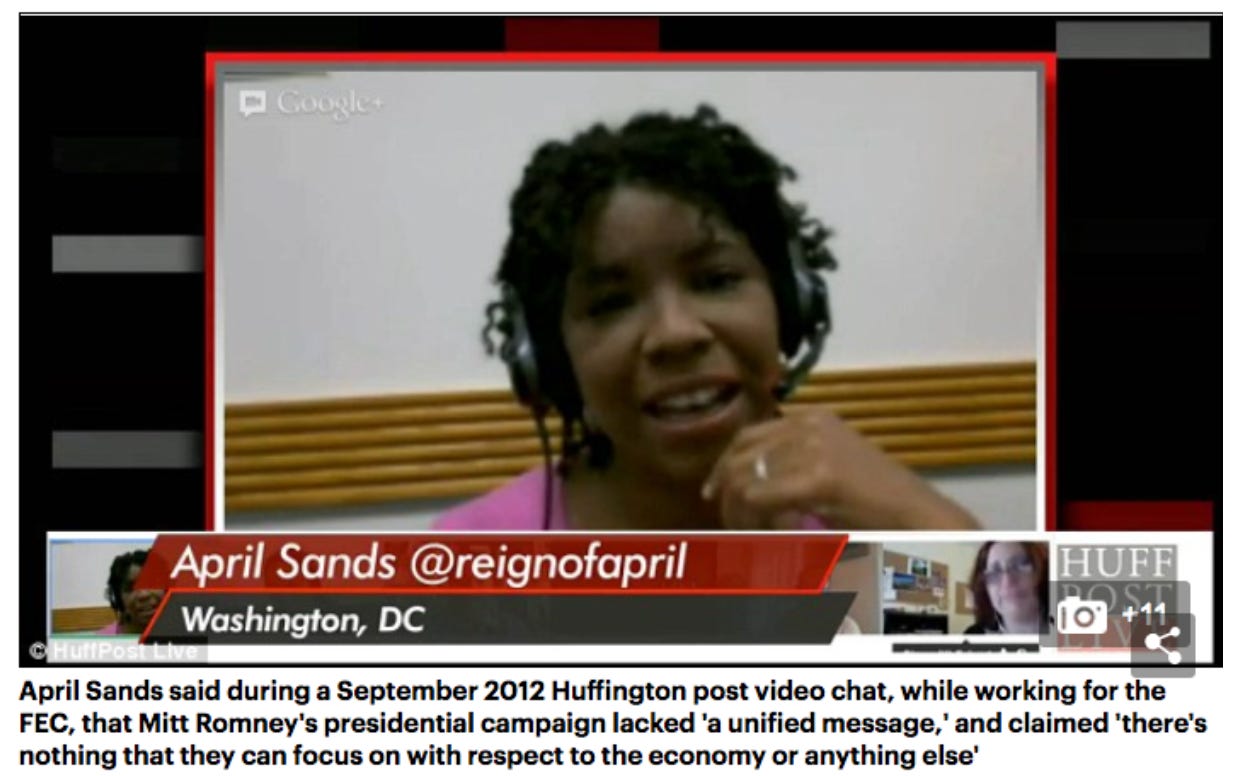
As a part of a settlement agreement with the [Office of Special Counsel], Ms. Sands admitted to violating the Hatch Act by soliciting political contributions via Twitter, conducting political activity through her Twitter account, and participating in a political discussion ‘via webcam from an FEC conference room . . . while on duty.’
According to the investigation, Sands' computer hard drive was recycled, and its records wiped, before the FEC's Inspector General could access it.
"The FEC's failure to retain Ms. Sands' hard drive prevented the FEC (Office of Inspector General) from fully pursuing appropriate criminal sanctions for Ms. Sands' admitted violations of federal law," Representative Jim Jordan (R, Ohio) wrote.
Still, Sands was forced to resign in April of 2014, and barred from federal employment for two years. She continued tweeting through May and June, commenting on Obama and the BET Awards (awards shows were her biggest passion).
It was only after receiving questions from the Daily Mail that she made her tweets private in mid-July.
Bad Day at Banana Republic
Barry Jenkins was broke. His first feature Medicine for Melancholy, made for just $15,000, had been an indie success, premiering at SXSW, playing Toronto, and been nominated for Gotham and Indie Spirit Awards. But, like its mumblecore predecessors, the film was not a financial hit, grossing just $111,551 at the box office.
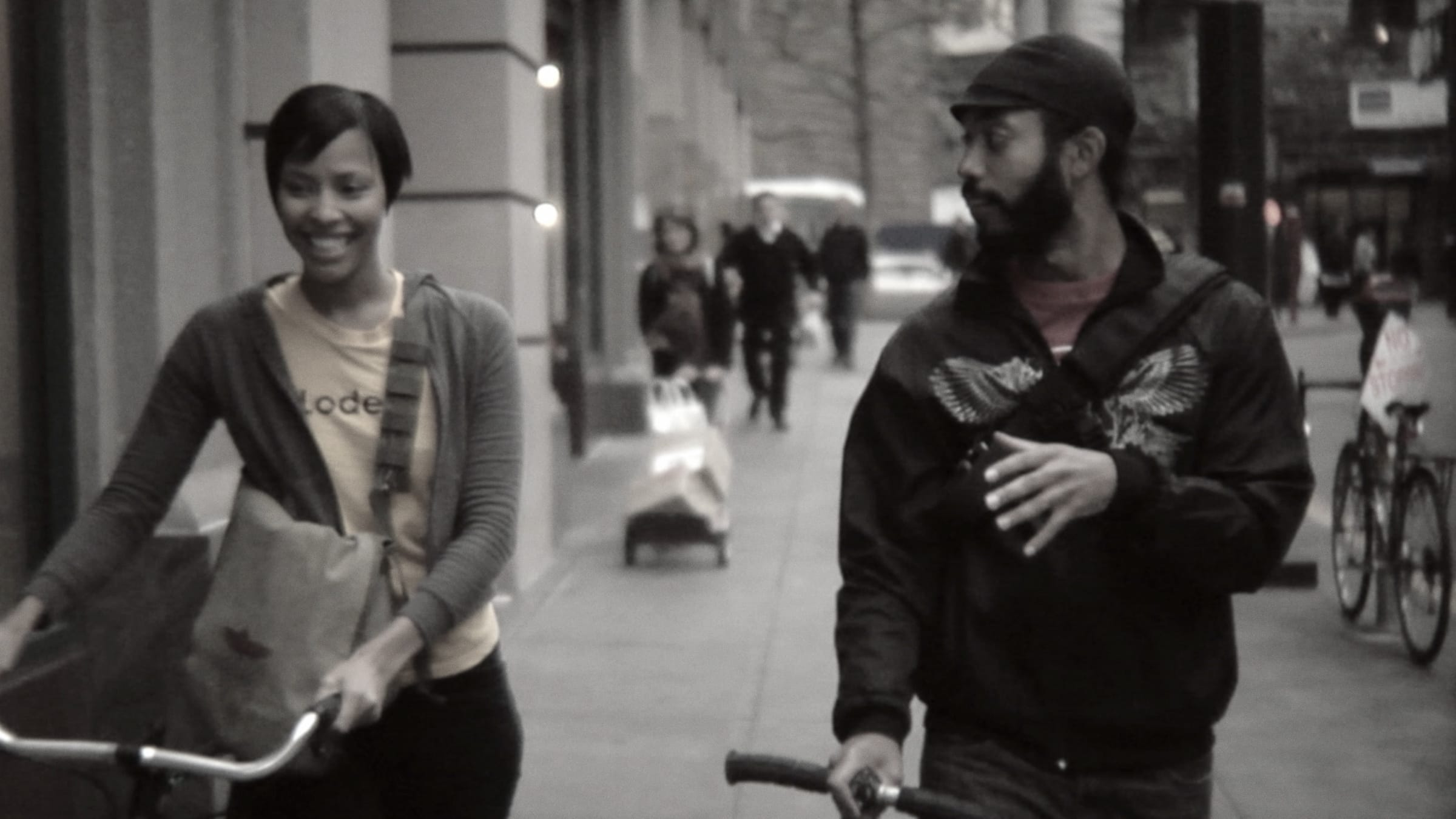
While Jenkins landed an agent at CAA and a deal with Focus Features, he still had to pay rent. And that meant continuing his job as a shipment supervisor at Banana Republic. For years, he would wake up at 4:30 a.m. to be at work by 5:30 a.m., he told Filmmaker Magazine.
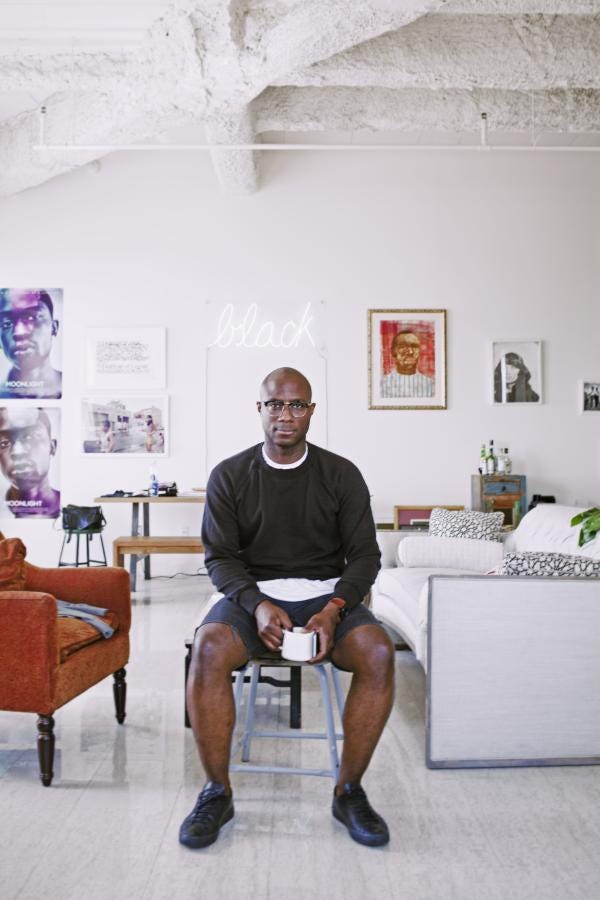
Jenkins grew up in Miami, in the most hardscrabble circumstances imaginable. His mother, a nurse, was addicted to crack. He was eventually taken in by a surrogate grandmother figure, and escaped the projects through football, playing for a Liberty City team that included seven future NFL players. It landed him an academic scholarship to Florida State, where he eventually discovered the film school.
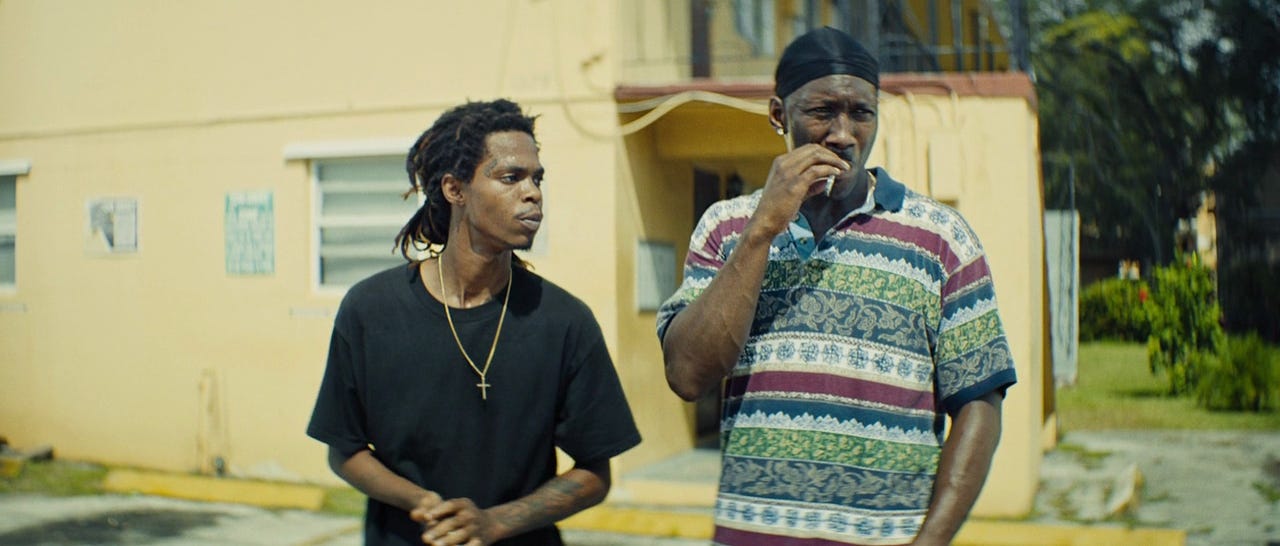
After the modest success of his first feature, Jenkins then spent a long time trying to get an adaptation of Bill Clegg’s junkie memoir off the ground (his Focus deal), while also directing short films. Eventually Jenkins partnered with Tarell Alvin McCraney, also from Liberty City, on an adaptation of McCraney’s unproduced play called In Moonlight Black Boys Look Blue.
It was now 2013. Financing for Moonlight was not going well, and it had already been five years since Medicine for Melancholy was released, when Jenkins was invited to moderate a panel at Telluride, where he had worked his way up from a volunteer, cleaning movie theaters after festival screenings.
That fateful panel was a Q+A with Brad Pitt and Steve McQueen for their new film 12 Years a Slave. Jenkins’s hosting duties resulted in what he called “the sweetest ambush” – an invitation to dinner and an offer from Plan B, Brad Pitt’s production company, to produce Moonlight.
“I was so damn naive I didn’t realize a company like Plan B would be interested. I’m not the sharpest tool in the shed.”
Moonlight’s IMDb logline: “A young African-American man grapples with his identity and sexuality while experiencing the everyday struggles of childhood, adolescence, and burgeoning adulthood.” The film was a poetic, nuanced, art-housey story, the kind that makes critics and festival programmers salivate, but rarely moves general audiences.
Jenkins was of course aware of his arthouse lineage. In a BFI Portrait he cited his influences: Claire Denis, Oshima Nagisa, Wong Kar Wai, Carlos Reygadas, Hou Hsiao-Hsien and Charles Burnett, the only American on his list.
Wrestling His Way Up
Nate Parker also had a troubled upbringing. He was born in Norfolk, Virginia to a 17 year old single mother. His mother eventually remarried, and her second husband created enough trouble for Parker that he moved in with his maternal uncle at 14.
His uncle was a former wrestler, who encouraged him to join the sport. His talent soon took him to Penn State. He became an All-American, placing fifth in the 2002 NCAA championships, and graduating with a degree in computer programming.
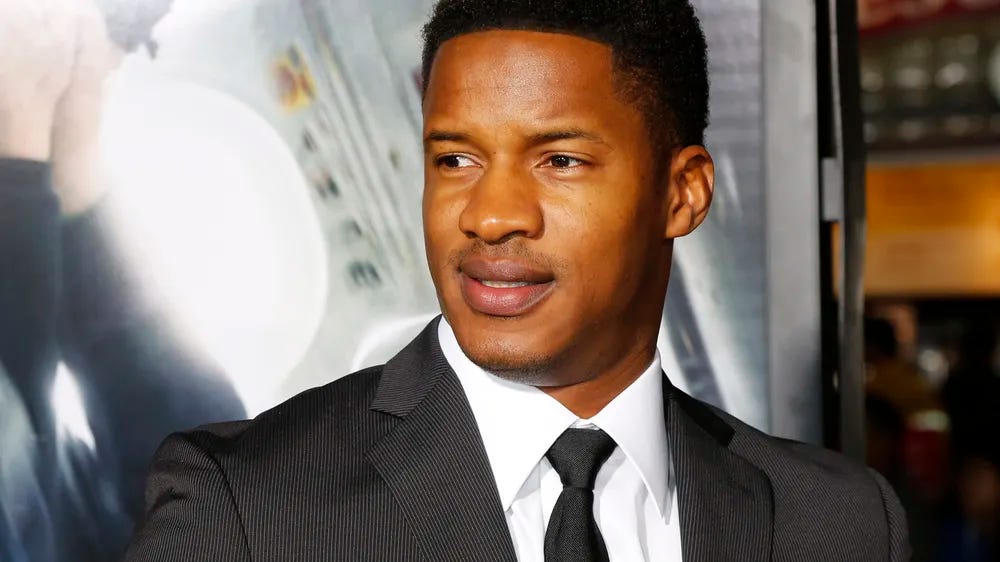
After college, a Hollywood manager discovered him while he was working as a computer programmer, then urged him to move to Los Angeles. Parker soon got his first acting gigs, including supporting roles in films like George Lucas’s Red Tails.
At the same time, Parker was directing short films, and developing his dream project, a film based on the life of Nat Turner, the leader of an infamous 1831 slave rebellion which resulted in the death of 55 whites. After the two day rebellion, Turner was captured, tried and executed. Parker chose the title The Birth of a Nation in direct response to D.W. Griffith’s infamously racist film.
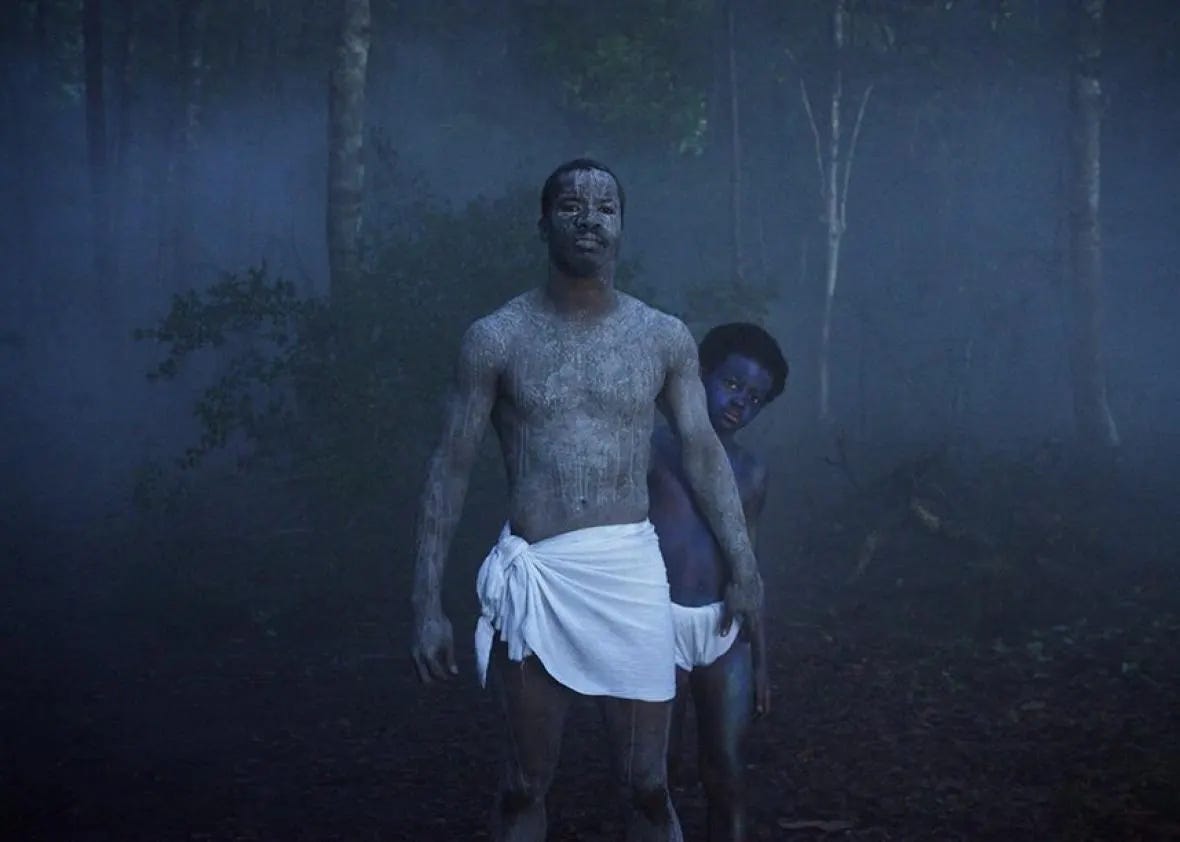
A few days after he finished shooting the R&B romance Beyond the Lights in late 2013, Parker decided it was time to make his Nat Turner movie. He told his agents he would stop acting until he could play the role he was born to play. Parker was so determined he put up $100,000 of his own money to get the film going.
He began raising money, first from NBA players Michael Finley and Tony Parker, as well as NFL linebacker Derrick Brooks, and Hollywood pros like Ed Zwick and David Goyer. Soon he had a $10m budget and a star-studded cast including the (then not disgraced) Armie Hammer and Gabrielle Union.
Parker most often compared his film to 1996 Best Picture Winner Braveheart:
“I reached out to Mel Gibson and he responded. He read my script and he sat with me for three hours and literally gave me a checklist of all that I needed to do. He called me from Australia the day before my battle sequences.”
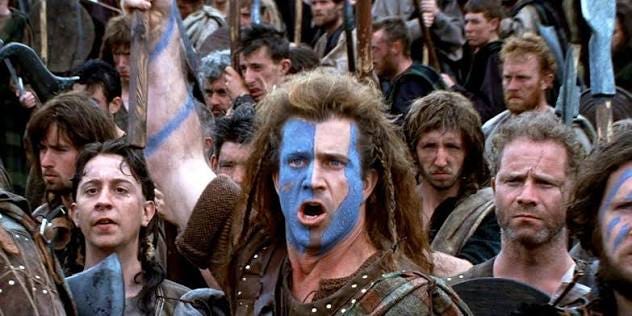
One would struggle to find two more divergent cinematic influences than Charles Burnett and Braveheart. But they would soon offer radically different paths for the Academy.
All the dominoes were lined up. All they needed was a catalyst, which erupted in the summer of 2014, before either film was even shot.
Ferguson Calling
On August 9th, 2014, Michael Brown, an eighteen year old Black man, had stolen a box of Swisher Sweet cigars from a convenience store. He shoved a clerk before fleeing the scene with his friend Dorian Johnson. Brown was soon confronted by law enforcement officer Darren Wilson. After a struggle, Wilson shot the unarmed Brown six times, killing him. A grand jury ultimately declined to indict Wilson. The Department of Justice also declined to bring federal charges.
It sparked a racial reckoning that reshaped America, and Hollywood with it.
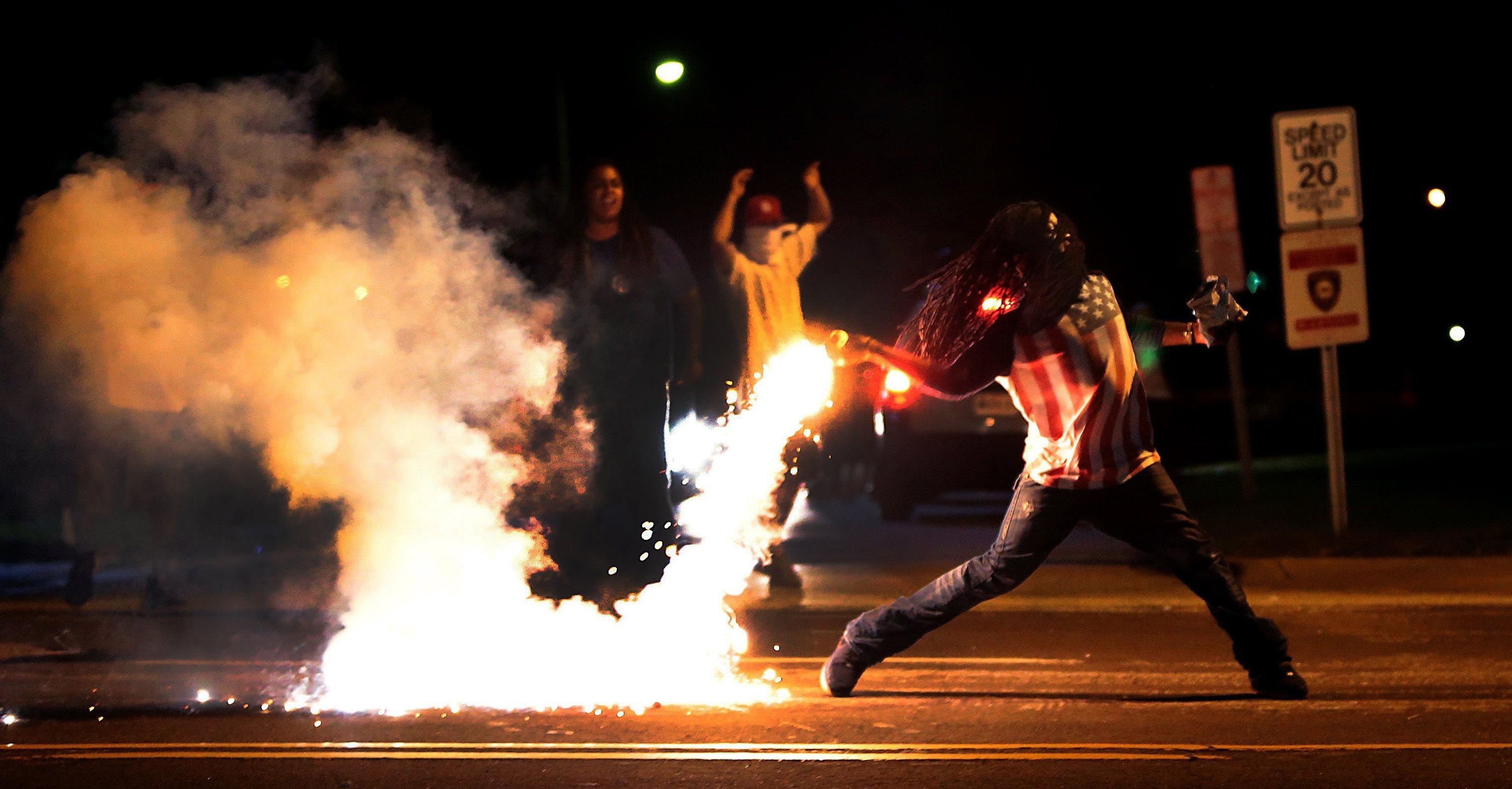
Ferguson, it turned out, was a house of horrors for its low income Black community. The local police seemed to be treating them as a sort of municipal bond, loading them with tickets and fines and throwing them in jail in unsanitary conditions when they were unable to pay. As Harper’s reported:
In March [of 2015], the Department of Justice concluded that Ferguson relies on the “enforcement of code provisions” to generate a significant portion of revenue and that the police disproportionately target black residents. African Americans make up 67 percent of the population of Ferguson but receive 90 percent of tickets and face 93 percent of arrests.
Once arrested, the Black citizens of Ferguson were often held in jail for weeks, in insane, Guantanamo-like conditions. They were denied basic toiletries, showers, and feminine hygiene products.
[…] On numerous occasions, guards mocked the women and would shout things like: “You hoes stink” and “You need to wash out your coochies.”
The killing of Michael Brown sparked dozens of protests, and turbocharged the nascent Black Lives Matter movement, initially created in 2013 in response to George Zimmerman’s acquittal for Trayvon Martin’s shooting.
But it was 2014’s “summer of unrest” that made it a national fixture.
April Reign is Born
That fateful summer of 2014 is when April Sands — unemployed and barred from federal work for two years — became April Reign. The practical effect is a matter of record: a search for April Juanita Sands yields a forced FEC resignation. One for April Reign presents an activist.
She had already been tweeting as @ReignOfApril since 2010. After the resignation, the handle became her identity.
Seeing the events unfolding in Ferguson, Reign was unable to resist the siren call of social media. She had been off for less than a month the night Michael Brown was killed, when she returned to the medium that doomed her legal career.
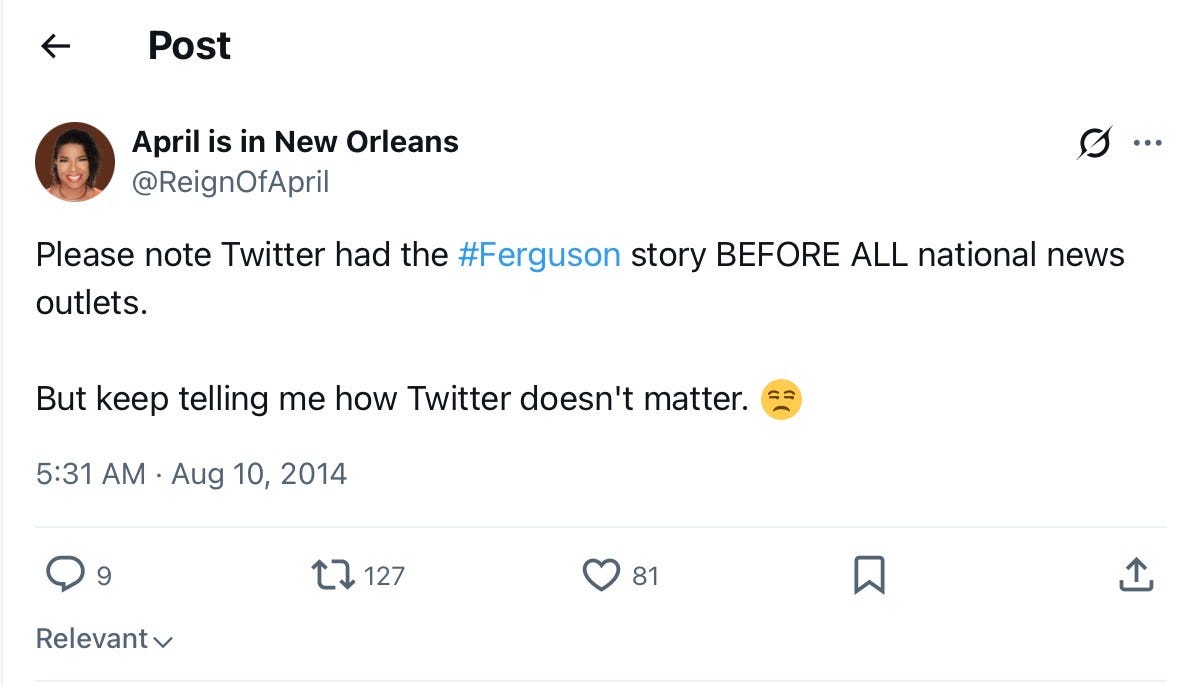
Reign soon found a new job — and a new biography. Her public accounts of leaving the FEC, as well as her LinkedIn page, mention no forced resignation, no missing hard drives, no two-year suspension. As she told the Washington Post in 2017:
In 2013, Andrew Shade, a friend of Reign’s from Twitter, needed help with the website he’d just founded, Broadway Black, spotlighting black artists in theater. Reign’s job in campaign finance lacked creativity, she said, so she began to write for the site to feed her passion for the arts and help ease Shade’s workload. She eventually left law and became Broadway Black’s managing editor.
It was pretty small time stuff, but Reign’s social media addiction was soon to yield some very unexpected results.
A Hollywood Powder Keg
As the summer of unrest continued, Hollywood seemed to have been making racial progress.
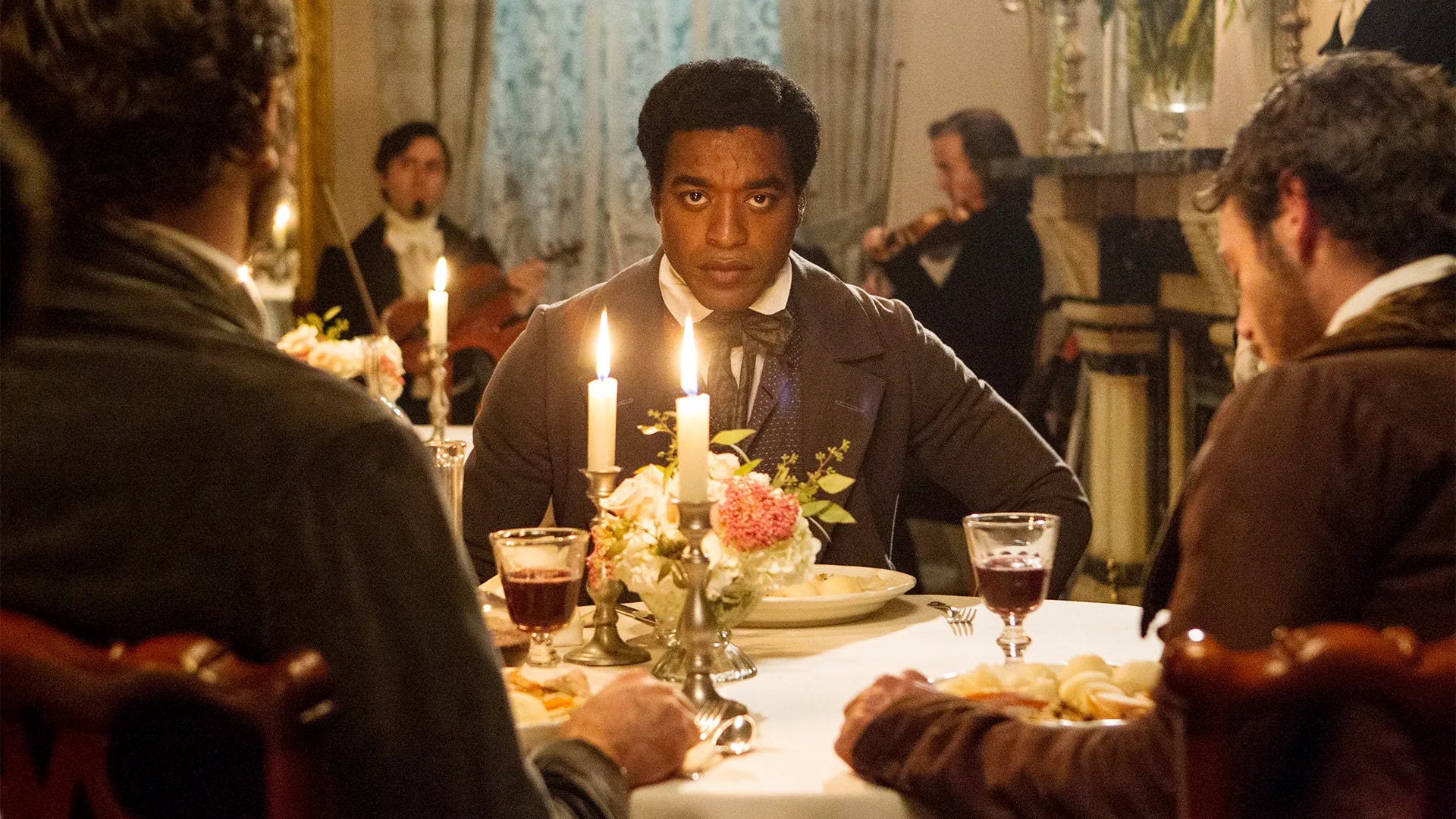
2014’s Best Picture winner was Steve McQueen’s harrowing 12 Years A Slave. That year there were also three Black acting nominees: Lupita Nyong’o, Chiwetel Ejiofor and Barkhad Abdi. Nyong’o won Best Supporting Actress, and Steve McQueen became the first Black man to direct a Best Picture winner. 12 Years was also a box office success, grossing $187m on a $20m budget.
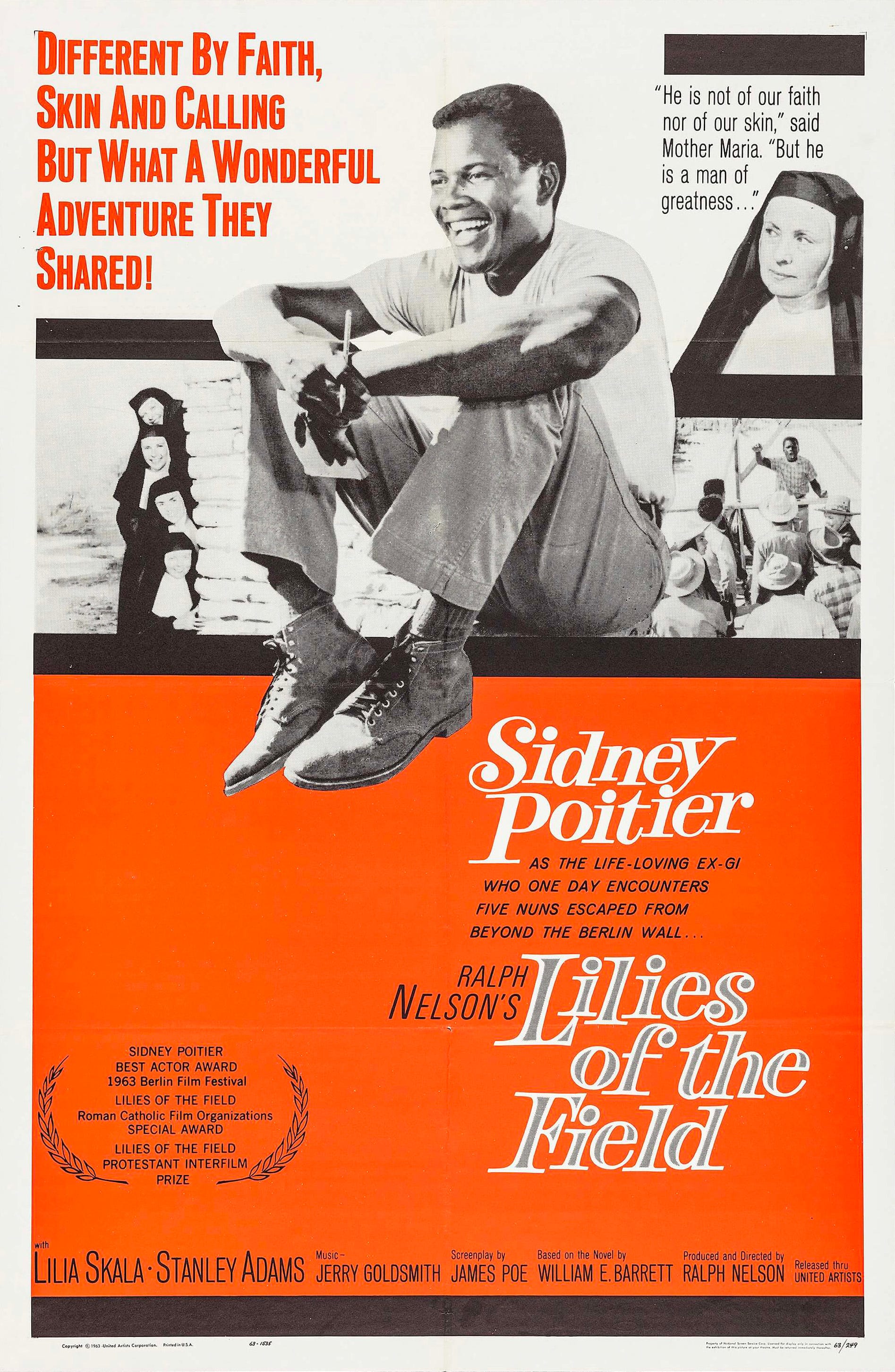
In the 20th century, Black representation in the acting categories had been dismal, with just five competitive acting wins across the Academy’s first 71 ceremonies. Only one Black actor had ever won Best Actor, Sidney Poitier, for 1964’s Lilies of the Field. At the end of the 20th century, no Black woman had ever won Best Actress.
The remaining four winners — Louis Gossett Jr. (1983’s An Officer and a Gentleman), Hattie McDaniel (1940’s Gone With the Wind), Denzel Washington (1990’s Glory) and Whoopi Goldberg (1991’s Ghost) — all came in the supporting categories. Entire decades passed — the 1950s, the 1970s — without a single Black winner.
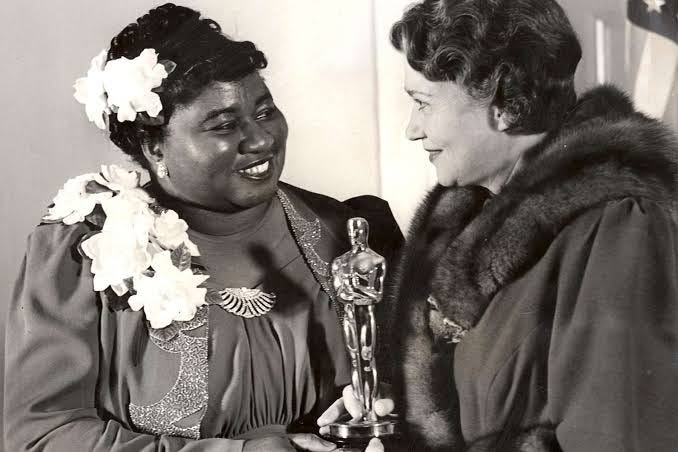
Hattie McDaniel, the first Black Oscar winner ever in 1940, sat at a segregated table against the back wall. She died in 1952 without seeing another Black actor win.
The nominees told a similar story: across the Academy’s first 71 ceremonies, only 35 Black actors had received acting nominations, accounting for just 55 nominations in total.
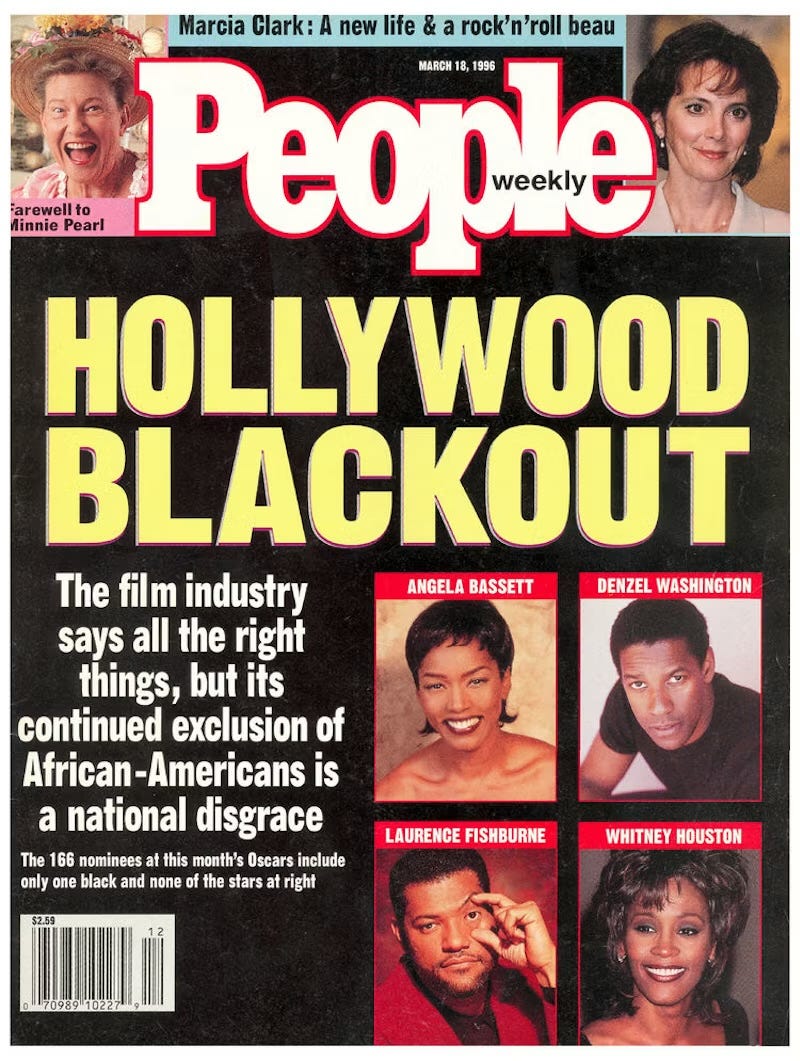
In 1996, People Magazine started a scandal when they discovered that, out of the 166 Oscar Nominees that year, only one short film director, Dianne Houston, was Black. Protests were planned outside the awards.
But the 21st century brought several milestones in quick succession:
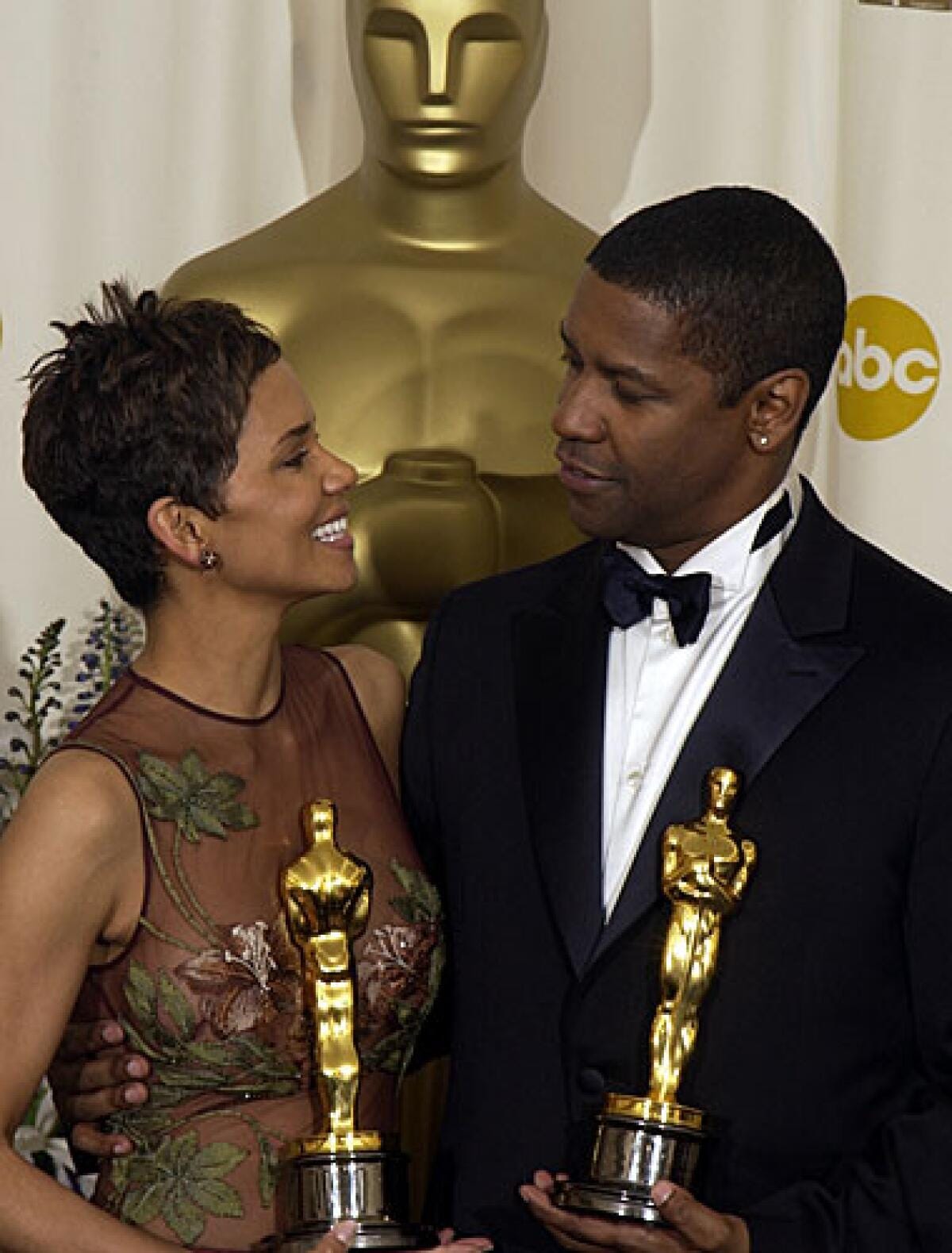
In 2002, Denzel Washington won Best Actor, 38 years after Poitier, for Training Day. Halle Berry also made Oscar history, becoming the first Black woman to win Best Actress for Monster’s Ball.
2005: Jamie Foxx wins Best Actor for Ray, Morgan Freeman wins Best Supporting Actor for Million Dollar Baby. Four Black acting nominations total.
2007: Forest Whitaker wins Best Actor for The Last King of Scotland, Jennifer Hudson wins Best Supporting Actress for Dreamgirls; five Black acting nominees.
2010: Mo’Nique wins Best Supporting Actress, and Geoffrey Fletcher becomes the first Black winner of a screenplay Oscar for Best Adapted Screenplay for Precious.
2013: Quvenzhanè Wallis becomes the youngest person ever nominated for Best Actress for Beasts of the Southern Wild.
2014, the year of 12 Years A Slave, was arguably the peak:
1st Best Picture winner directed and produced by a Black filmmaker.
2nd Black writer to win Best Screenplay (John Ridley).
Black Supporting Actress winner (Lupita Nyong’o).
1st Black female Academy president (Cheryl Boone Isaacs).
1st Mexican filmmaker to win Best Director (Alfonso Cuarón).
The Academy was still overwhelmingly white, but the first 15 ceremonies of the 21st century produced nearly twice as many competitive acting wins for Black actors (9) as the previous 71 ceremonies combined (5).
Perhaps this recent track record would be enough to shield Hollywood from the coming storm?
95,000 Tweets an Hour
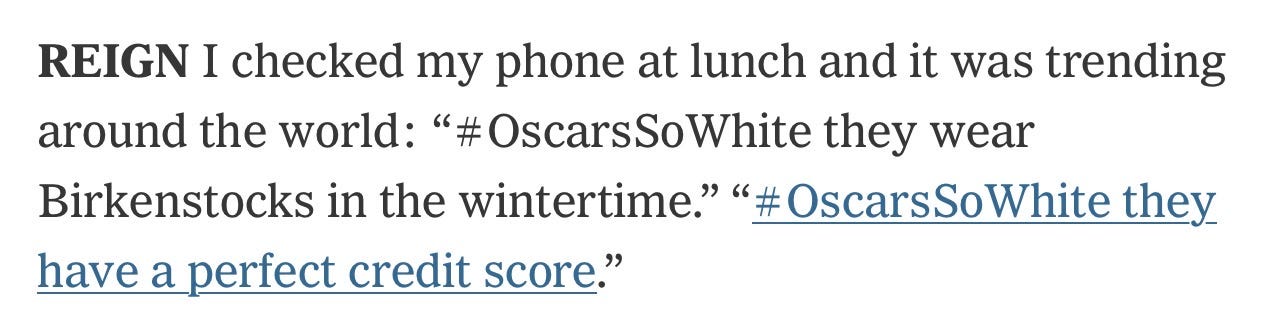
As the 2015 Oscars were announced on the morning of January 15th, Reign was ready. She’d always been an eager awards show tweeter, and this was the biggest one of them all. When all twenty acting nominations went to white performers, she was surprised and upset, and her famous hashtag was born.
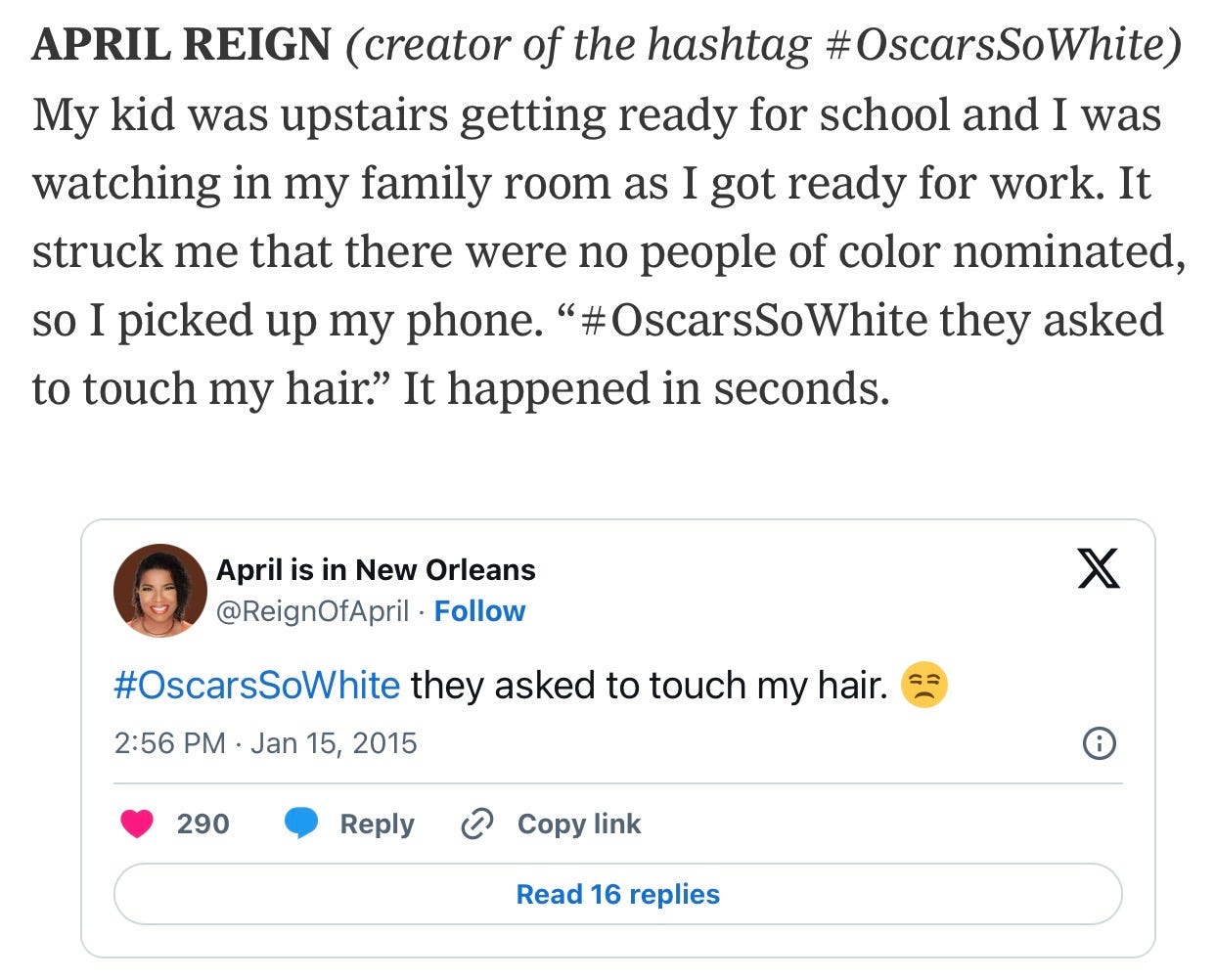
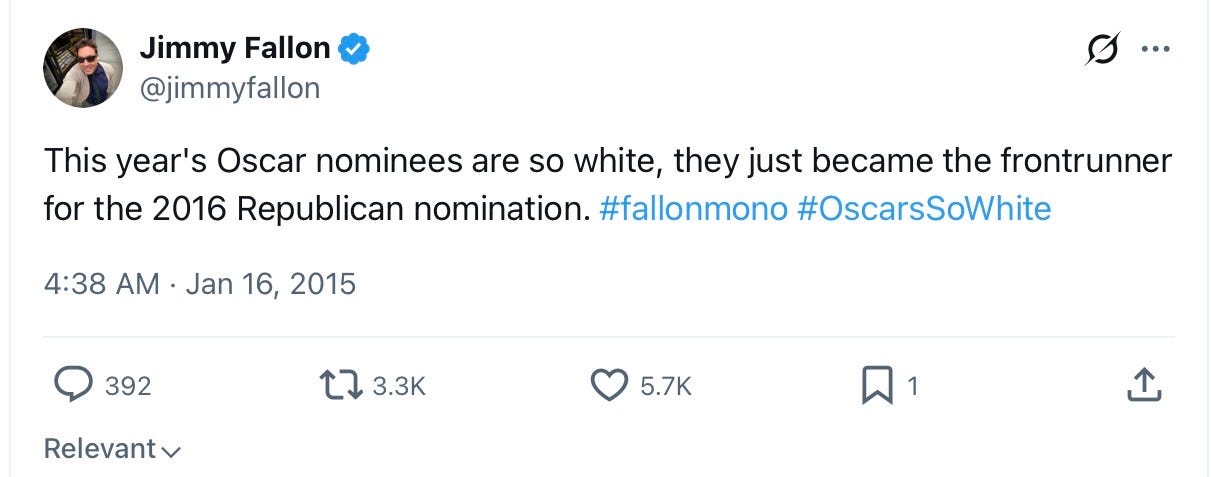
The hashtag went viral, with 95,000 tweets per hour. Mainstream outlets like The Huffington Post would soon join the bandwagon, and even late night host Jimmy Fallon tweeted:
But were the 2015 Oscars #SoWhite? Before 2015, the last time the Oscars had produced an all-white acting nominee list was 17 years prior, in 1998, as Vox reported.
While there is a structural argument to be made for how not enough Black films were being produced, the reality is that only completed films with real studios and massive marketing budgets get nominated for Oscars. There is a very finite supply of these films, especially Black-led ones, and Oscar campaigns are a world just as ruthless and expensive as any national political campaign.
As we are about to see, with such a limited supply, any single stroke of bad luck can prove catastrophic, especially under severe activist pressure.
So what options were actually available to the Academy in 2015?
A Blood Sport: How People Actually Win Oscars
The path to winning Best Actor (or any) Oscar is beset with a gauntlet of prior awards, which serve as a sort of prestige obstacle course. Alfonso Cuarón, winner of two directing Oscars, famously called campaigning “vicious.”
It’s a seven month process, often longer, no different from a political campaign, with all the attendant mud-slinging.
A 2023 New York Times Magazine piece referred to it as a “blood sport,” and “cutthroat:”
Oscar campaigns are often run by professional strategists, essentially a specialized breed of publicist. Their job begins as early as a year before the awards, sometimes before a film is even shot. They advise on which festival a film should premiere at, shape a campaign platform and hope that the film gains enough momentum to propel it into awards season. All the stops along the campaign trail — screenings, events, other award shows — are an opportunity to workshop talking points and gauge the competition.
Here’s how it works for a lot of movies:
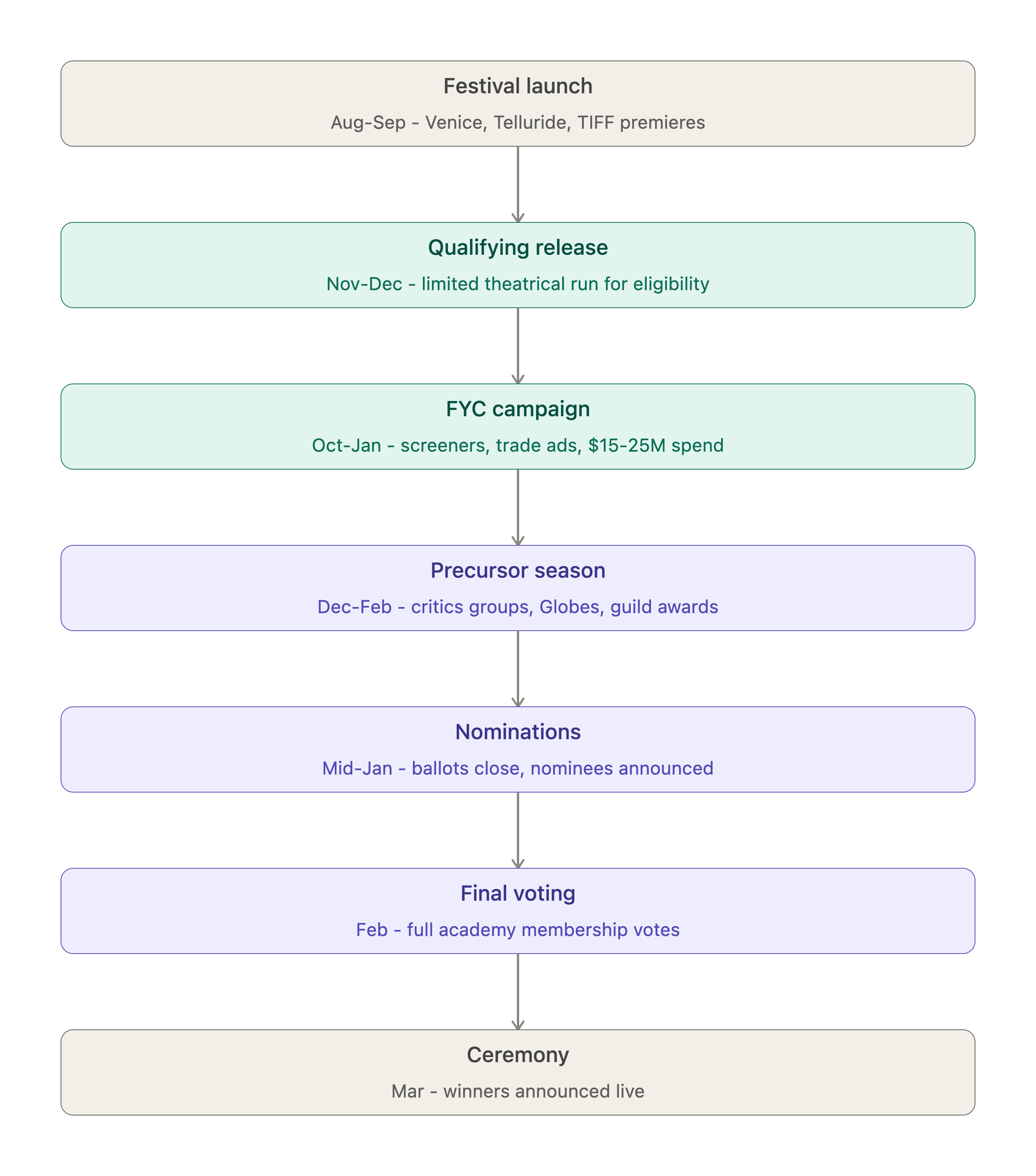
On top of the massive time investment, it’s obviously very expensive. Neon spent $18m campaigning for Anora’s Best Picture win, 3x the budget of the actual film, which included ads, Q&A screenings, as well as the all-important DVD screeners for those who couldn’t see it in theaters.
Celebrities fight over these trophies like a pack of rabid dogs over an Oscar Mayer wiener. Recent campaigns have yielded some true gems like this one:
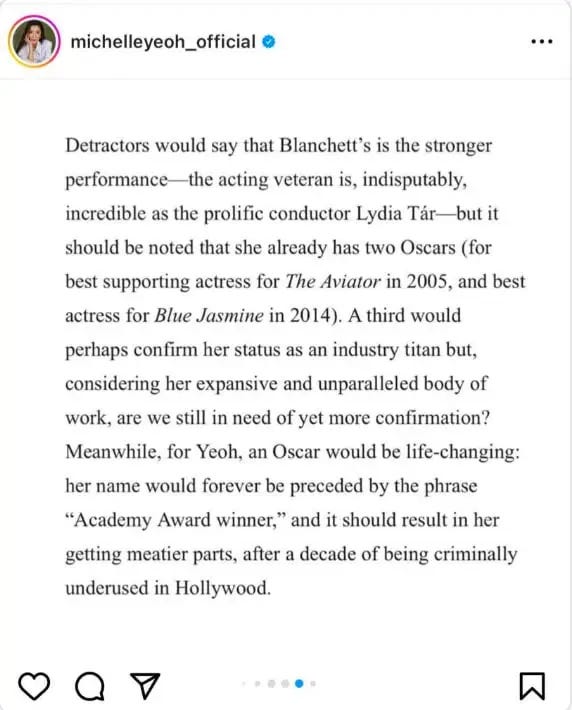
All this is to say that you need a metric fuckton of money, time and bloodlust to even campaign for an Oscar, let alone win. The Times again:
The Oscars race is split into Phases 1 and 2: before and after the nominations, which is akin to the divide between the presidential primaries and the general election. “Phase 2 is all about honing your narrative and defining yourself in the race.”
In a sense, the Oscars are the grand prix of publicists, and often have little to do with the actual films. The modern Oscar campaign, we must remember, was created by none other than Harvey Weinstein, who infamously beat Spielberg’s Saving Private Ryan with his no-holds-barred campaign for Shakespeare in Love.
Ava DuVernay, whose 2015 Selma “snub” was Reign’s catalyst to create #OscarsSoWhite, would prove integral to the changing Academy. DuVernay had a secret weapon for Oscar season: she was a trained publicist. From her Wikipedia page:
She opened her own public relations firm, The DuVernay Agency, also known as DVAPR, in 1999. Through DVAPR she provided marketing and PR services to the entertainment and lifestyle industry, working on campaigns for movies and television shows, such as Lumumba, Spy Kids, Shrek 2, The Terminal, Collateral, and Dreamgirls.
For DuVernay, whose Selma campaign was already hobbled by its rushed postproduction, Reign’s hashtag arrived at a fortuitous moment.
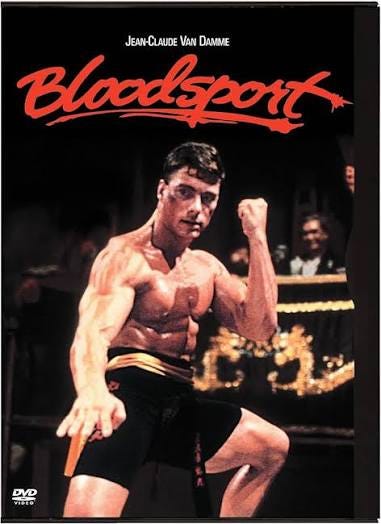
Because if Hollywood publicity was Blood Sport, DuVernay was its new Jean Claude Van Damme. As a publicist, she had helped guide Jennifer Hudson to her Oscar for Dreamgirls, perhaps she could do the same for her own film.
The Missed Screener Deadline that Sparked a Movement
With all that in mind, let’s take a look at the 2015 slate for performers of color: Gugu Mbatha-Raw had the critics' darling double (Belle, Beyond the Lights), but Relativity Media was sliding towards its first bankruptcy and spent nothing campaigning for her; Chadwick Boseman's James Brown was a summer (i.e. non-Oscar) release Universal never campaigned for; Top Five was a comedy, which rarely gets Oscar attention; Dear White People was also a comedy, and had a microdistributor incapable of funding an Oscar run.
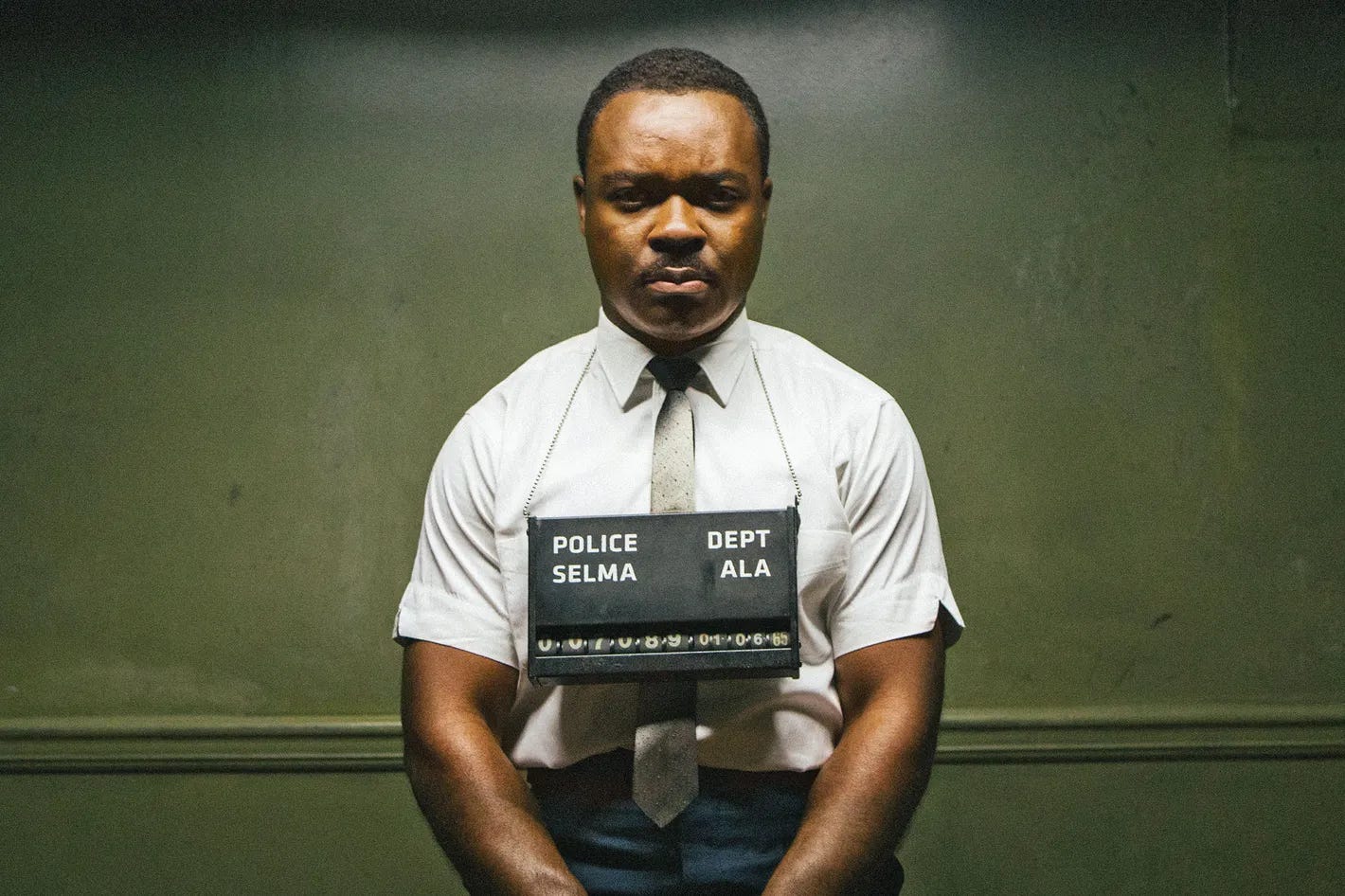
The problem wasn’t that voters ignored ten worthy Black actors, with solid campaigns behind them, it's that the studios only produced approximately two nominatable performances: Gugu Mbatha-Raw, who had no money behind her, and David Oyelowo, who did.
But one of them missed a crucial deadline.
The film that had the strongest potential for Oscar noms was Ava DuVernay’s Selma, which received an A+ Cinemascore from audiences. An MLK biopic was the perfect Oscar bait, and Paramount knew it, especially as the summer of unrest continued.
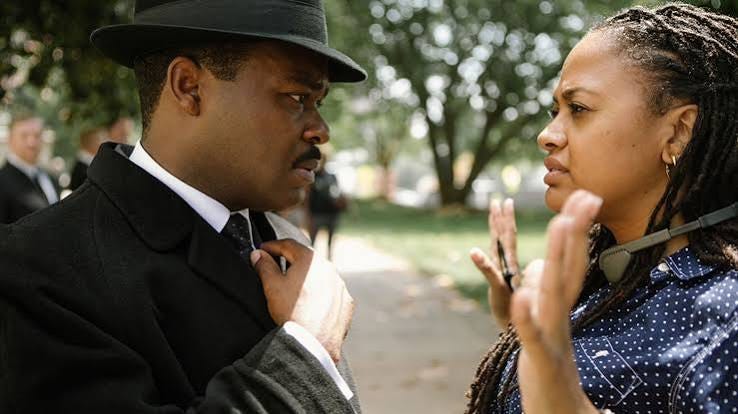
In a painful irony, Paramount moved up Selma’s release date from MLK day to Christmas because they felt the film had a real shot at Oscar glory, as DuVernay said herself. Via Flavorwire:
Director Ava DuVernay told me the film wasn’t initially intended for release this fall; Paramount proposed its Christmas date in mid-June, three weeks into shooting, after getting a look at the impressive dailies. In most circumstances, the window between a film’s shoot and its arrival in theaters is something like a year. But DuVernay met Paramount’s challenge, recognizing the urgency of getting a movie into theaters that is so very much of its moment, and rushed the picture through post-production. As a result, its initial guild and critics’ screenings didn’t even show the final, locked film.
According to Variety, DuVernay locked Selma on November 26th; it usually takes six weeks to master, press, and deliver discs for voters. Paramount, the film’s distributor, paid extra for expedited service, and had to pick and choose which organizations to send them to, as several deadlines had already passed by the time those screeners went out on December 18 (by which time many potential voters were presumably gone for the holidays).
The people who didn’t get screeners included the crucial SAG nominating committee. Selma was thus shut out of every SAG category, an essential pipeline to the Oscars. The Directors Guild also, without screeners, passed on nominating Selma.
Reign, through #OscarsSoWhite, blamed racism for Oyelowo’s lack of a nomination, but Scorsese’s Wolf of Wall Street was also shut out of the prior year’s SAG noms for not getting the screeners in time. American Sniper did get its screeners out, and Bradley Cooper took the fifth Actor slot, which may have gone to Oyelowo, if the voters had actually been able to see the film.
In the 21st century, about 80% of the Oscar nominees for director and actor also received their respective SAG and DGA nominations, and virtually all of the winners did, so losing that crucial step was devastating for Selma’s chances.
This is because SAG-AFTRA’s nominating committee and the DGA’s membership overlap substantially with the Academy’s actors and directors branches. The numbers bear this out: in the entire 21st century, only one film has produced a Best Director or Best Actor win without the corresponding DGA or SAG nomination—Roman Polanski’s The Pianist. Every other winner in both categories cleared the guild bar first.
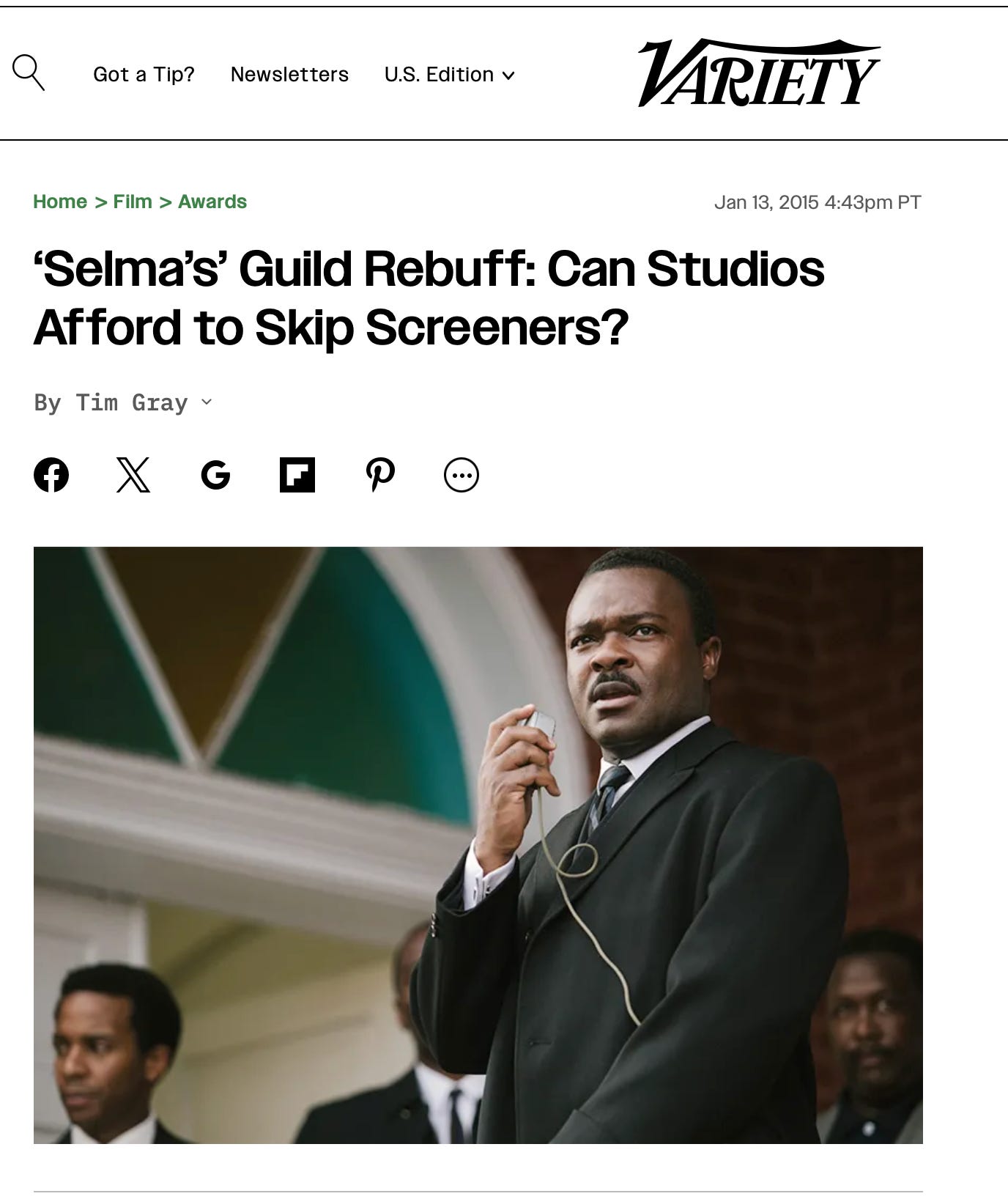
Even the BAFTAs didn’t get to see the film in time, which their head Amanda Berry addressed directly:
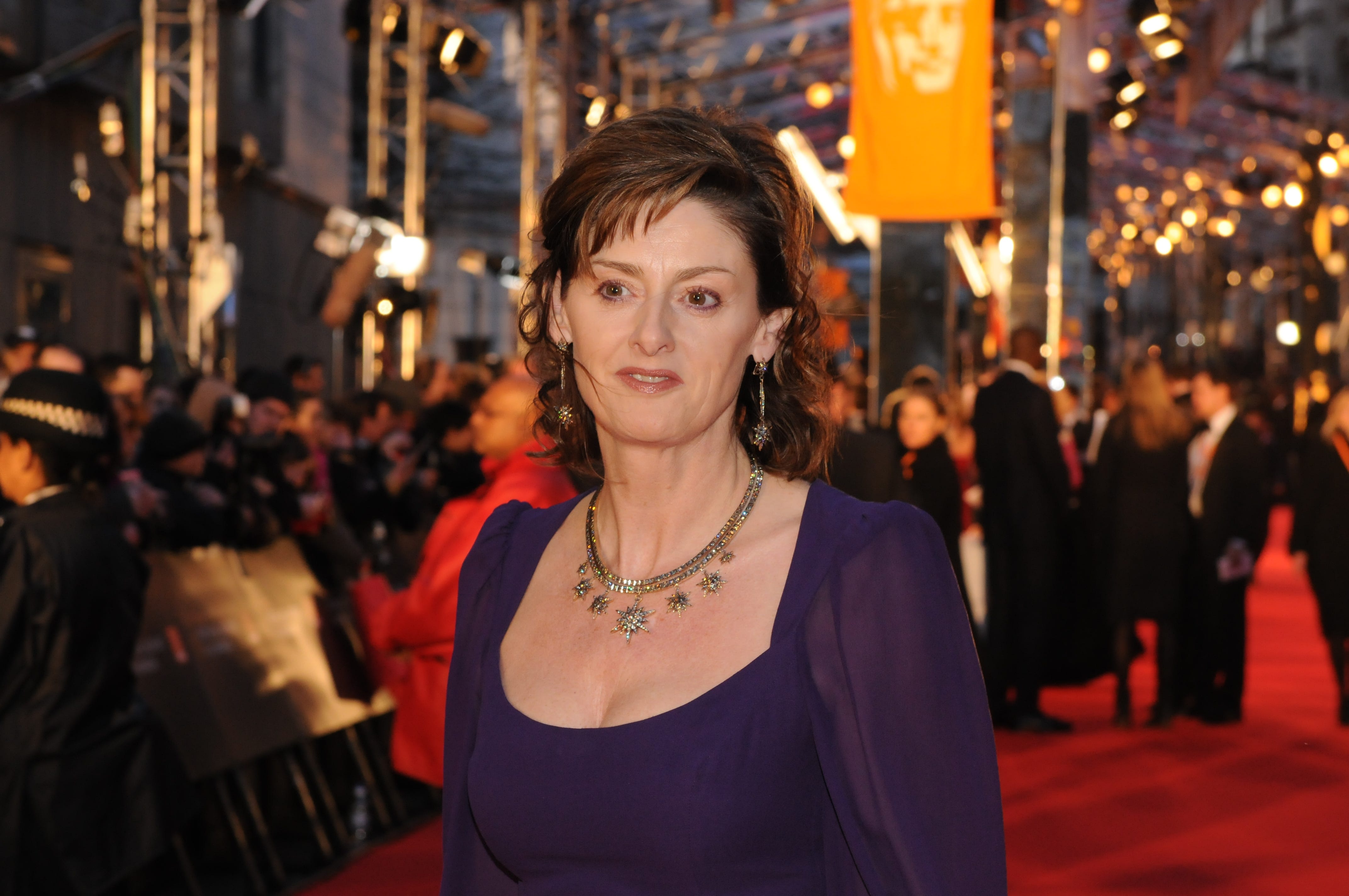
“I’m heartbroken about Selma because the reason it hasn’t got any nominations is because people didn’t see it. The film wasn’t delivered in the States until the end of November, then a print has to be shipped over to the UK and then screenings organised... before the BAFTA voting started there were only three screenings of the film and only hundreds of people were reached - there are 6,500 voting members.”
In the end, Alejandro González Iñárritu won the DGA award for Birdman, and Eddie Redmayne won the SAG award for The Theory of Everything. Both won their eventual Oscar.
In later interviews, including the New York Times’s oral history of #OscarsSoWhite, DuVernay has foregrounded racial bias rather than the campaign’s timing. She may well believe it — a Black director watching a white-dominated industry pass over her film had every reason to suspect bias was in the mix. But the timing problem is the part that keeps dropping out of the retelling, and it’s the part that actually explains which bodies shut Selma out: the exact guilds that never got the discs.
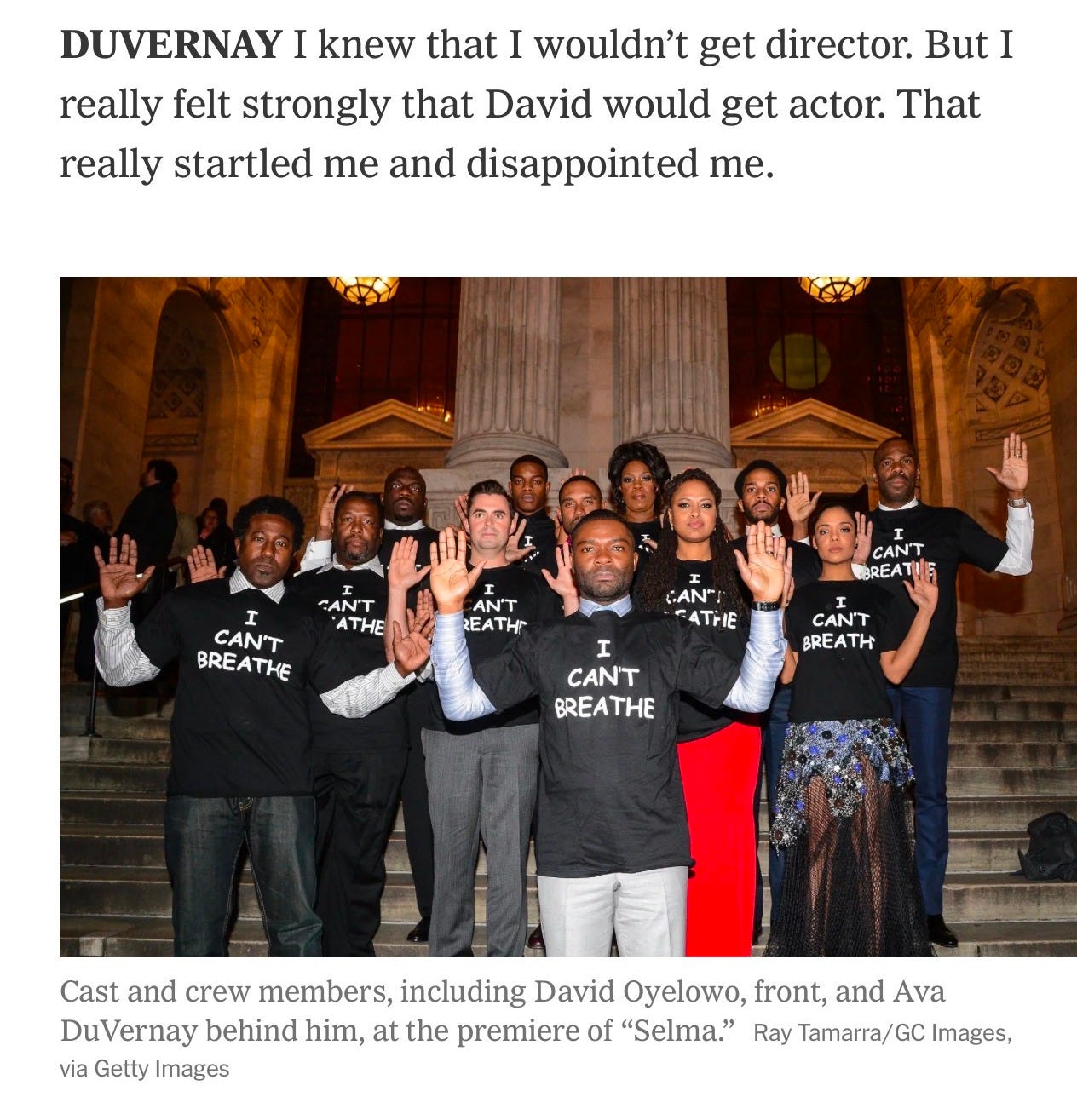
In Elite Capture, philosopher Olúfẹ́mi O. Táíwò describes how “political projects can be hijacked by the well positioned and well resourced.” The Selma premiere protest was real — Ferguson was ongoing, Eric Garner had been killed seven months earlier in July, and police violence was the film’s subject.
But look at it more carefully: the cast and crew of a $20m movie, at their own New York premiere, hands raised in the “Hands Up, Don’t Shoot” pose — a prepared, posed photograph, in matching t-shirts, while launching an Oscar campaign. A protest and a photo op, all in one. Masterful.
Years later, Oyelowo claimed — and DuVernay endorsed — that the snub was retaliation for the protest, again with no mention of the screener timing.
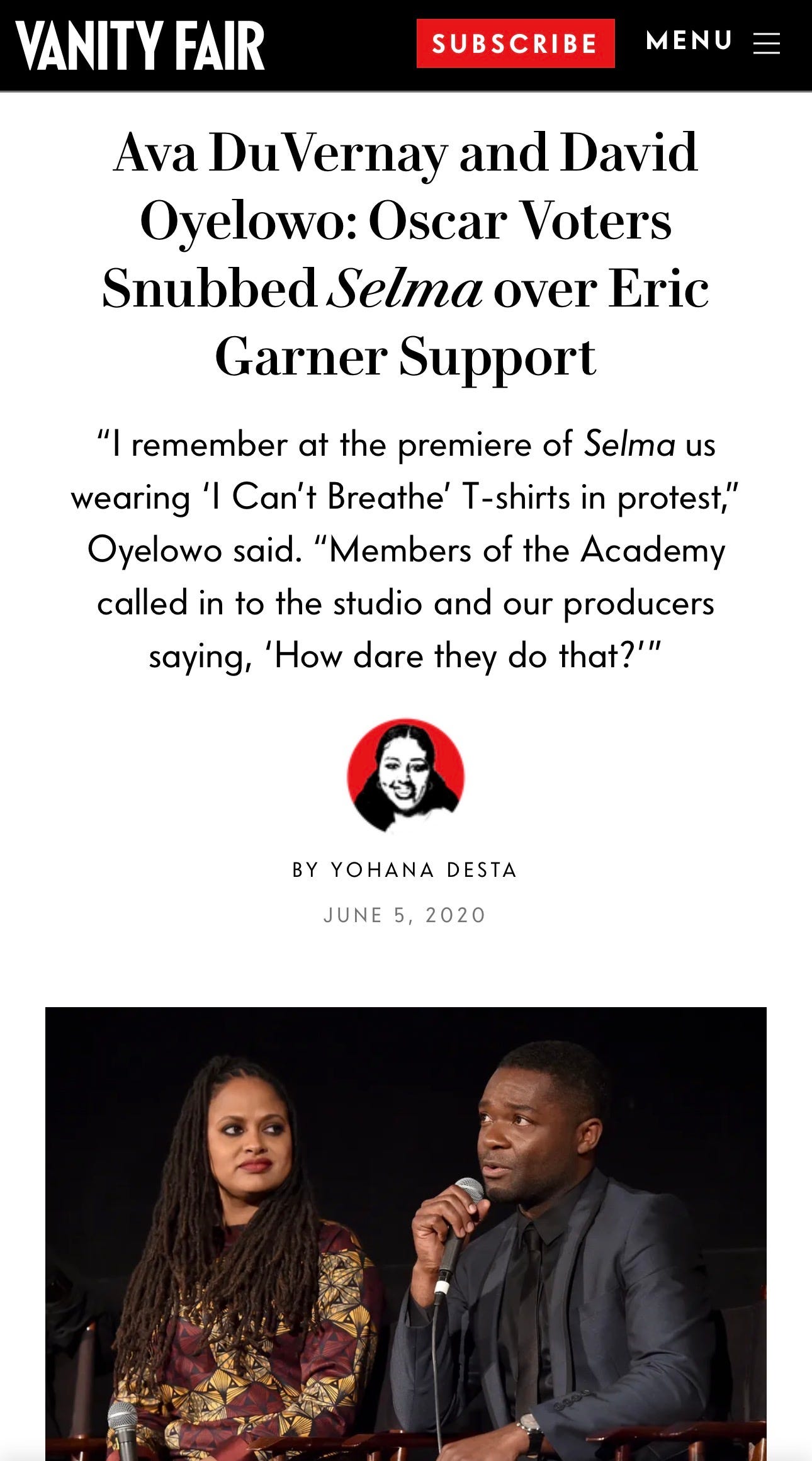
“It’s part of why that film didn’t get everything that people think it should’ve got and it birthed #OscarsSoWhite,” continued Oyelowo. “They used their privilege to deny a film on the basis of what they valued in the world.” via Screen Daily.
The Academy even apologized:
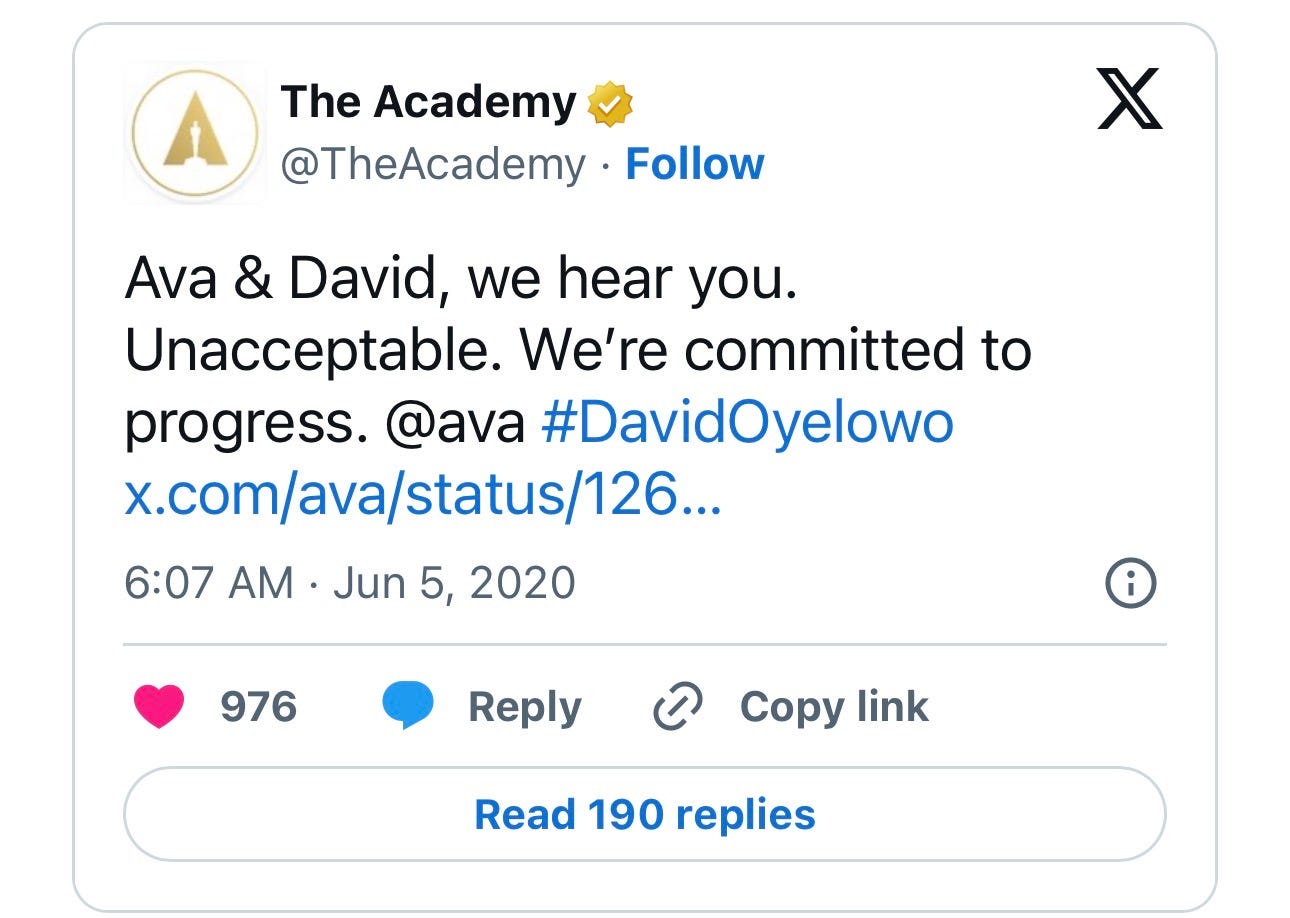
But let’s look at it all again: the Oscar voters who were able to see Selma in time — including the Hollywood Foreign Press, who attended its AFI premiere — nominated it: Best Drama, Best Actor for Oyelowo, and a Best Director nod that made DuVernay the first Black woman director ever nominated at the Golden Globes. The only group Paramount did manage to get screeners to in time was the Academy, which in turn nominated the film for Best Picture and Best Song. Why would all almost all-white Academy nominate Selma for Best Picture if a substantial bloc of voters wanted to punish the film for the protest?
Best Picture is the only category the entire Academy nominates — and in 2015 that electorate was roughly 6,300 people, 89% of them white. It made Selma one of just eight Best Picture nominees of the year. Under the preferential ballot, that nomination required clearing a threshold of about 10% of first-place votes — several hundred of those overwhelmingly white voters ranking Selma among the very best films they’d seen.
The voting record does not look like a coordinated punishment for the protest. It looks like an awards campaign that succeeded with voters who saw the film in time and failed with those who didn’t.
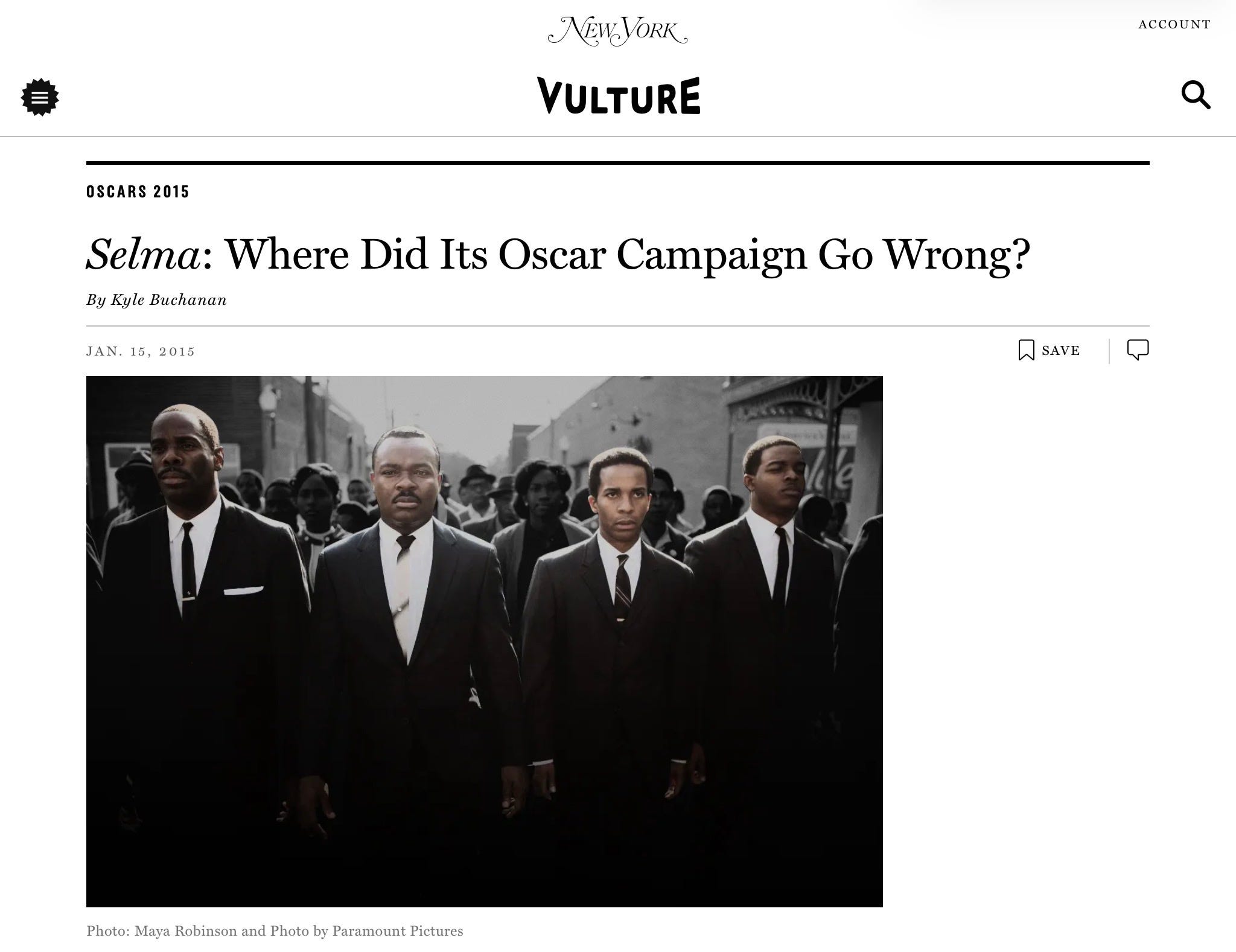
The movement that remade the Academy may thus have been set in motion by something far more mundane than #OscarsSoWhite suggested: a missed screener deadline.
The 2015 Oscars Ceremony
The host of the 2015 ceremony, Neil Patrick Harris, acknowledged the controversy immediately, opening his speech with a memorable quip:
“Welcome to the 87th Oscars. Tonight, we honor Hollywood’s best and whitest -- sorry, brightest.”
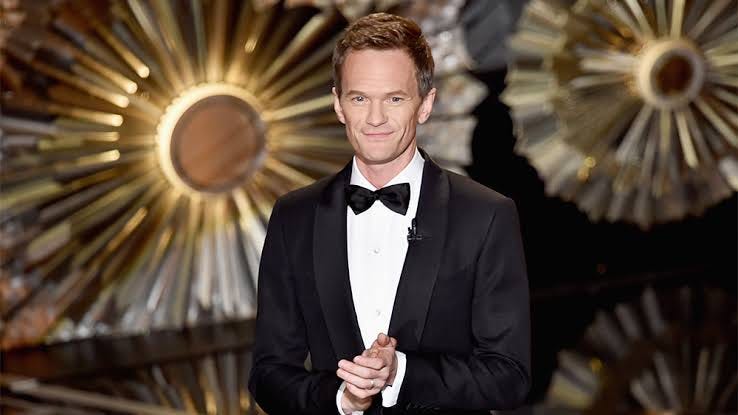
The "best and whitest" Oscars gave Best Picture and Best Director to Alejandro González Iñárritu, in the middle of an unprecedented Mexican three-peat — Cuarón, then Iñárritu twice in directing, while Emmanuel Lubezki won three consecutive cinematography Oscars. These were all Mexican-born filmmakers behind the camera.
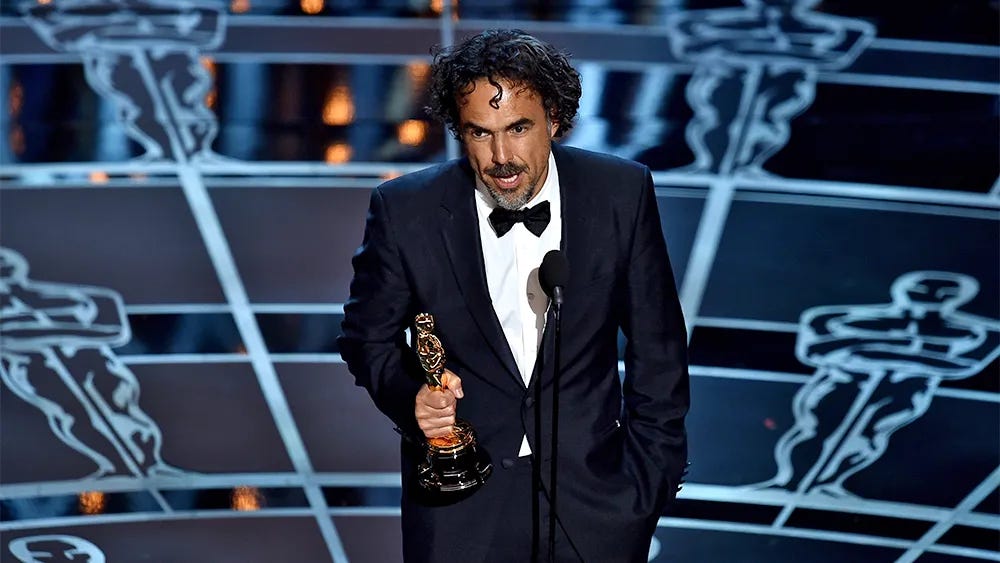
#OscarsSoWhite quietly defined "diversity" as Black American acting nominations, which erased both the Latino men sweeping the top of the show and the group with the worse statistical grievance. As UCLA’s 2015 Hollywood Diversity Study showed:
Representing nearly 18 percent of the U.S. population in 2014, Latinos were the most underrepresented among the minority groups, by a factor of more than 3 to 1.
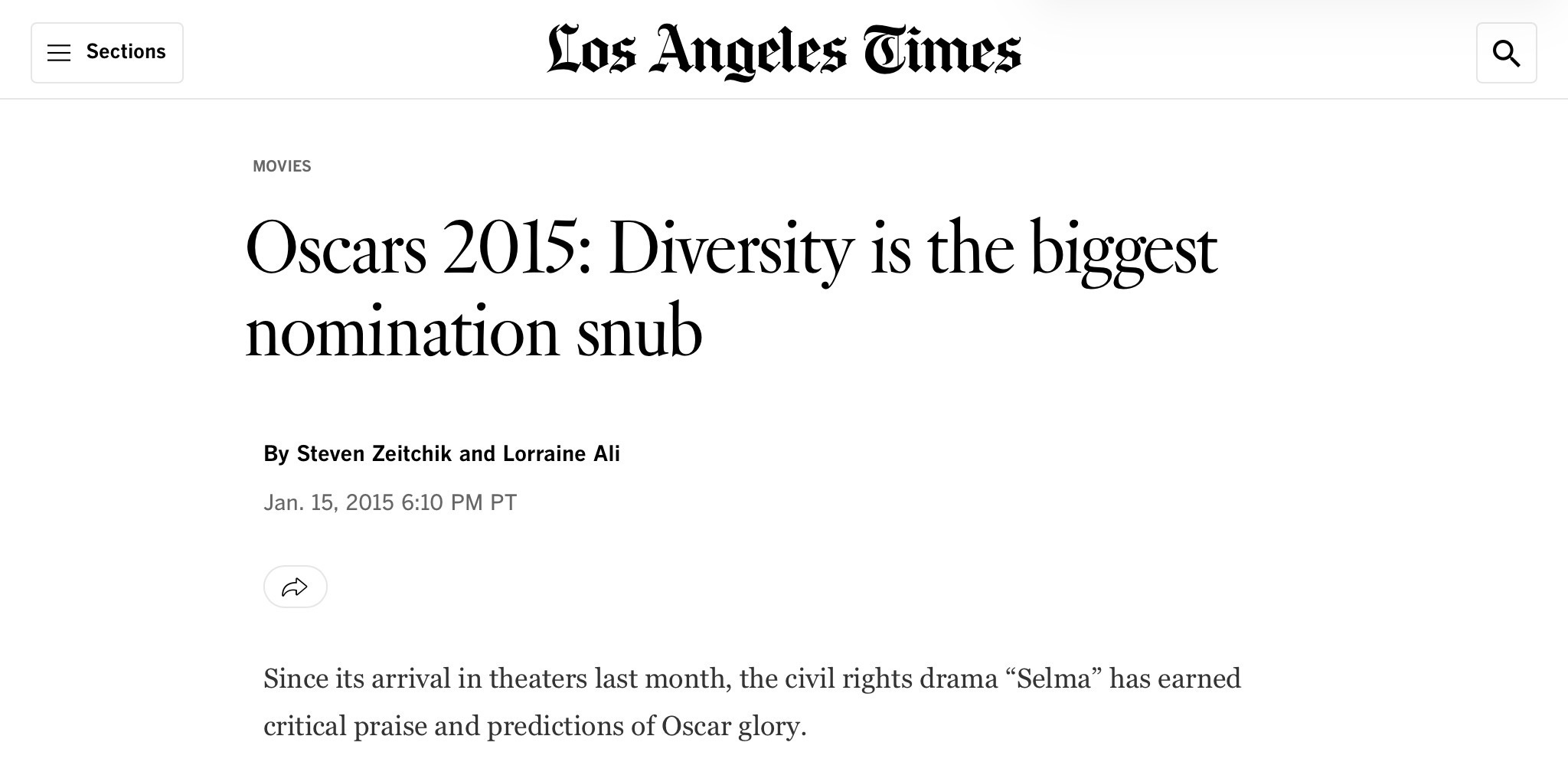
So yes, the Oscars were “so white” in 2015, but only if you discount Selma’s tragically flawed campaign, and ignore the historic Latino filmmaker wins.
From #OscarsSoWhite To A2020
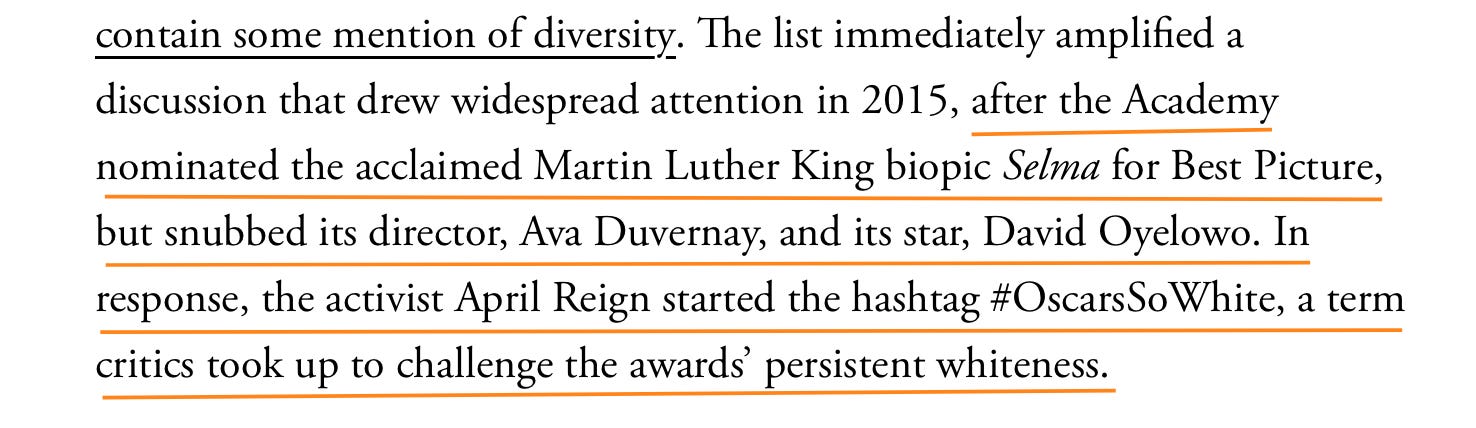
Reign had survived her career transition and found a new calling. For the 2015 Oscars, she organized a watching boycott, specifically calling out Selma in Forbes:
The near shutout of “Selma” star David Oyelowo and director Ava DuVernay in the acting and directing categories was not surprising, but frustrating to Reign… “Ava and David also should be recognized for their outstanding contributions.”
Reign’s campaign soon reached the ears of Cheryl Boone Isaacs, the first Black female president of the Academy. At the 2015 Governors Awards in November, still smarting from #OscarsSoWhite, Boone Isaacs launched a new Academy initiative called A2020, which focused on improving diversity. As part of these efforts, they invited a record 683 members to the 2016 academy, including Nate Parker.
With #OscarsSoWhite at her back, she would soon transform the Academy forever.
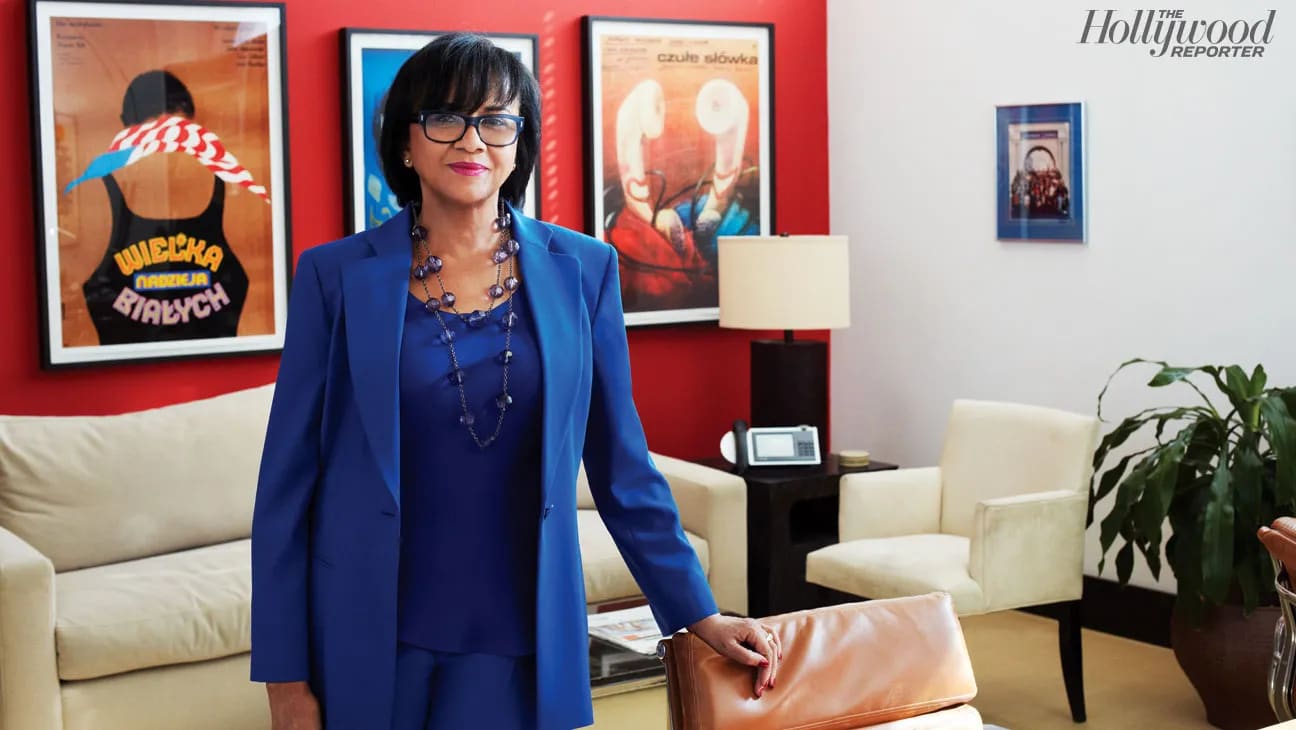
Michael Schulman’s Oscar Wars tells the story of how Boone Isaacs worked her way up through publicity, becoming the first Black woman to run a studio marketing department in 1997. Before coming to Hollywood, she had been a flight attendant for Pan Am, traveling the world and expanding on her fascination with what she called “the international concept.” When she was a stewardess, she said “I had my favorite route, which was to Tokyo, to Hong Kong, to Sydney, to either Fiji or Tahiti, to Hawaii, then home.”
Her love for globehopping was to prove fateful.
Jenkins and Parker Move into Production
Slowly but surely, serendipity continued to favor Jenkins. Two years after joining the project, Plan B connected him to upstart indie distributor A24, who came on board to finance Moonlight.
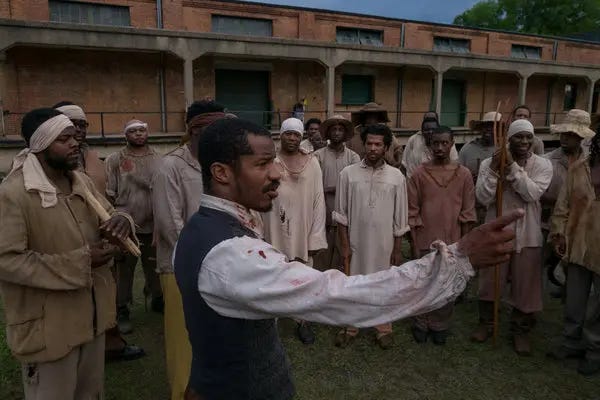
Parker shot first, over 27 days, in May of 2015 in Georgia. His cast and crew struggled with the bleak subject matter, but Parker, drawing on his experience as a wrestling coach, was a fearless leader.
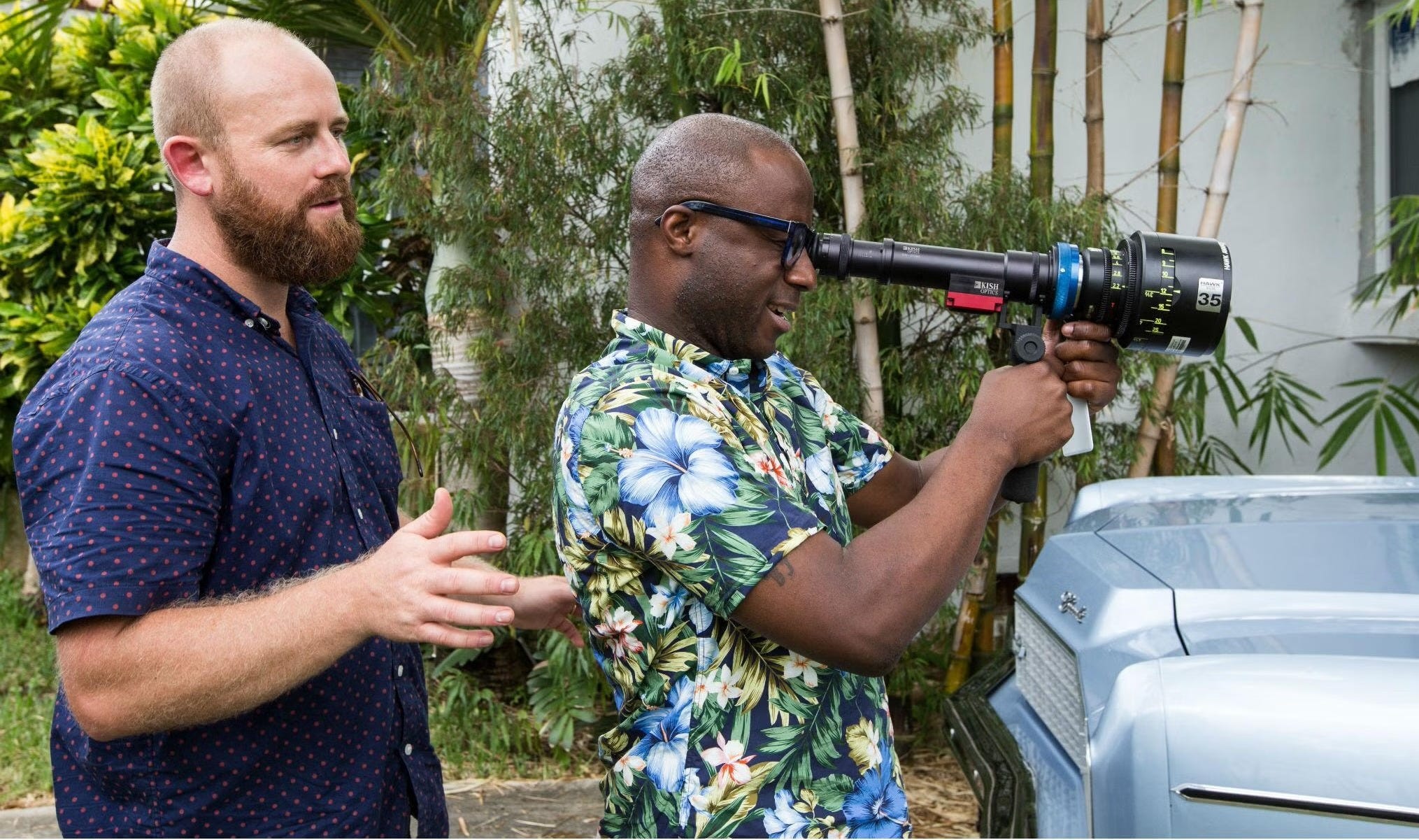
Jenkins shot next, for 25 days starting on October 15th in Miami. With such a late start, Moonlight would not be ready for Sundance, but Parker was.
And boy, would Sundance be ready for him, because in between there was the…
#OscarsSoWhite: 2016 Edition
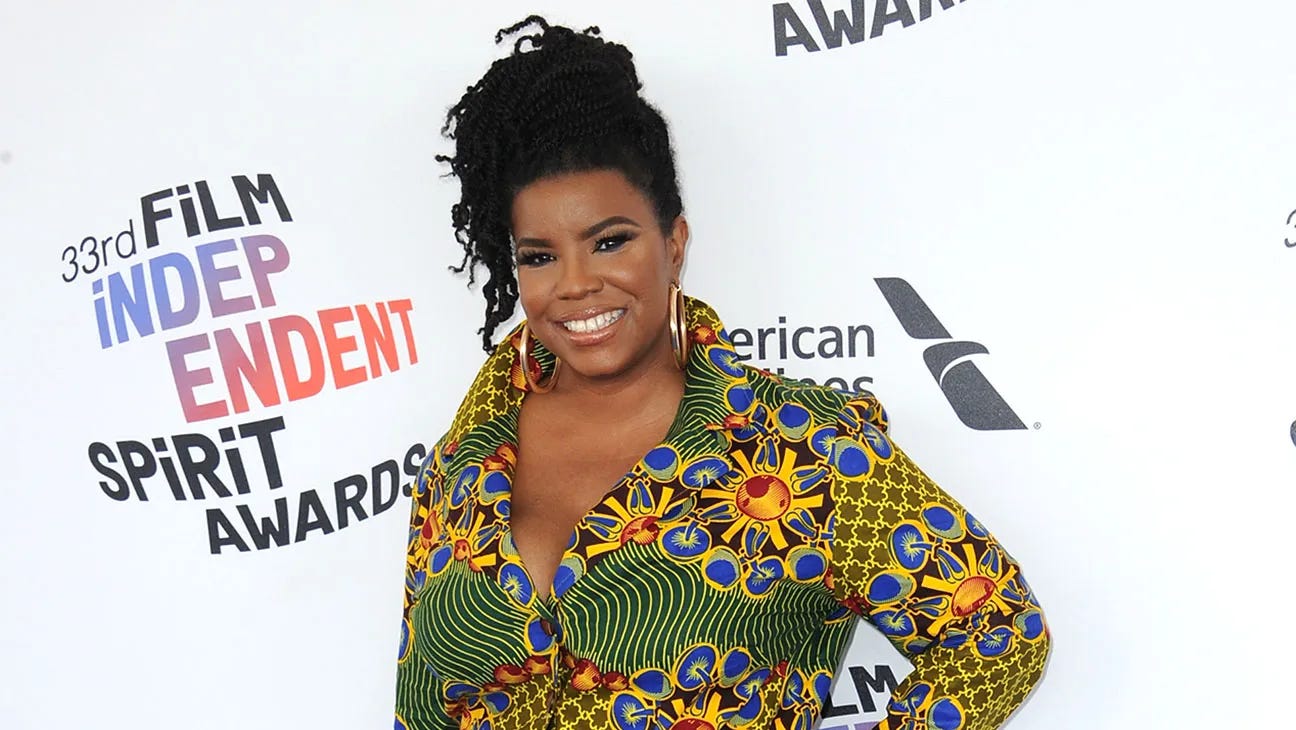
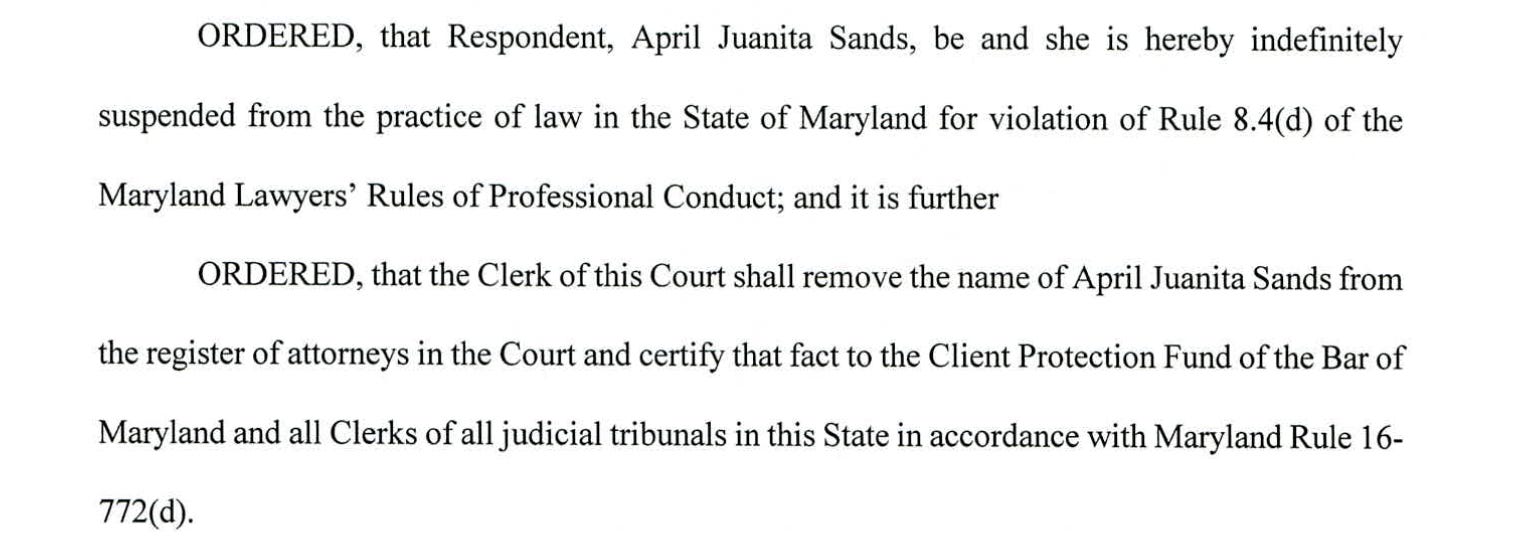
As the 2016 nominations drew near, Reign was having new problems. A year and a half after her two-year bar from federal work, she was suspended indefinitely from the practice of law:

Her name was also struck from Maryland’s register of attorneys.
Under her new name, Reign poured herself into her activism. She was in luck: if the 2015 Oscars was a misfire, the 2016 nominations started to look like a conspiracy.
On January 14, 2016, all twenty acting slots again went to white performers. This time the resurrected #OscarsSoWhite hashtag went nuclear.
Under the intense scrutiny of #OscarsSoWhite, it was easy for every possible snub to look like it came straight out of a KKK rally. But as we saw with Selma and Birdman, the Oscars have a clear feeder system: the SAG, DGA, Golden Globe, and BAFTA nominations, among others.
If we’re going to call something a snub, it’s worth checking against that large voting consensus, which directly influences the Oscar noms.
So which performer of color did the guilds anoint, only to see the Academy refuse?
There is only one real name on this list: Idris Elba. Elba’s warlord in Beasts of No Nation swept the feeder system — SAG nomination, Golden Globe nomination, BAFTA nomination — and two weeks after his Oscar snub, he won the SAG award and an Indie Spirit Award.
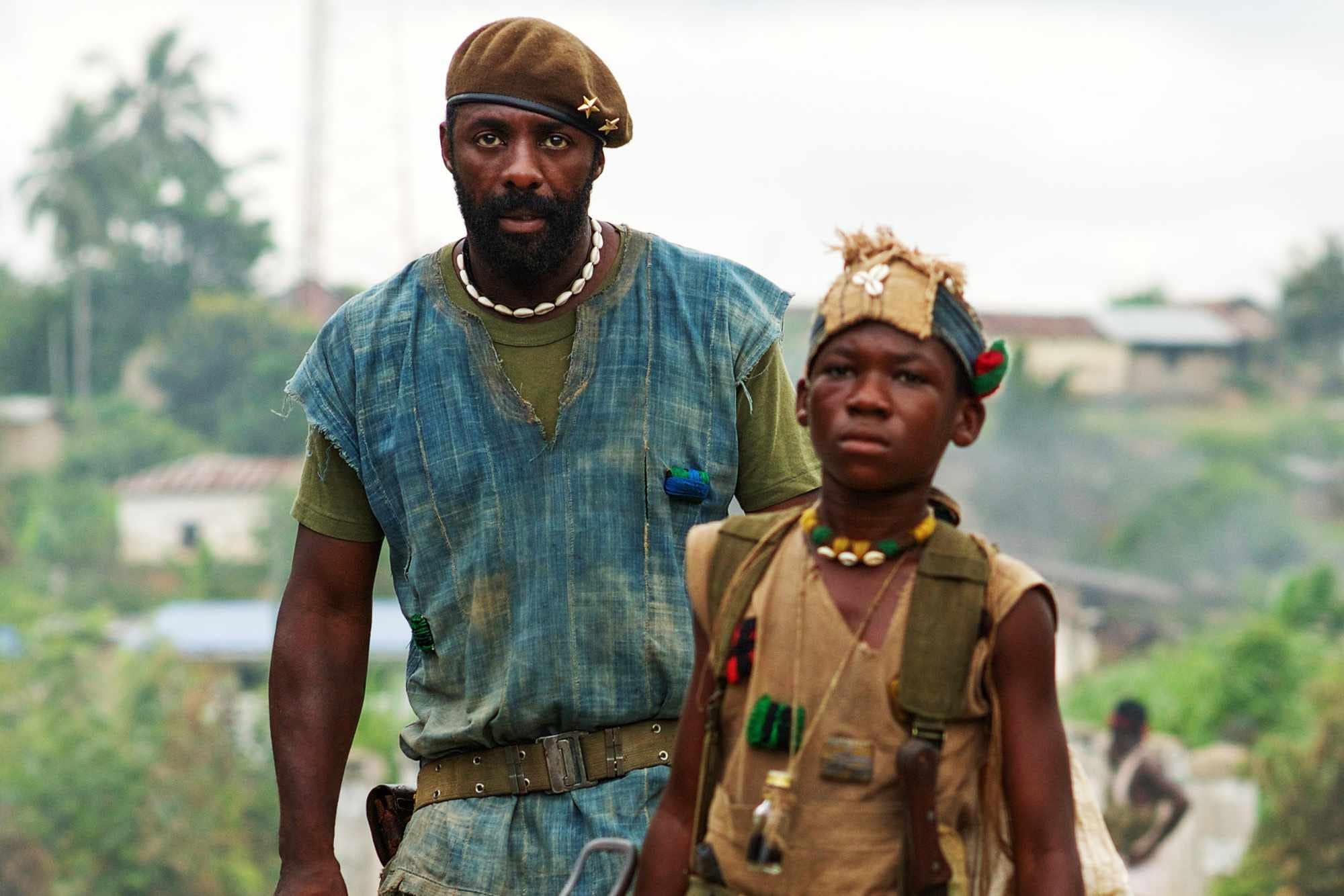
But, as always, there was an extenuating circumstance; Beasts of No Nation was Netflix’s first original feature film, acquired out of Toronto and released in October 2015 simultaneously in theaters and on streaming. In response, every major theater chain boycotted it. AMC, Regal, Cinemark, Carmike: all refused to book a film that dared violate their sacred ninety-day theatrical window. Beasts thus played a few dozen independent screens and grossed almost nothing theatrically.
While it was viewed over 3 million times in its first week on Netflix, it was largely viewed as a prestige grab for the nascent streamer. Unfortunately, Netflix’s Oscar beachhead also featured the most nominatable Black performance of the year, in what became the most important year for diversity in the Academy’s history.
2016 was the opening salvo of the late 2010s streaming wars. Cannes banned Netflix from competition in 2018; Spielberg would soon argue Netflix films belonged at the Emmys. Beasts didn’t have a late screener problem like Selma; this time the screeners simply went out on a sea of controversy. To many voters at the time, it felt like a vote for Beasts, and thus Netflix, was a vote against movie theaters.
The film’s grim narrative didn’t help either: it included the massacre of the protagonist’s family, the protagonist committing machete atrocities, and a strong implication that he, a child, was sexually abused by Elba’s character. Great storytelling, but quite grim for Oscar fare.
As always, there are counterfactuals: Forest Whitaker did win an Oscar for portraying Ugandan dictator Idi Amin in 2006’s The Last King of Scotland. Was the Academy not just as white, if not more, back then?
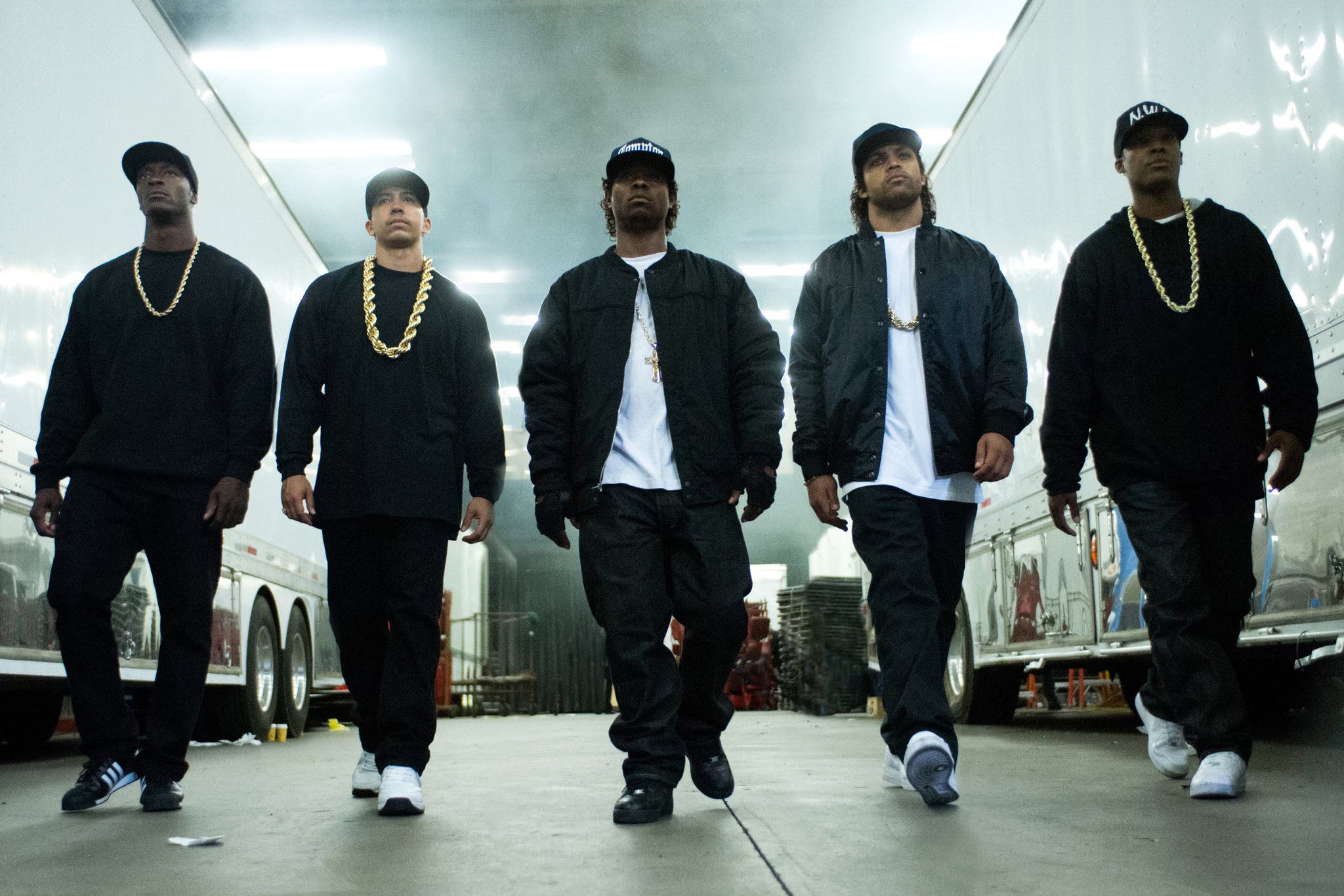
And what about Straight Outta Compton? The N.W.A biopic was the year’s other centerpiece grievance — a cultural phenomenon whose only nomination, in an unbearable irony, went to its screenplay, credited to four white writers.
But no individual Compton performance was nominated by anyone, anywhere, all season. The cast received a SAG ensemble nomination, but the film’s problem wasn’t racial: it was an ensemble of unknowns with no campaignable lead, with a summer release, in a genre the Academy has never respected. And we know it’s the genre, because 8 Mile — acclaimed, enormous, and white — got exactly one Oscar: Best Original Song, and nothing for its cast. The Academy treated the white rap movie and the Black rap movie identically: zero acting nominations. And 8 Mile had clear leads.
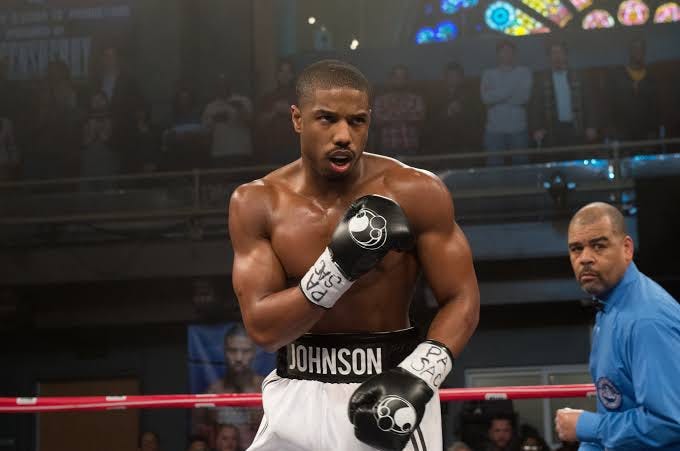
Creed is the weakest snub case. Michael B. Jordan received no SAG, Globe, or BAFTA nomination for the role. Sylvester Stallone was the film’s only contender all season and won the Golden Globe. The grievance was really about optics — the white legacy actor as the sole honored element of a Black director’s film about a Black boxer — and they were genuinely uncomfortable. But a Rocky sequel/reboot, the seventh in its line, receiving exactly one nomination, for Rocky himself, is the single most predictable outcome in the Academy’s repertoire.
None of this is to say that Hollywood doesn’t have a serious pipeline problem. I’ve written extensively about this here and here.
But measuring social justice by the Oscar winners is a bit like judging the education system by who becomes a Rhodes Scholar. The real sorting happened years earlier, basically from birth. The struggle itself mostly benefits elites, who as we’ve seen, will crawl over dead bodies for any possible advantage come Oscar season.
And in classic Hollywood fashion, 2016’s activism was also conveniently self-serving. This time, Reign’s campaign was adopted by a fresh group of snubbed celebrities.
The 2016 Boycott
At the Academy’s Oscar luncheon that February, Boone Isaacs faced a room that included Eddie Redmayne, Matt Damon, and Alicia Vikander. Over plates of arctic char, she told them: “This year, we all know there’s an elephant in the room. I have asked the elephant to leave.”
The elephant refused. Chris Rock, host of the 2016 Oscars, came out swinging.
“Welcome to the Academy Awards, otherwise known as the White People’s Choice Awards.”
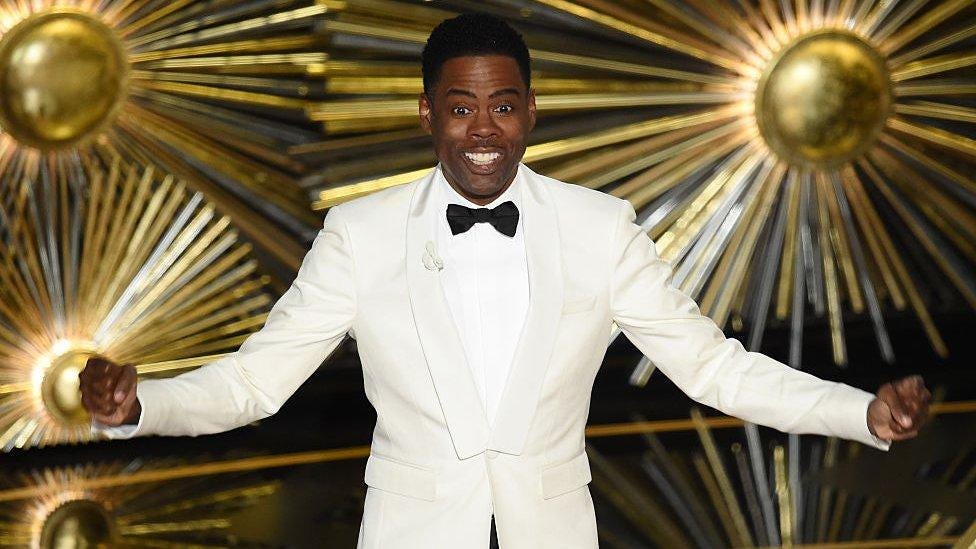
By this point a full-on celebrity boycott was underway, with Reign right behind them.
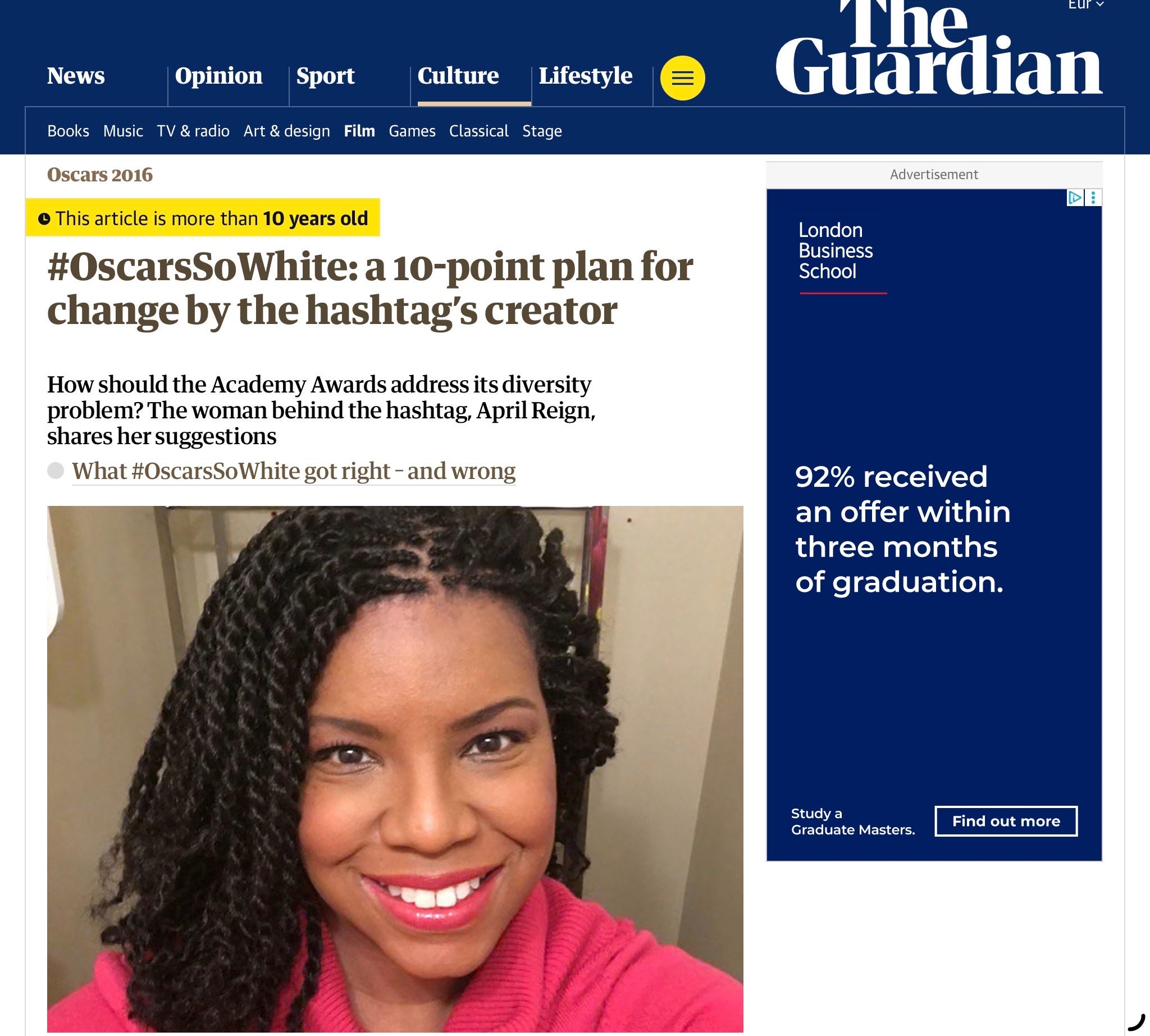
With the resurrection of #OscarsSoWhite, Reign found her true moment in the sun, taking part in a media blitz that dwarfed the attention she received in 2015. She took full advantage to make some unique recommendations:
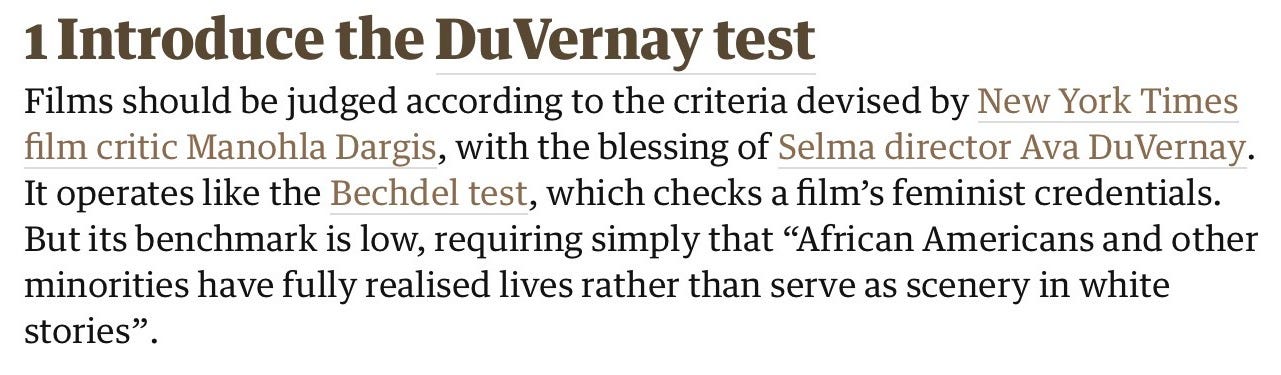
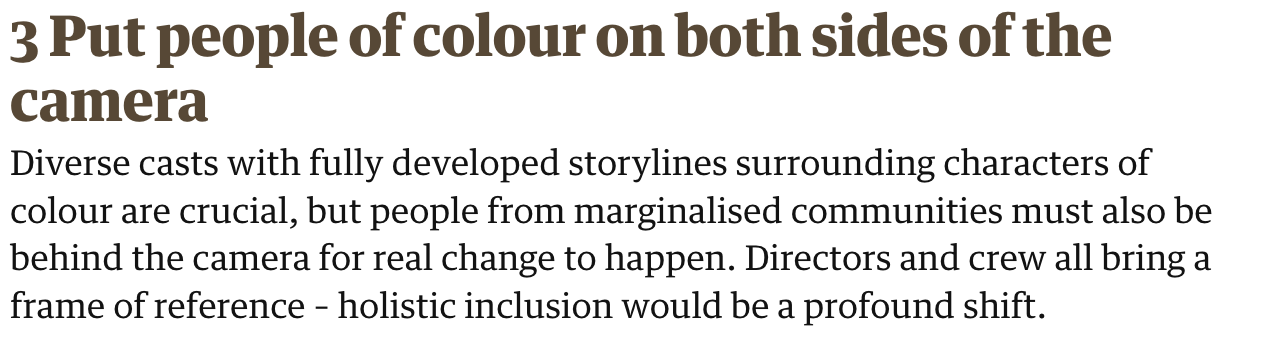
Reign and Hollywood also had a new #idea: anti-whiteout protests.
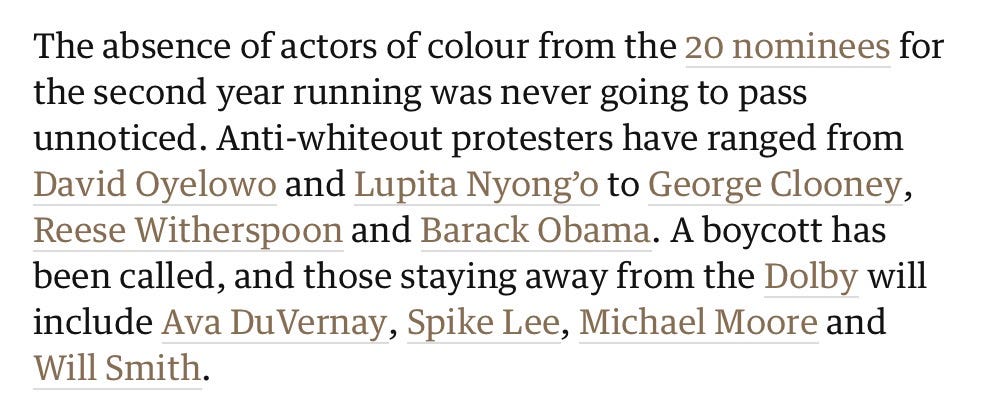
DuVernay and Oyelowo have been spoken of extensively, but Will and Jada Pinkett Smith also served their interests through the boycott. Will Smith’s Concussion was a critically rotten December drama that garnered only a Globe nomination (your author actually enjoyed it). But Smith’s “snub” became the protest’s public face because the boycott was launched by his wife, Jada Pinkett Smith.
Chris Rock said as much onstage:
“Jada boycotting the Oscars is like me boycotting Rihanna’s panties. I wasn’t invited!”
Of course, once again, nobody actually cared about the Latino snubs or victories. Benicio Del Toro had a BAFTA supporting nomination for Sicario and was ignored. Iñárritu won Best Director for the second consecutive year, and Emmanuel Lubezki won his third straight cinematography Oscar with little fanfare.
The protest’s definition of “diversity” remained the most self-serving one you could find: Black American acting nominations. This is in keeping with the amorphous BIPOC term; when push comes to shove, BIPOC or “people of color” invariably means the thing that advances me, my group.
Of course, saner voices occasionally emerged.
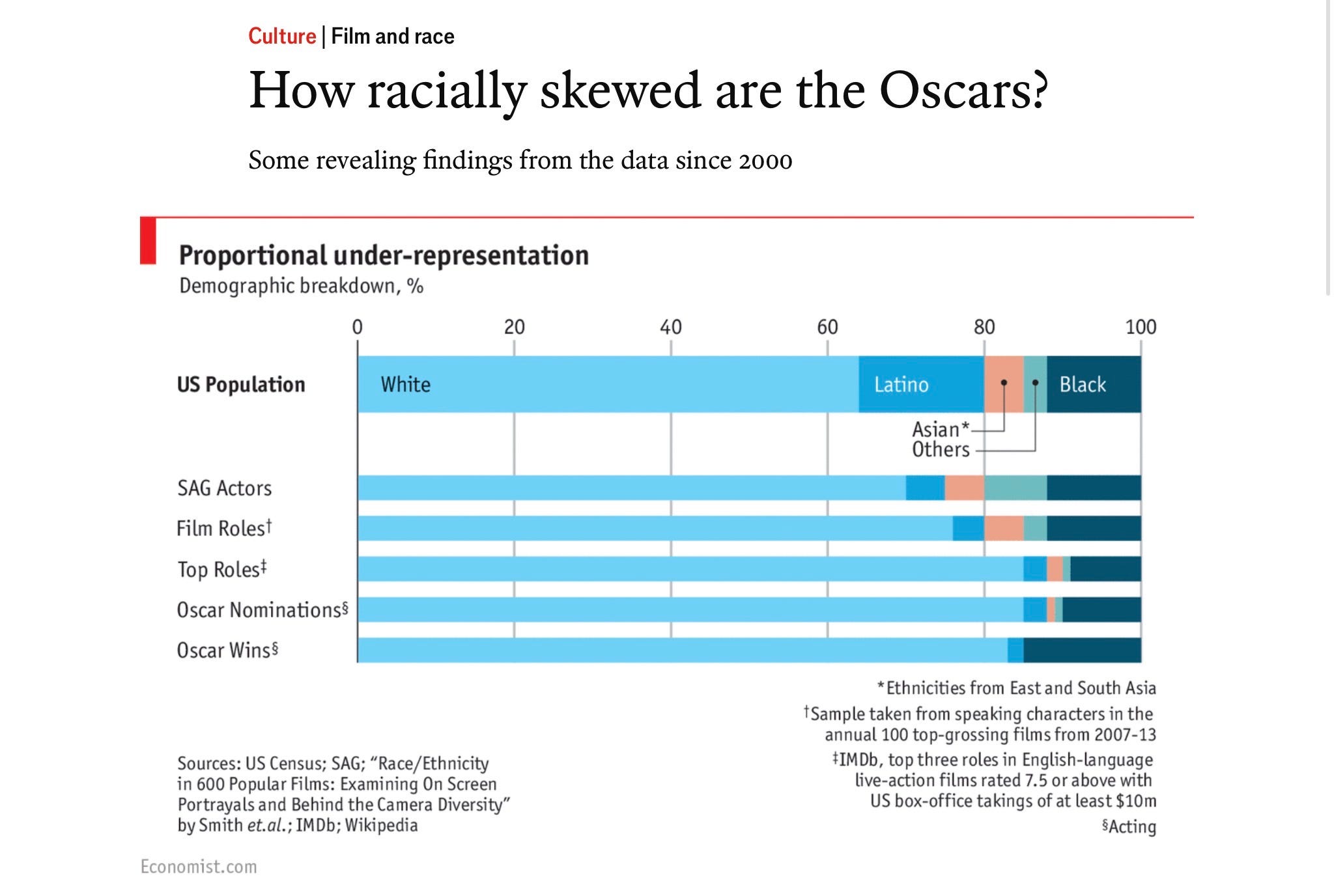
In January 2016, The Economist crunched the numbers and found that since 2000, Black actors had received 10% of all acting nominations and taken home 15% of the wins, against a 12.6% share of the US population.
They were by far the most nominated minority group, in spite of being smaller than Latinos, and once nominated, they were significantly more likely to win.
If the Academy voters’ antiblack bias was the problem, the data didn’t show it.
A Brief Statistical Detour
Before we continue, it’s worth asking whether the basic statistical premise of #OscarsSoWhite held up through a simple question:
How often should an all-white acting slate have happened back then by chance alone? The math isn’t complicated. There are twenty acting slots per year. With minimal representation of Latinos and Asians, if each goes to a Black performer at the rate The Economist measured — 10% of all nominations since 2000 — then the odds of an all-white year are about 12%, or roughly once a decade.
Use Black actors’ share of leading roles instead — 9%, and it rises to about 15%, or once every seven years or so. The 21st century record obliges: all-white slates in 2015 and 2016 — two in two decades — are consistent with a random, lumpy process, not a conspiracy.
Remove just one nominatable Black film — say, by missing a screener deadline — and the whole year’s representation can vanish with it. Reign read the 2015 slate as a verdict on the voters who, it must be said again, were overwhelmingly white. It was closer to statistical noise.
The bias reading requires the voters to be the problem. But look at what brackets these two years. 2014 was a historic Black showing — 12 Years a Slave, Steve McQueen, Lupita Nyong’o, John Ridley. 2017 was the most diverse year in the Academy’s history — six Black acting nominees, a presence in every category, Moonlight taking Best Picture. The two all-white slates sit wedged between the two best Black years the Oscars had ever produced, delivered by the same electorate. Of course, one could argue the 2017 nominations were themselves influenced by the activism — but the films were still there to be nominated.
A persistent antiblack bias cannot switch on in 2015, deepen in 2016, and switch off in 2017. What changed wasn’t the voters; it was the films.
And what a profoundly unfortunate roll of the dice for an all-white slate to happen in two consecutive years, transforming the Academy forever.
Never Again #OscarsSoWhite: The Academy Responds
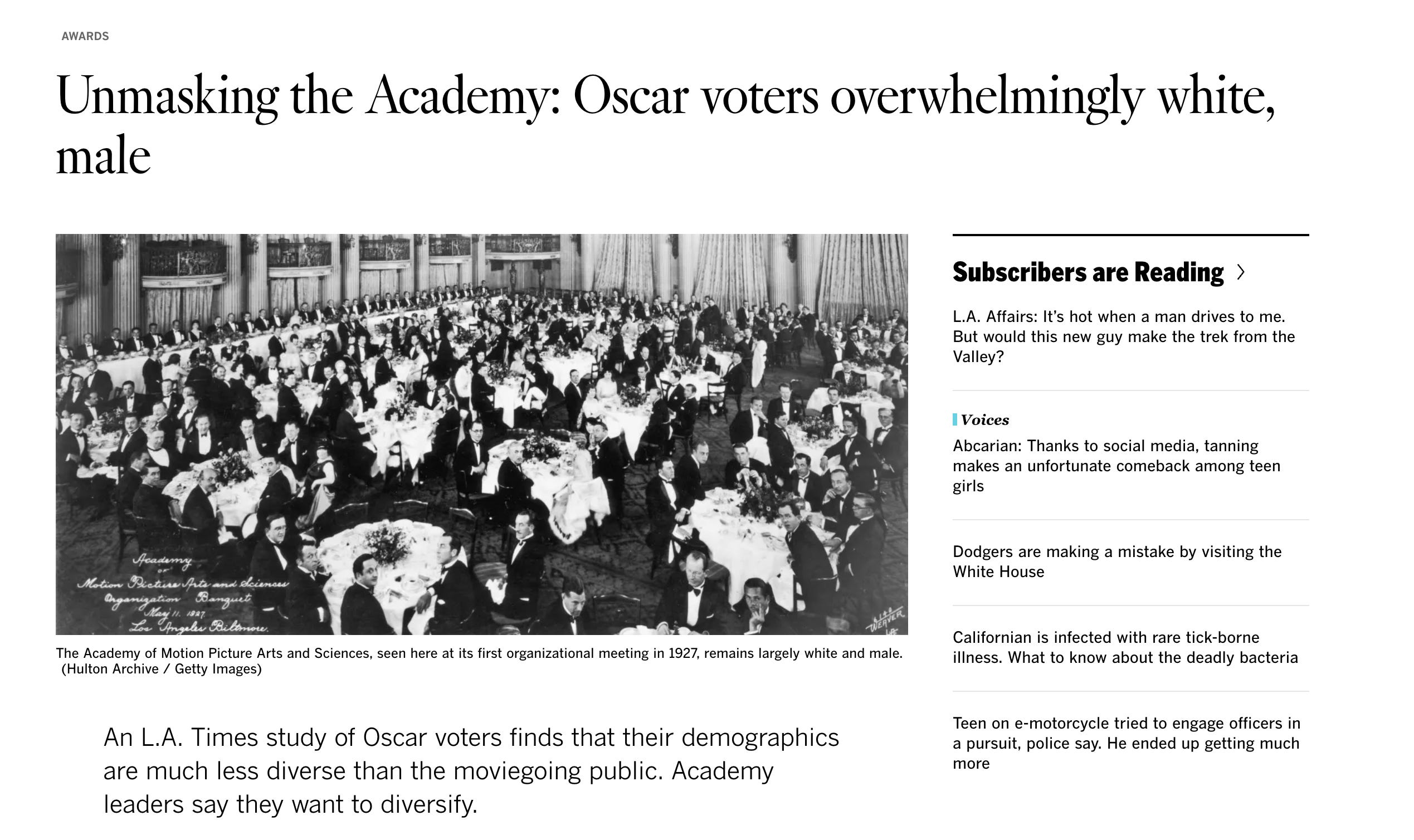
The backlash to the 2016 Oscars was swift. While the Academy was still largely white and male, (89% and 73% respectively), it had already made significant progress since 2012, when an LA Times study showed that it was 94% white and 77% male.
But this gradual, somewhat organic progress was not enough.
At an emergency meeting a week [after the 2016 nominations], [Dawn] Hudson, Boone Isaacs and the Academy’s board of governors approved ambitious targets for a membership initiative known as A2020, aiming to double the number of women and ethnically underrepresented members in four years.
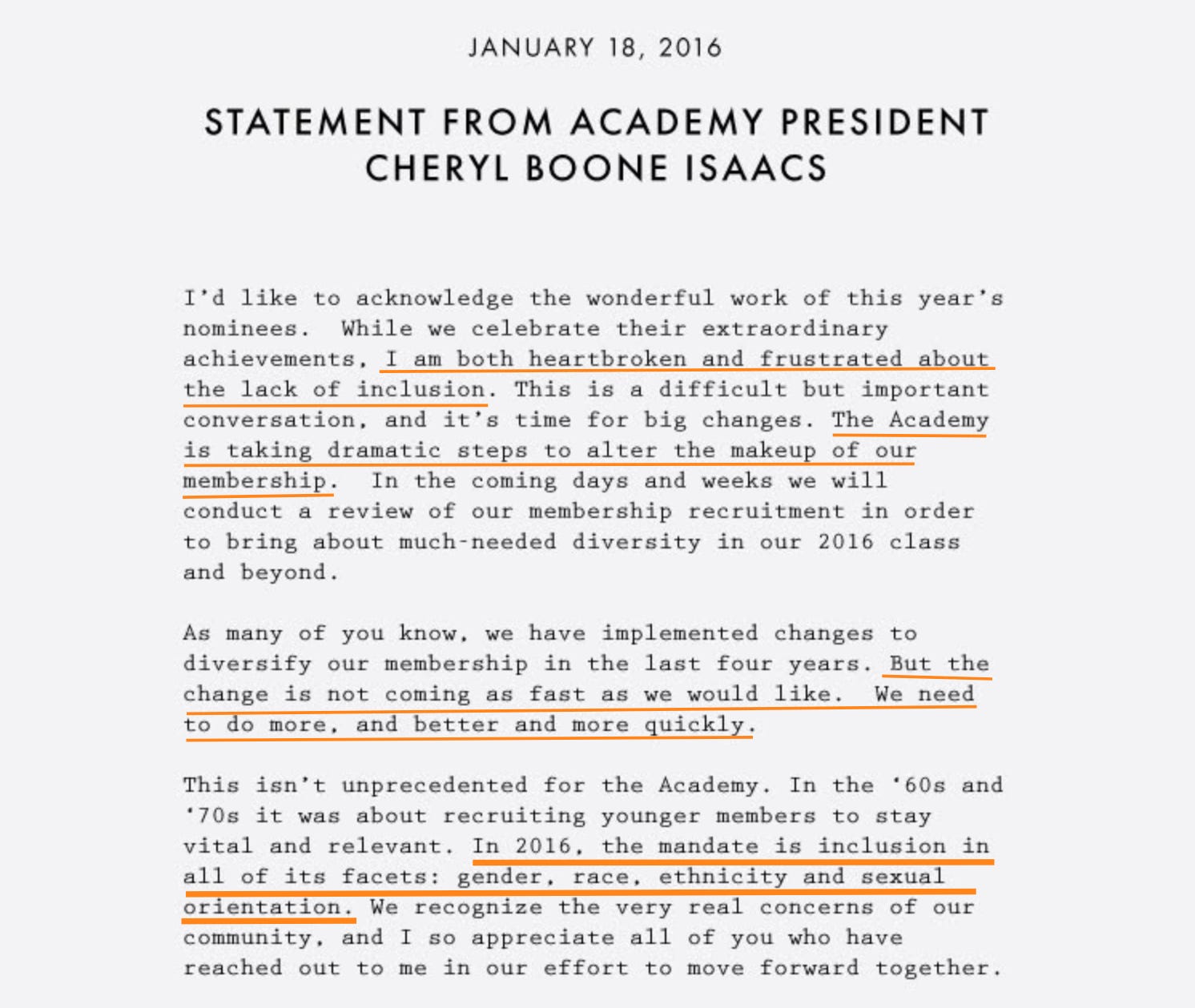
Big changes were coming. Soon a film emerged that was going to save Hollywood from the hashtag. Just a week after Boone Isaacs released her apology, the great Black hope for Hollywood finally premiered at Sundance: Nate Parker’s The Birth of a Nation.
The Birth of a Nation Runs Riot at Sundance
As Owen Gleiberman wrote of Birth’s Sundance premiere…
Over the years, I have seen many standing ovations at the Sundance Film Festival. But this past January, at the gigantic Eccles Theatre in Park City, I watched the only standing ovation I have ever experienced — anywhere — that took place before the film it was applauding even began. That film was Nate Parker’s “The Birth of a Nation.”
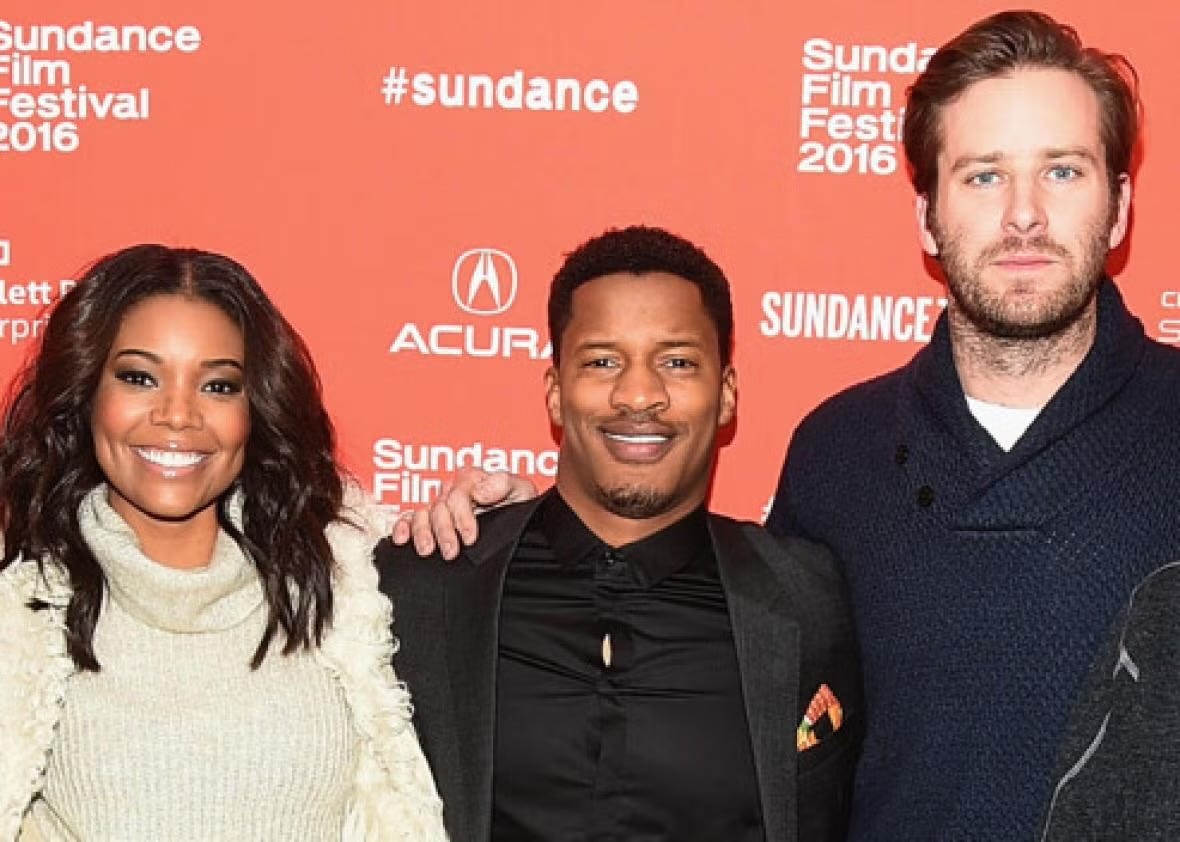
To say that The Birth of a Nation received a rapturous response at Sundance was an understatement. The film walked away with the Audience Award and the Grand Jury Prize, and sparked an acquisition showdown that Deadline called “one of the most freewheeling all-night bidding battles ever seen here in Park City.”
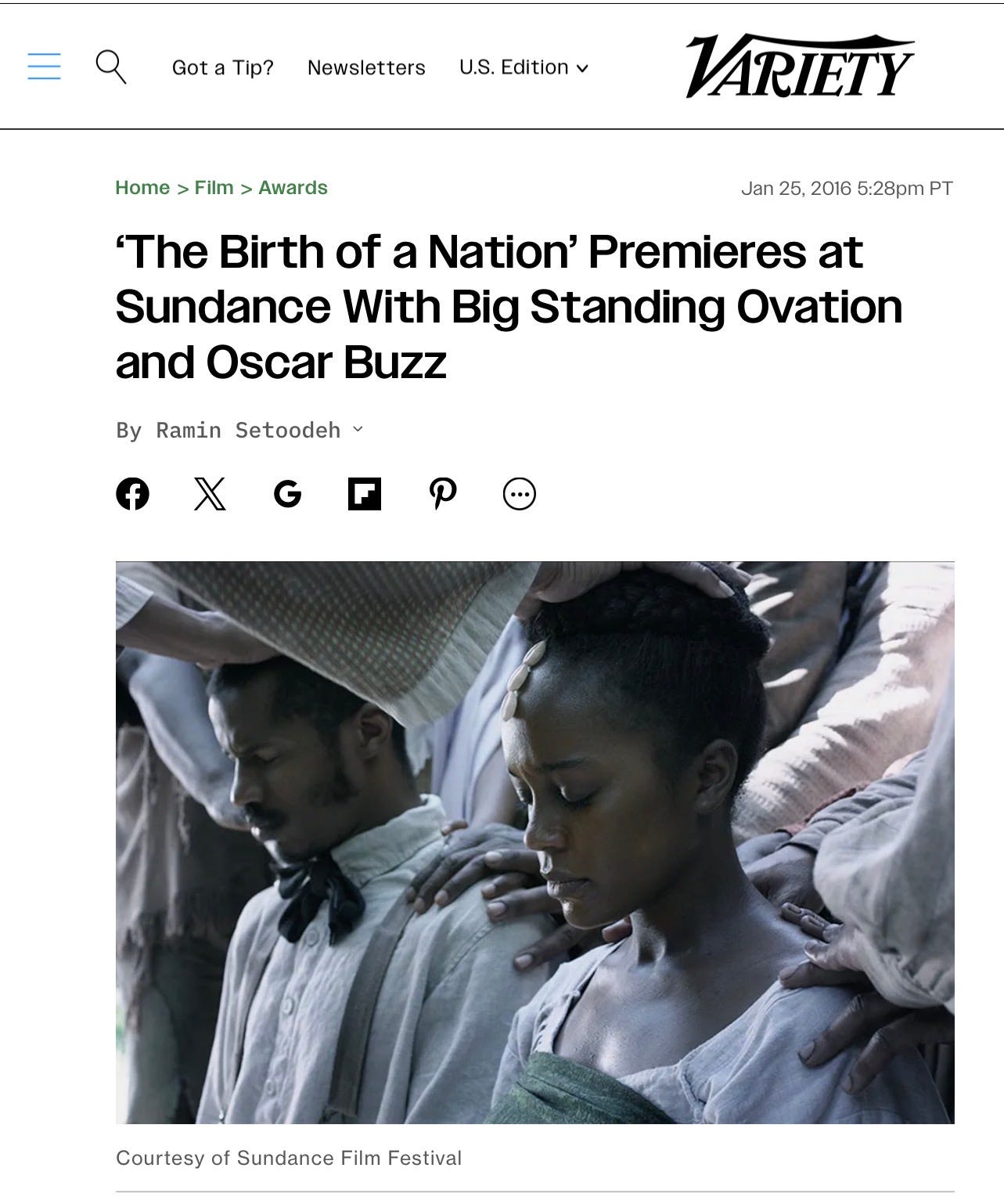
Sony Pictures and The Weinstein Company bid in the mid-eight figures for Birth Of A Nation, and Netflix went all out and bid $20 million, sources said.
Parker ultimately opted for a $17.5m distribution deal from Fox Searchlight, making it the largest deal in Sundance history. He chose them in part because they were behind 12 Years A Slave’s Best Picture win, which many thought was a realistic goal.
No matter what, 2017 was not going to be another #OscarsSoWhite.
Meanwhile, the much-smaller Moonlight was quietly completing postproduction. The films would finally meet at the Toronto Film Festival.
But before that, a nuclear-level press disaster was brewing.
A Publicist’s Worst Nightmare
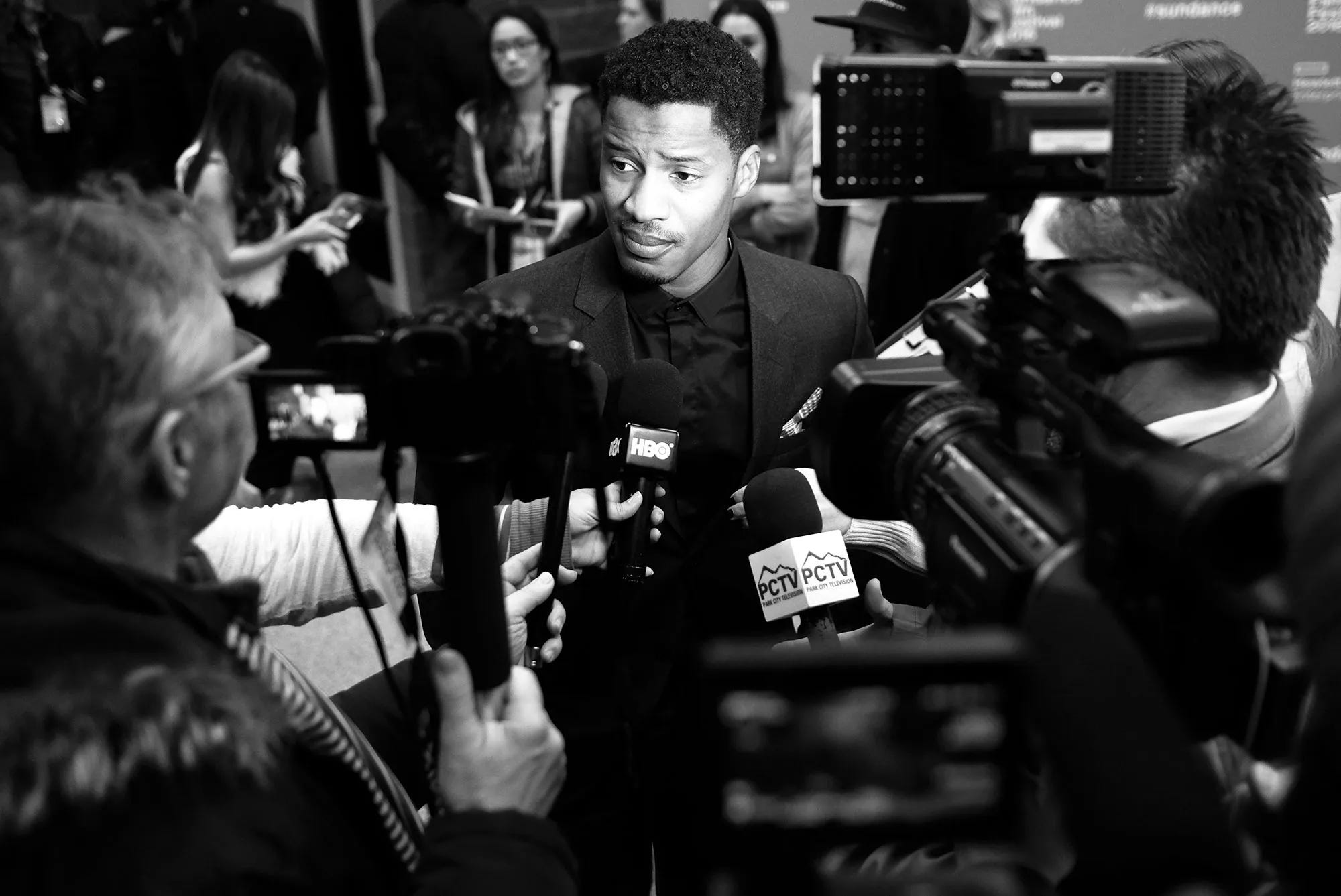
After winning the bidding war at Sundance, Fox Searchlight began preparing for its Oscar campaign. But its due diligence unearthed a troubling fact.
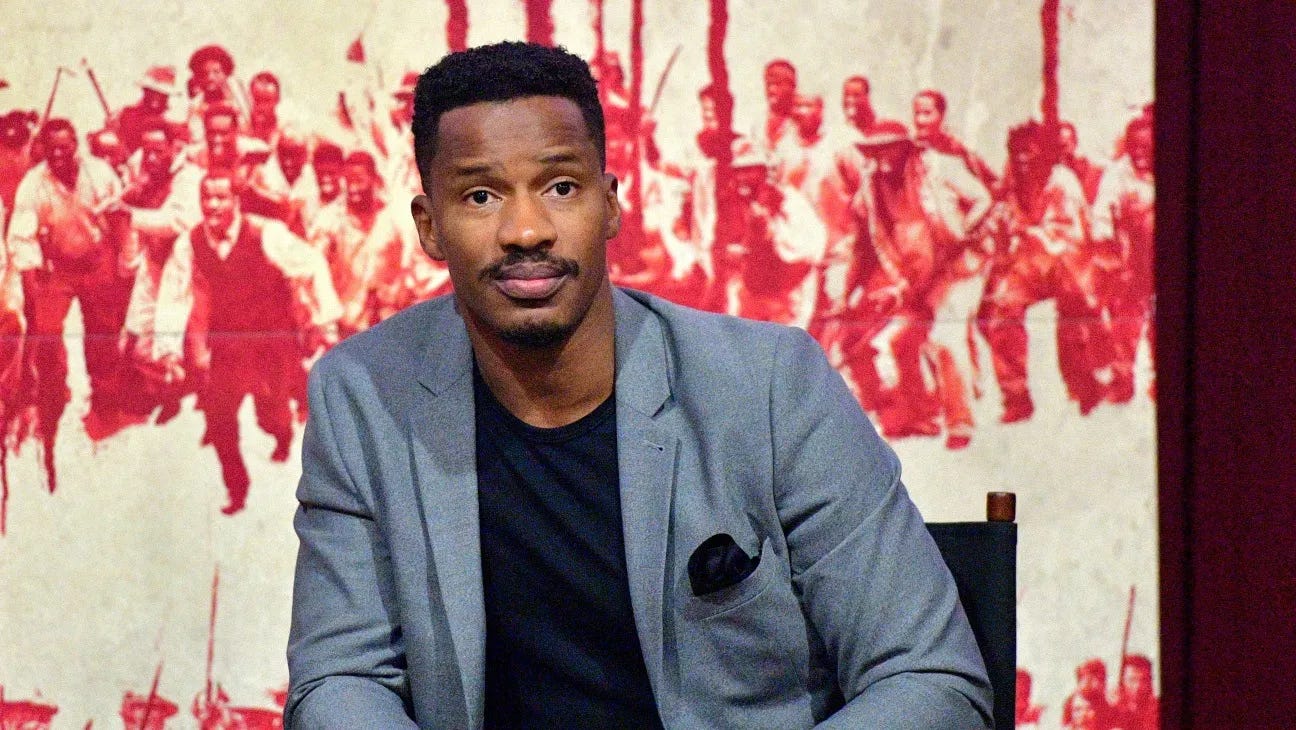
In 1999, when Nate Parker and his Birth cowriter Jean Celestin were student wrestlers at Penn State, they had been charged with sexually assaulting an eighteen year old woman after a night of drinking.
Parker was suspended from the Penn State wrestling team and later transferred to Oklahoma. He was acquitted in a 2001 trial, while Celestin was convicted and sentenced to six months in prison. The woman later sued Penn State under Title IX, alleging that the university failed to protect her from harassment by Parker, Celestin, and their supporters following the case. The suit was settled, and Celestin’s conviction was later overturned on procedural grounds; prosecutors declined to retry him after the complainant said she could not endure a second trial.
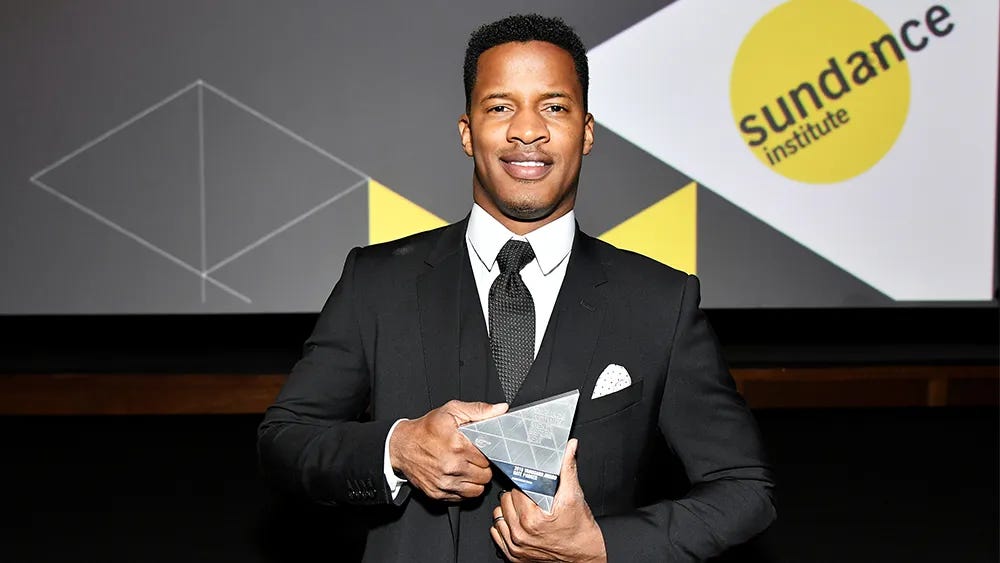
Parker and Searchlight decided to get ahead of the situation before the film’s all-important Toronto premiere, with two interviews with Variety and Deadline on August 12th. Parker maintained that the case had been resolved and declined to apologize, a stance that would soon become disastrous for the campaign.
But the shitstorm was just beginning. Four days later Variety reported that the woman who accused Parker and Celestin had committed suicide in 2012. She had also previously attempted suicide twice after the reported rape. Her death certificate stated that she suffered from “PTSD due to physical and sexual abuse.”
Parker had been promoting the film with Spike Lee at Martha’s Vineyard, and was shocked to hear of his accuser’s death. He released a long statement on Facebook.
“I cannot change what has happened. I cannot bring this young woman who was someone else’s daughter, someone’s sister and someone’s mother back to life.”
The victim’s family began speaking publicly, intensifying scrutiny of Parker just weeks before Toronto.
“These guys (Parker and Celestin) sucked the soul and life out of her,” her sister said.
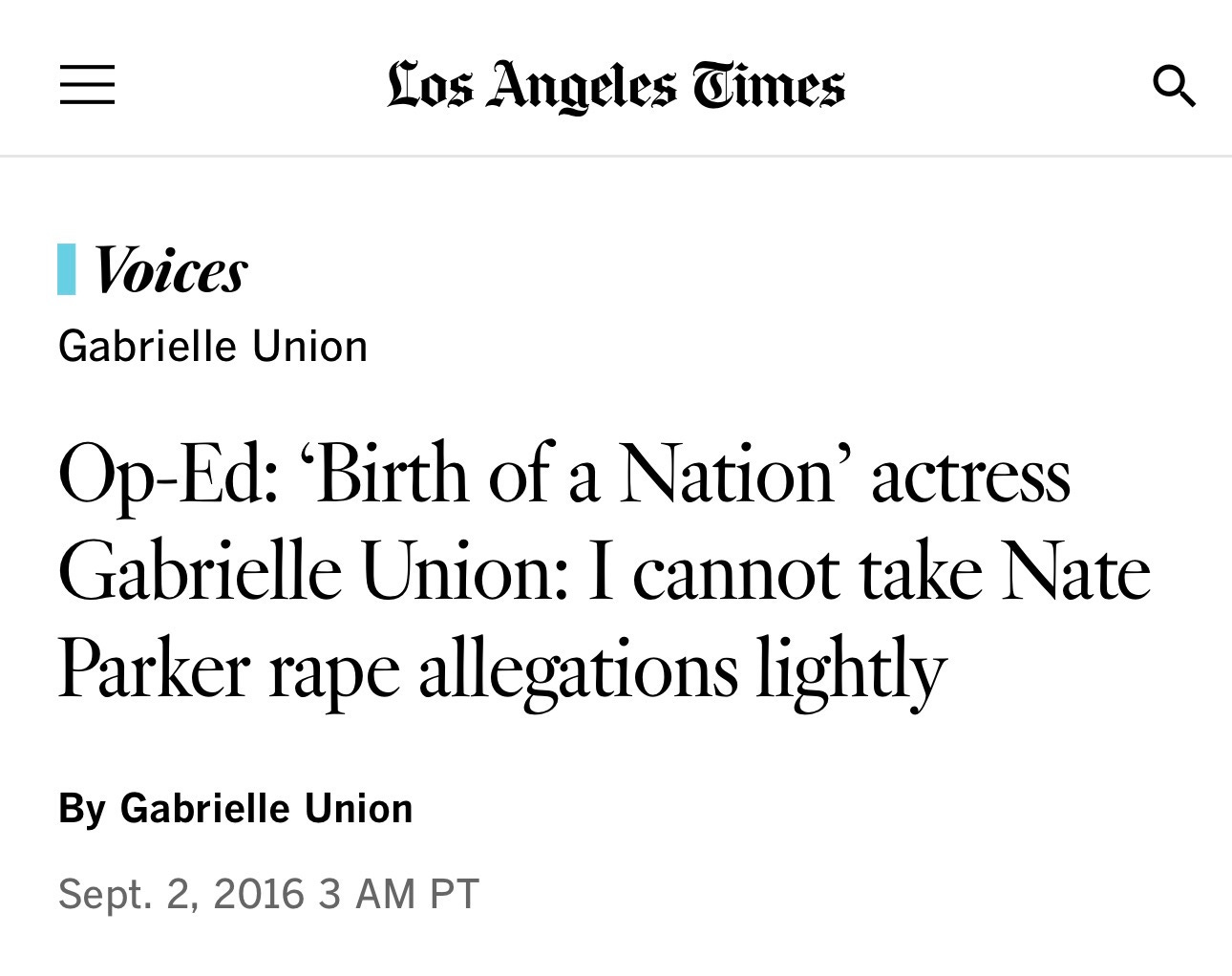
Critics also noted the uncomfortable irony that Parker had written a fictional rape into The Birth of a Nation as the catalyst for Nat Turner’s rebellion. Soon Gabrielle Union, his own star, a survivor herself, published an op-ed in the LA Times:
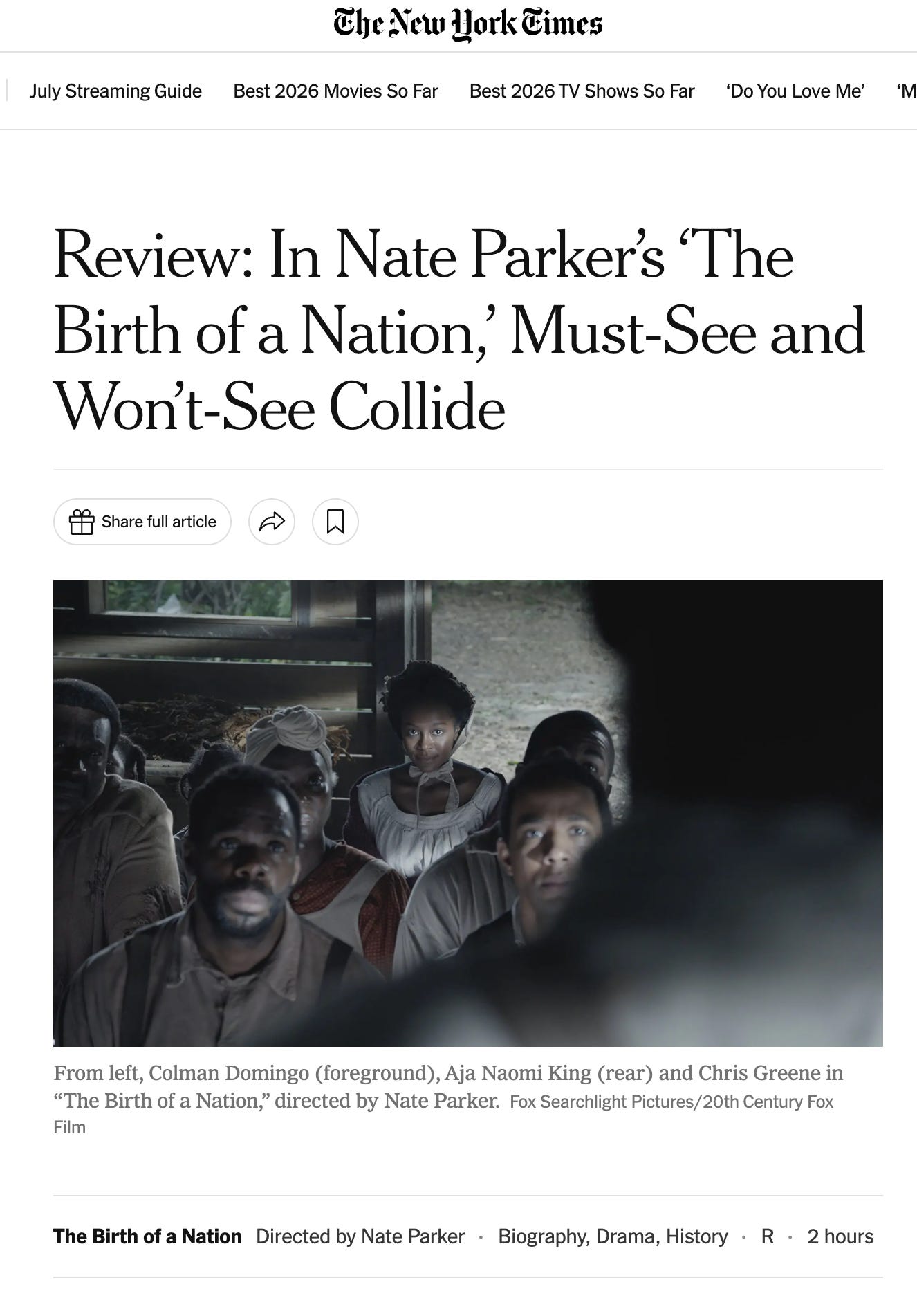
Reviews became inseparable from the scandal. A.O. Scott’s NYTimes review placed the film between a “can’t see” and a “must see,” and compared Parker to Roman Polanski, Woody Allen and other tainted directors. AFI cancelled a planned screening. Critics openly debated whether audiences should separate the artist from the work, and the Oscar campaign collapsed.
Searchlight hired crisis PR specialists, but according to The Hollywood Reporter, Parker repeatedly reverted to insisting he had nothing to apologize for. As he said in an October 2nd 60 Minutes interview with Anderson Cooper:
“I was falsely accused. I went to court, and I sat in trial… I was vindicated. I was proven innocent, and I feel terrible that this woman isn’t here. Her family had to deal with that, but as I sit here, an apology is — no.”
By the time it was released, Birth of A Nation was dead on arrival, grossing just $16.8m, less than the $17.5m Fox Searchlight paid to acquire it out of Sundance.
The 2017 Oscars are Finally Not So White
As Nate Parker’s horrible August was ending, another movie had a surprise premiere at Telluride on September 2nd: Moonlight. Jenkins had made the impossible leap from volunteer to director.
And soon, the baton of the great Black hope was passed to Moonlight. The two films both played at Toronto, Parker to frustrating questions about his past, and Moonlight to rapturous applause.
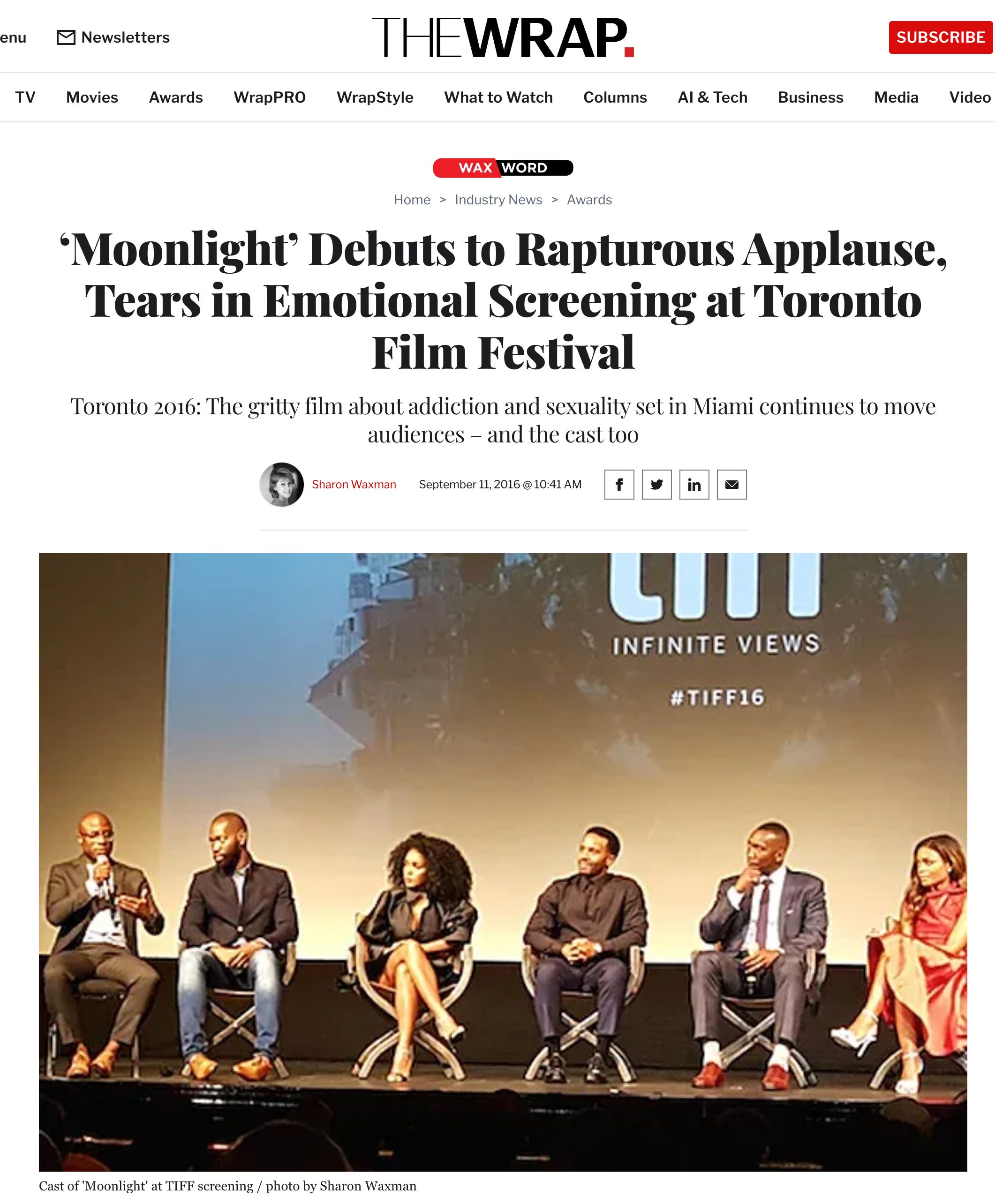
The Times’s A.O. Scott saw it at Telluride, which led to his ebullient review.
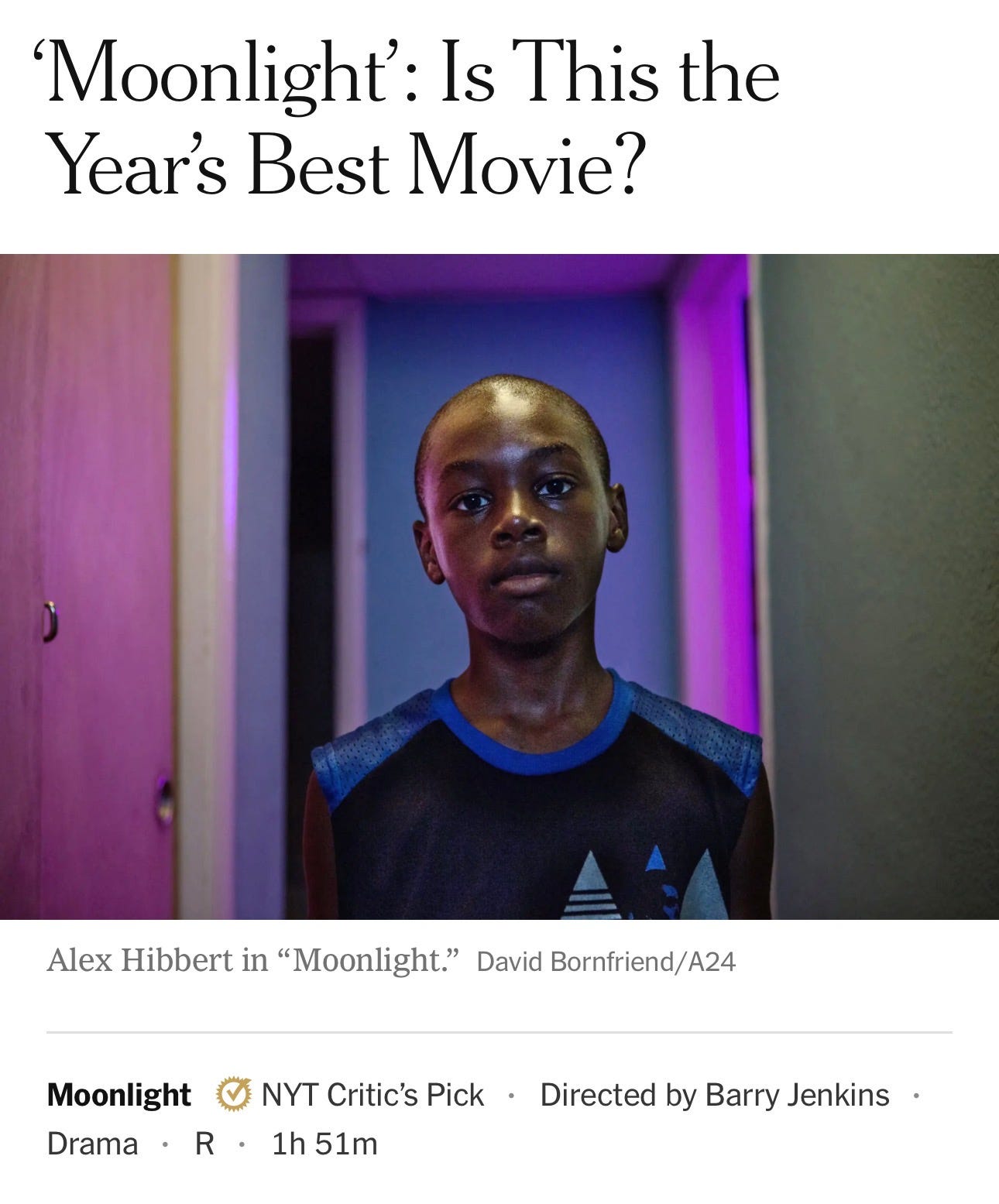
When the 2017 Oscar nominees were announced, they were finally no longer so white:
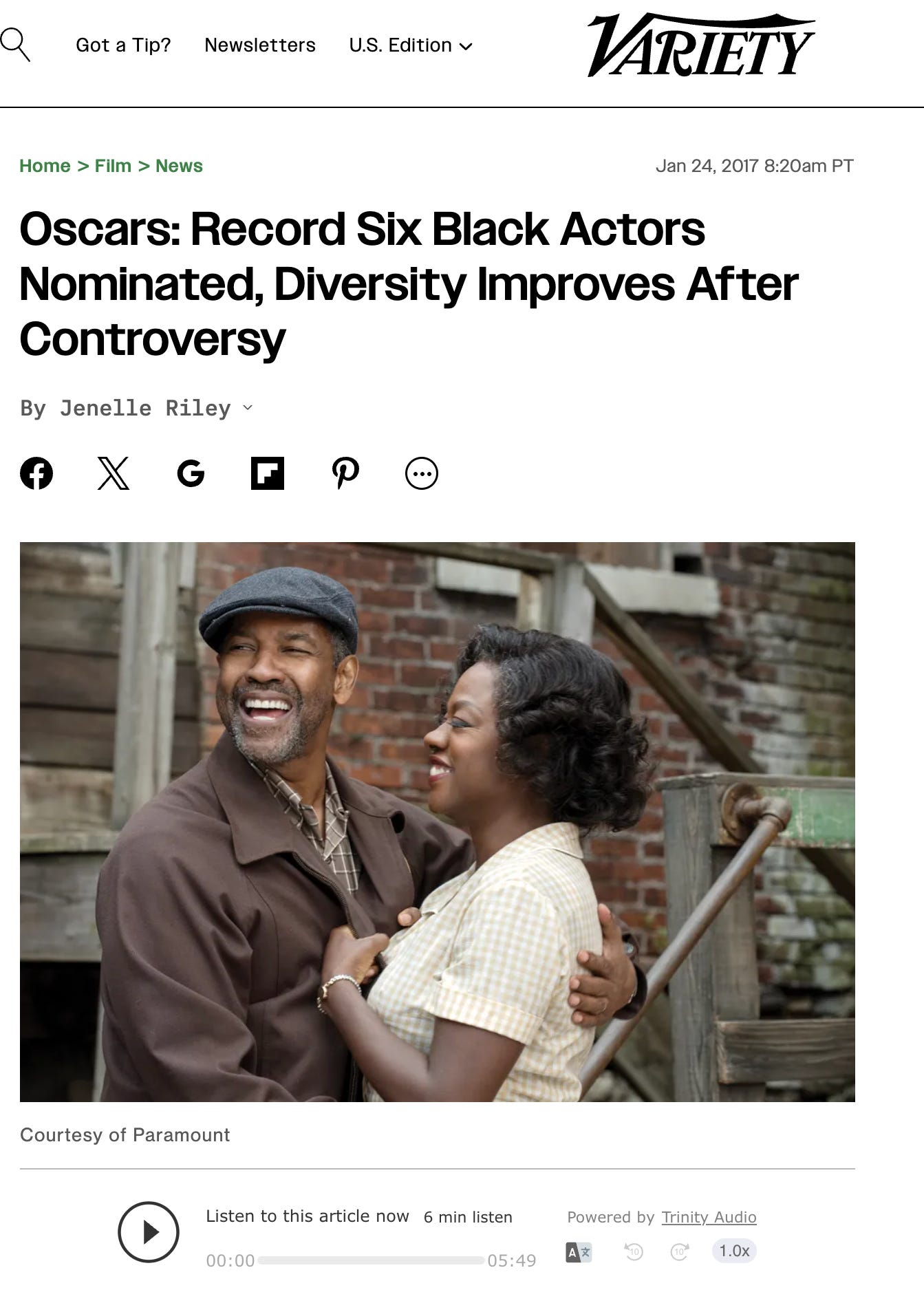
The 2017 nominations shattered multiple records for Black representation. Six Black actors were nominated, and seven nonwhite actors overall, tying 2007’s mark. It was the first year Black actors appeared in every acting category, and the first time a single category (Best Supporting Actress) contained three Black nominees. Viola Davis set a new record for acting nominations by a Black actress, while Denzel Washington extended his own record with his seventh.
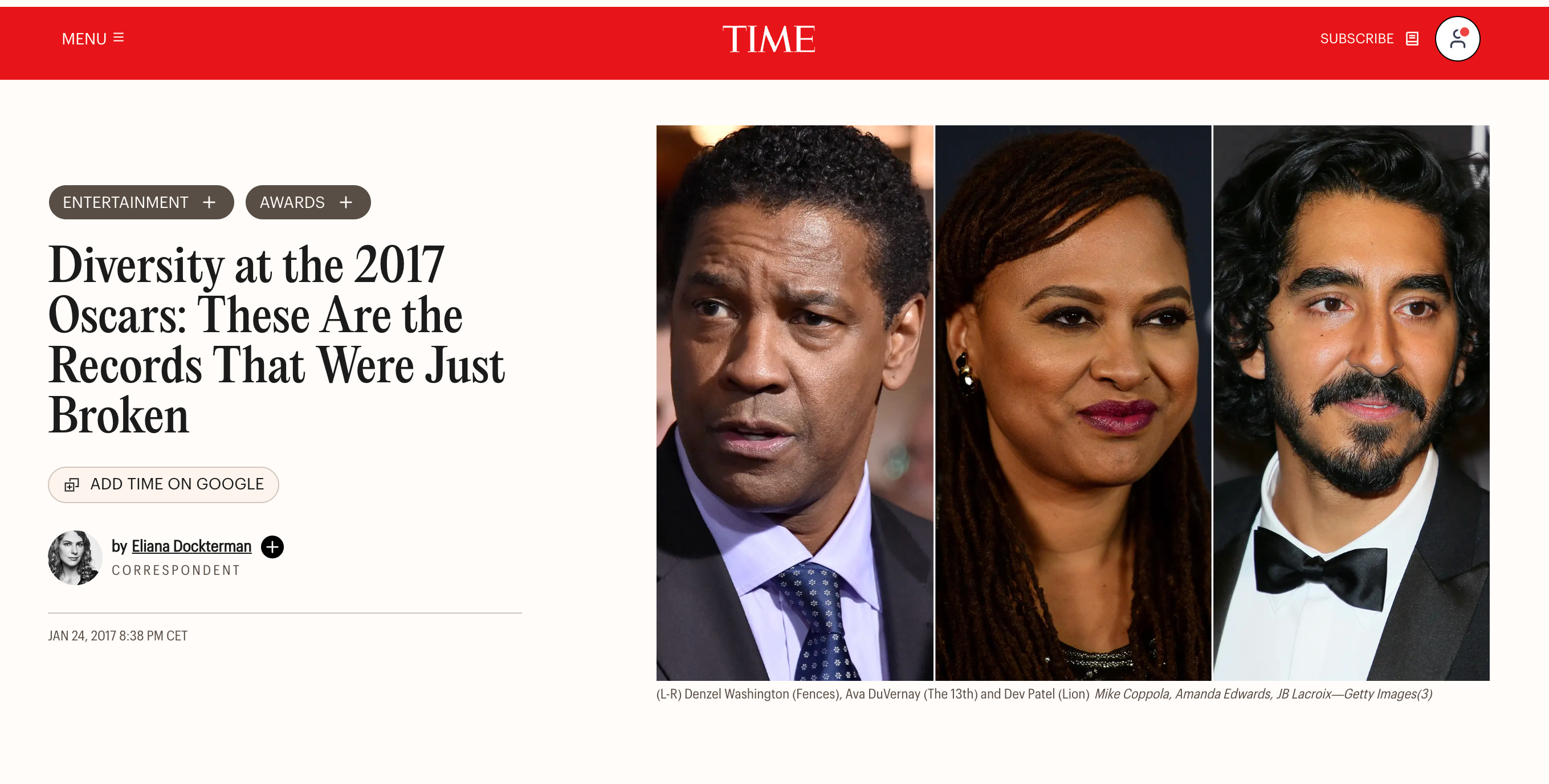
Behind the camera, Joi McMillon became the first Black woman ever nominated for editing, Bradford Young only the second Black cinematography nominee. Three Black writers (Jenkins, McCraney, and August Wilson) landed screenplay nods in the same year for the first time, and Barry Jenkins became the first Black filmmaker nominated for directing, picture, and screenplay simultaneously.
This was directly attributed to the Academy’s diversified voting pool; 683 new members had already been added since the previous year, over double the prior year’s cohort. But it must be said that the voting bloc was still overwhelmingly white and male, and with the right films available, they seemed to get the message.
While it was an unprecedented victory for the Black community, the Latinos were now largely shut out:
“Latinos are outraged, our actors are not getting the opportunities to work in front of camera, and with few exceptions, in back of camera as well.” Alex Nogales, president and CEO of the National Hispanic Media Coalition, said.
Latino frustrations aside, Moonlight quickly became a favored contender, winning the Golden Globe, and sweeping the Gothams and Indie Spirits. Mahershala Ali won the SAG award. While Jenkins lost the DGA award to top rival Damien Chazelle with La La Land, he was still nominated, a crucial step toward his Oscar directing nom.
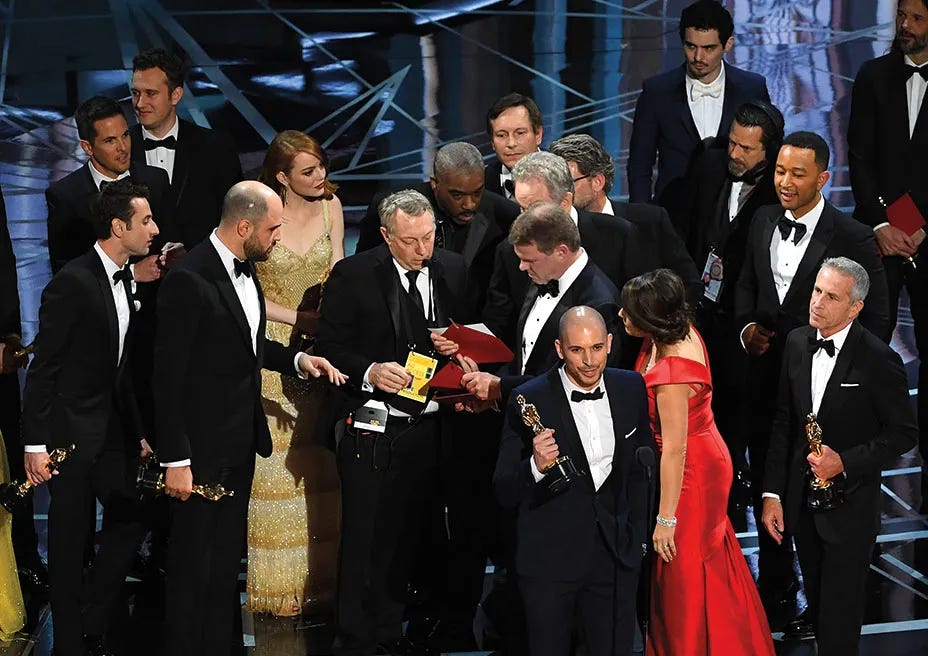
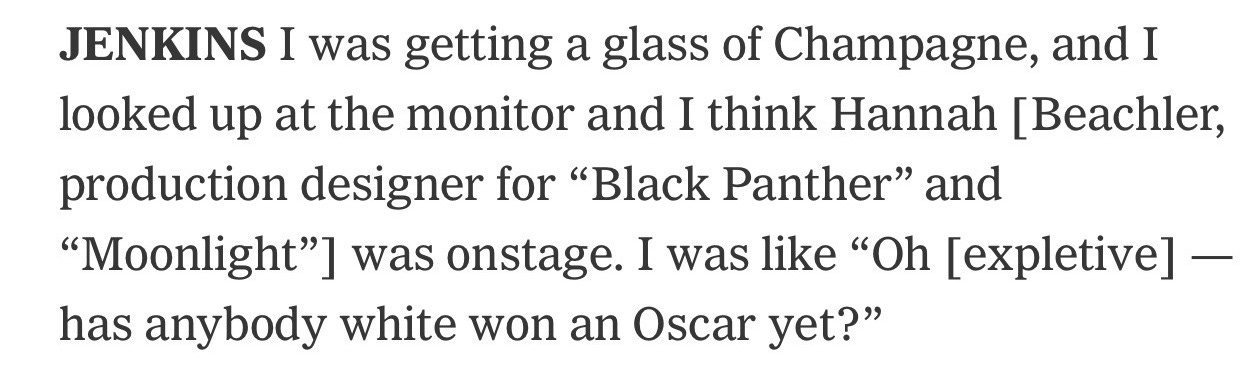
Soon Jenkins was onstage after the famous Oscar gaffe, in which the announcers accidentally read La La Land instead of Moonlight for Best Picture. The film also won Best Adapted Screenplay. Elsewhere, Viola Davis won Best Supporting Actress for Fences.
It was a quintessential American story: Jenkins had gone from Banana Republic shipping supervisor to Oscar winner in less than a decade.
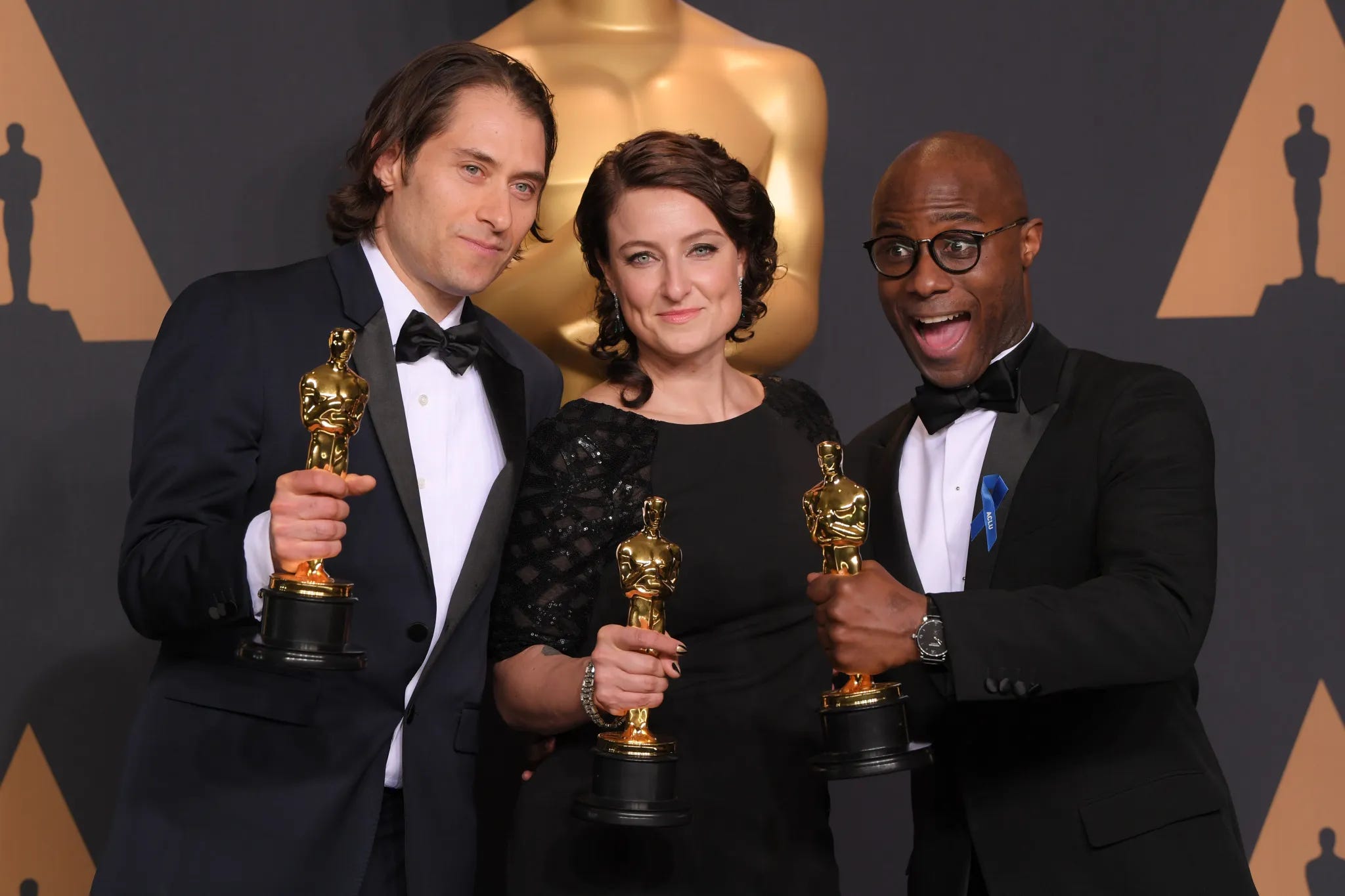
It was also a unique outcome in Academy history: Moonlight was by far the lowest budgeted film of the modern era to win Best Picture, and it seems unlikely that it ever would have, if not for the twin forces of #OscarsSoWhite, as well as the implosion of The Birth of a Nation at nearly the exact time it was premiering.
Ryan Gosling had perhaps the best reaction of the night:
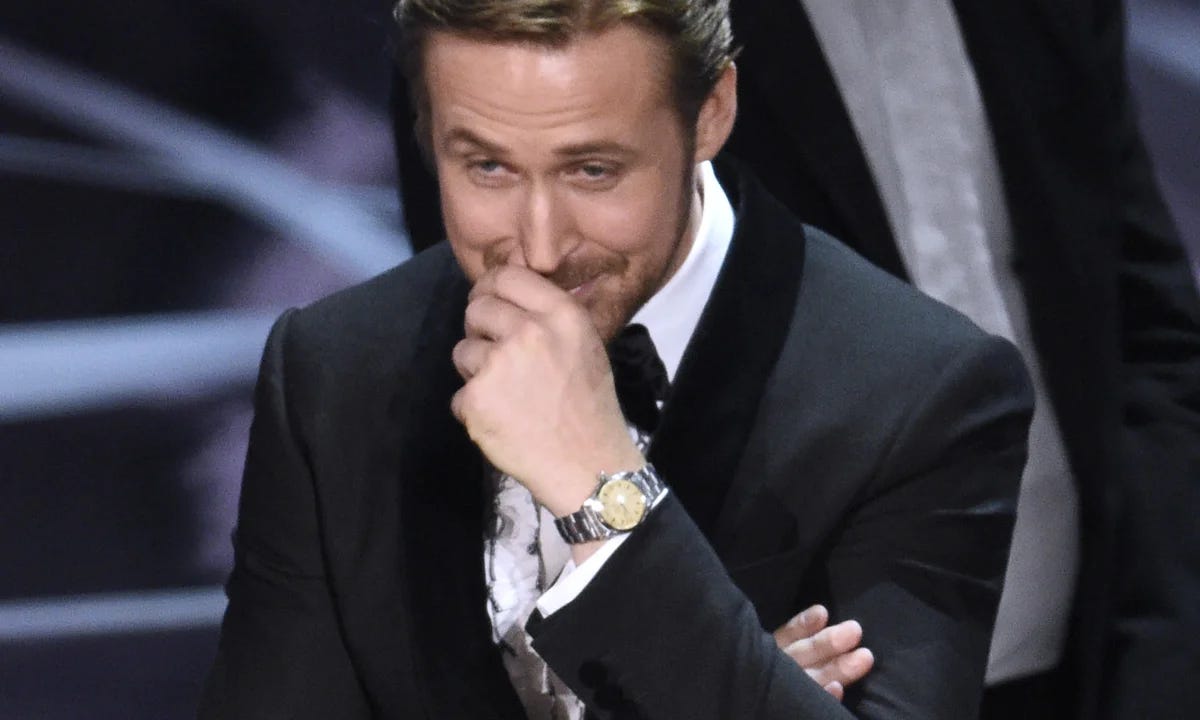
He claimed he was relieved it wasn’t a medical emergency.
The Great Dilution Begins
One year prior to the 2017 debacle, Academy President Boone Isaacs took the stage at the 2016 Oscars to give a speech.
“Our audiences are global and rich in diversity, and every facet of our industry should be as well… It's not enough to just listen and agree. We must take action.” - Cheryl Boone Isaacs
By the time she spoke these words, action was already underway: five weeks earlier, in January 2016, the board had committed to doubling the number of women and members from underrepresented communities in the Academy by 2020.
DuVernay tweeted in response; “shame is a helluva motivator.”
Boone Isaacs, as she wrote in her letter, was trying the same strategy used in the late 1960s, when Gregory Peck, then Academy President, enacted “The Peck Purge:”
Four days after the Oscars, the Academy announced that it had “revised and democratized” its rolls by reclassifying three hundred and thirty-five of its members as non-voting “associates.” As one headline put it, “Stodgy Old Oscar Gets a Facelift.” Ironically, many in the same voting body that had just awarded “Midnight Cowboy” Best Picture were being told that they were obsolete.
In a strange historical echo, the same body that had just awarded Moonlight had also been labeled obsolete.
Boone Isaacs’s first lever was to try and thin the old guard’s voting rolls: the January package stripped voting status from members who had been inactive in the industry for a decade — a rule critics immediately called age discrimination, sparking a backlash.
Peck suffered through a similar silver-backlash in 1970, but he didn’t back down, reinstating only thirteen of the 335 demoted associates’ voting privileges. Boone Isaacs, however, did ultimately back down, and less than 1% of the Academy lost their voting privileges.
Unable to forcibly retire the old, Boone Isaacs decided instead to dilute them. But there was a problem: a strict cap on the number of Academy invitees:
A maximum of 211 new members could have been invited for 2011, according to membership policies. However, several branch committees endorsed fewer candidates than allotted. A candidate must be sponsored by at least two members of the branch for which the person may qualify. Voting membership has remained at just under 6,000 members since 2003.
On paper, most branches' minimum credit requirements theoretically survived Boone Isaacs’s Great Dilution. But just look at the raw numbers:
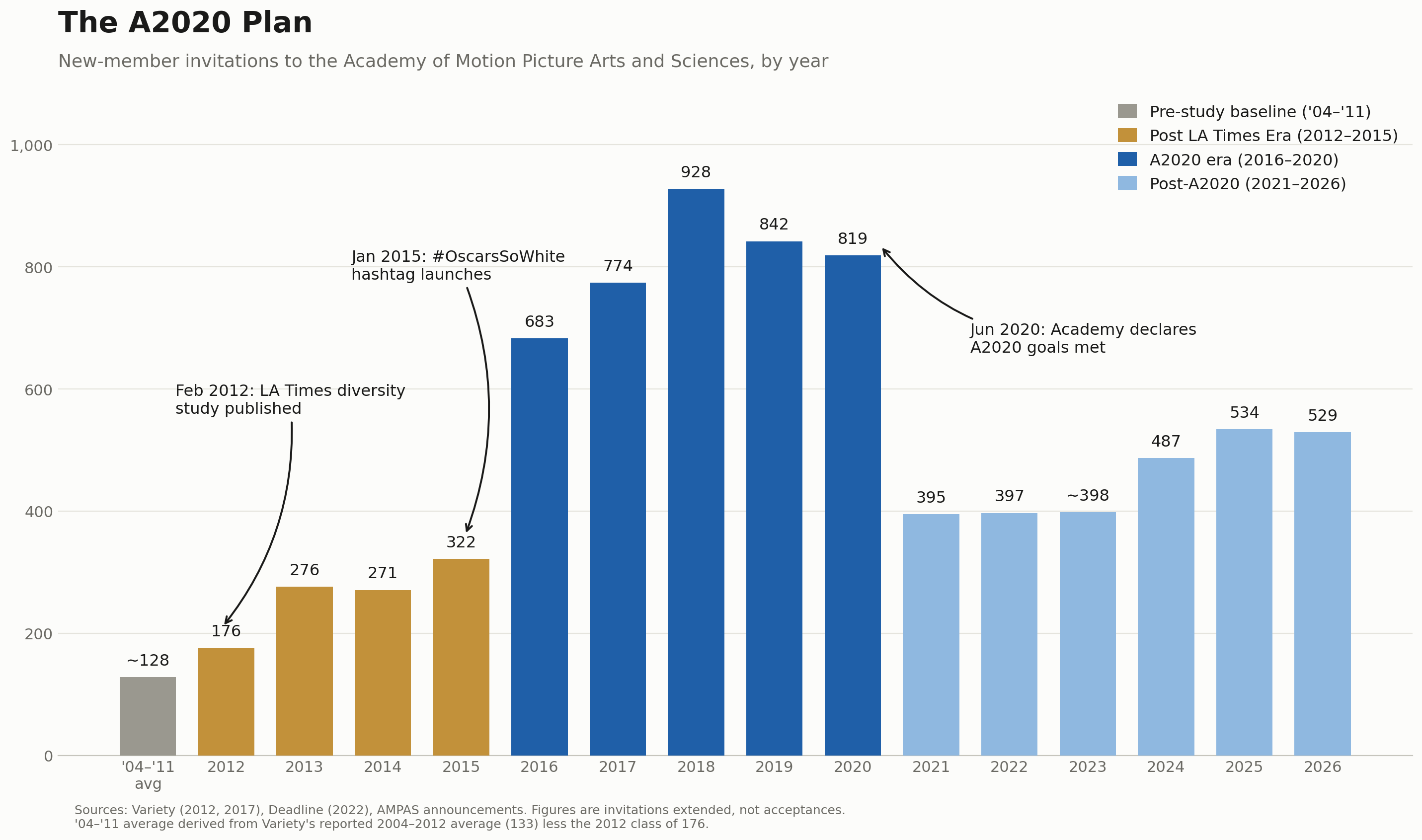
The Academy went from roughly 6,000 members in 2015 to a projected 11,319 in 2026 — roughly doubling in a single decade.
The directors branch, which generally required two directorial credits, welcomed filmmakers with a single celebrated feature, Marielle Heller — invited in 2016 with only The Diary of a Teenage Girl to her name — among them.
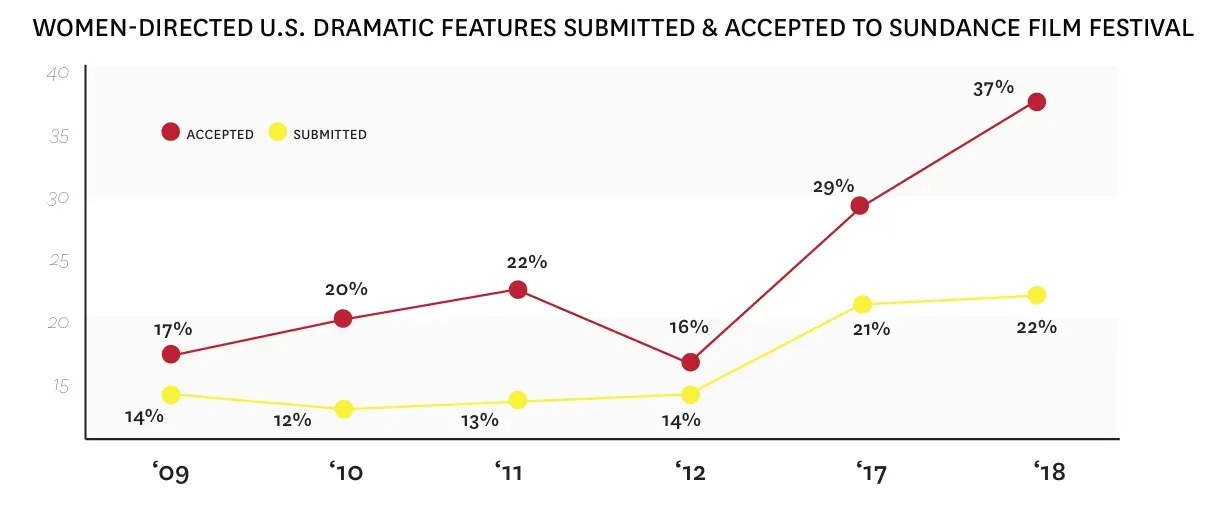
To hit the numbers, filmography depth was out, festival prestige was in. As I wrote in Film Festivals vs Activists, that same prestige metric, like the Sundance laurel, had already been reengineered in 2014 to select for identity.
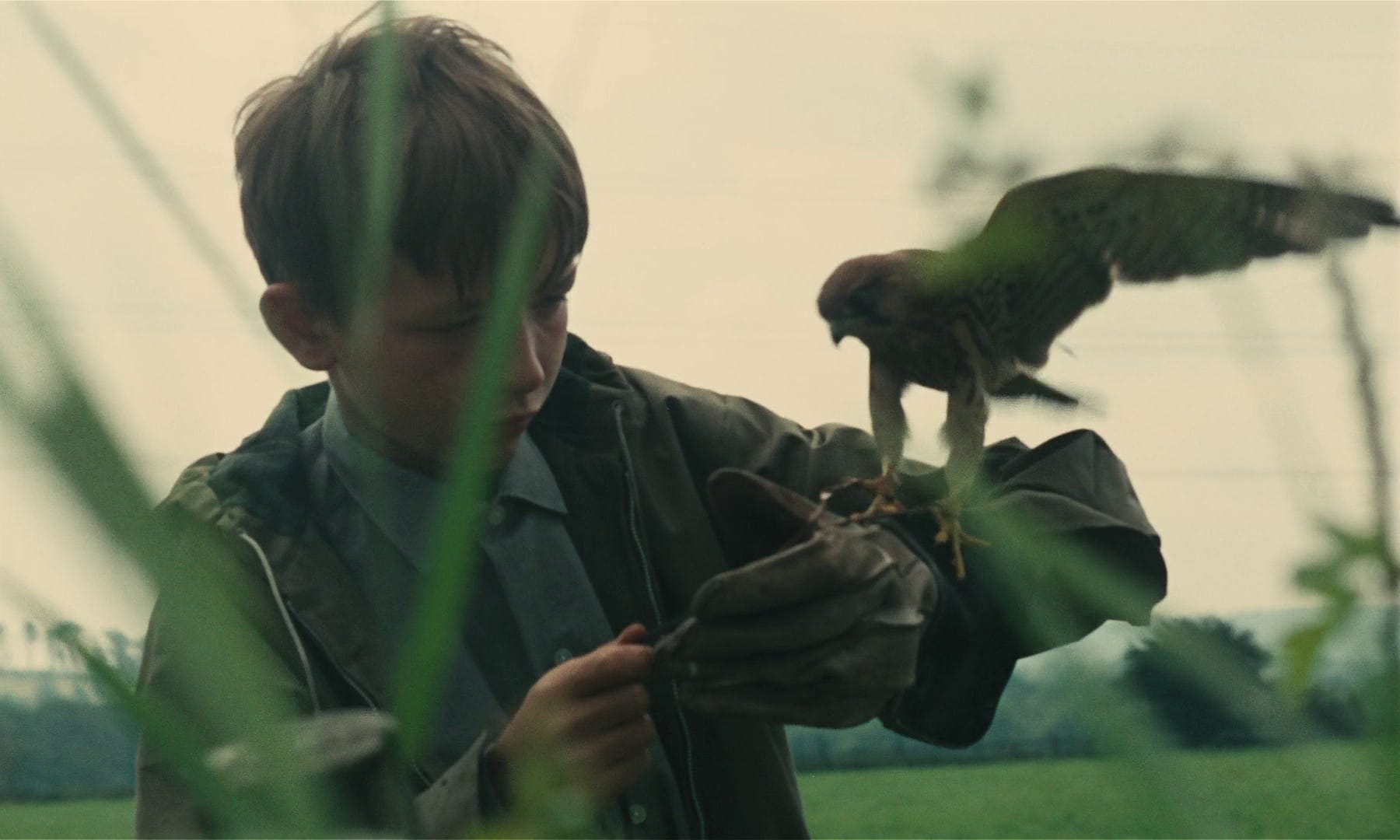
In the new waves of invites, the Academy also waved in the arthouse eminences the old club had ignored for decades, including Abbas Kiarostami and Ken Loach in 2016. With them not only the membership, but also the purpose, of the Academy changed. Kiarostami and Loach were masters, for sure, but neither of them were popular filmmakers. Loach, for one, is an ardent socialist who has spent fifty years making films decrying everything a capitalist studio stands for (your author loves him by the way, watch Kes).
He’s also a white man. How was inviting him supposed to diversify the Academy?
Nobody could object to a single name. But an electorate that joined via Sundance Competition and Un Certain Regard does not vote like the one that broke in sweating through crappy genre pictures on the Warners lot. The old Academy had its activist streak — it famously handed The Hurt Locker the crown over Avatar back in 2010 — but that was a fluke at the time, perhaps even a jealous “fuck you” to the massively successful Cameron by handing his ex wife the gold.
Bigelow was also, of course, the first woman to win Best Director, which matters, even if it’s one of the lowest grossing Best Picture winners of all time.
For Boone Isaacs, trying to hit her A2020 numbers, some things would have to change. The most logical pipeline into the Academy had always been the Oscars themselves: nominees are automatically considered for membership.
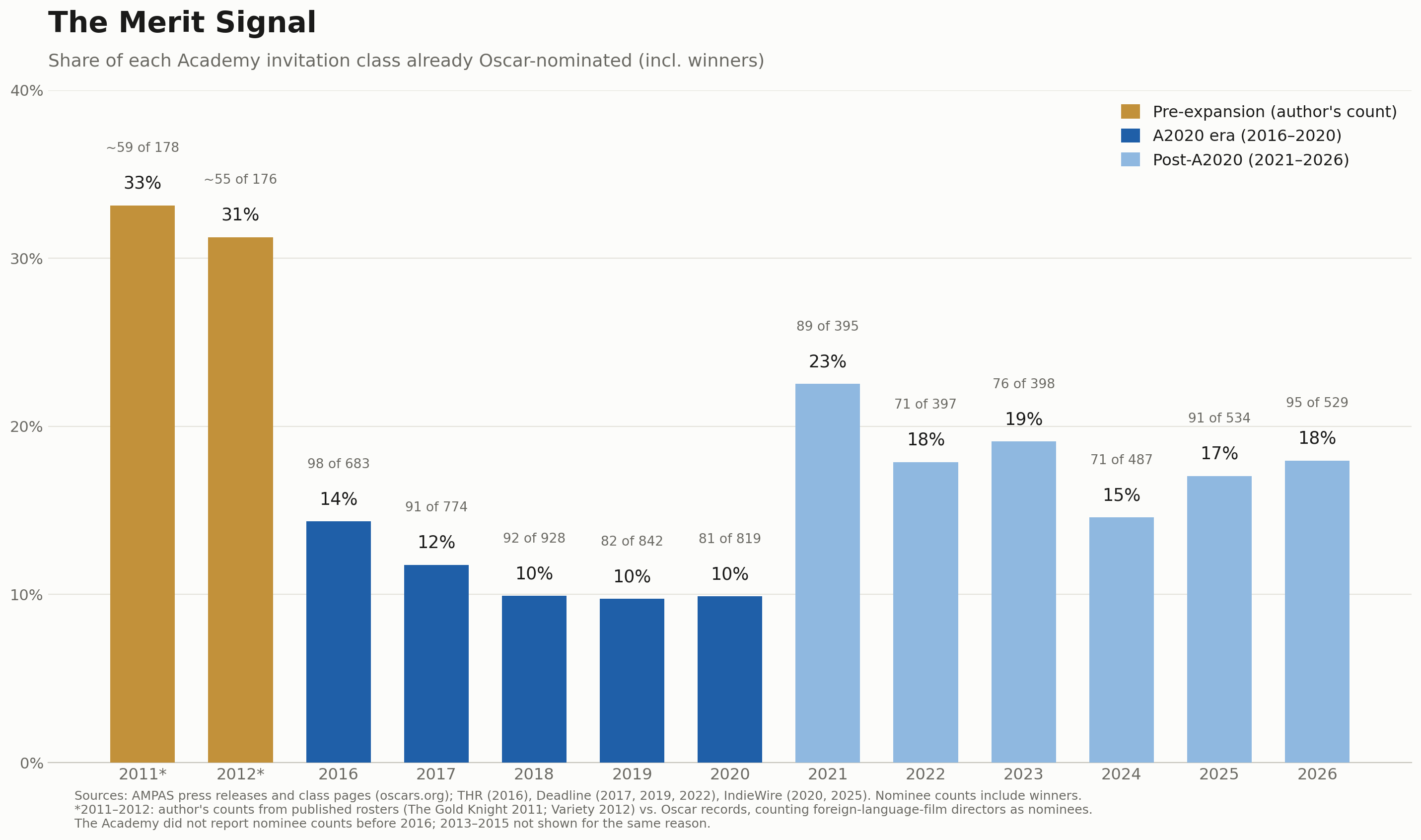
In 2011, the year before the LA Times article was published, 59 of the 178 invited members, or 33%, had been nominated for or won an Oscar. Seven years later, only 92 of 928, or 10% of the 2018 class had ever been nominated for an Oscar.
The Academy insisted it was “not lowering any standards, we are widening our net.” But if one of the main prior standards was an Oscar win or nomination, that seems downright impossible. And it was.
What makes the surge even more significant: membership was essentially frozen for years — actually shrinking slightly, from 5,830 in 2007 to 5,765 in 2012.
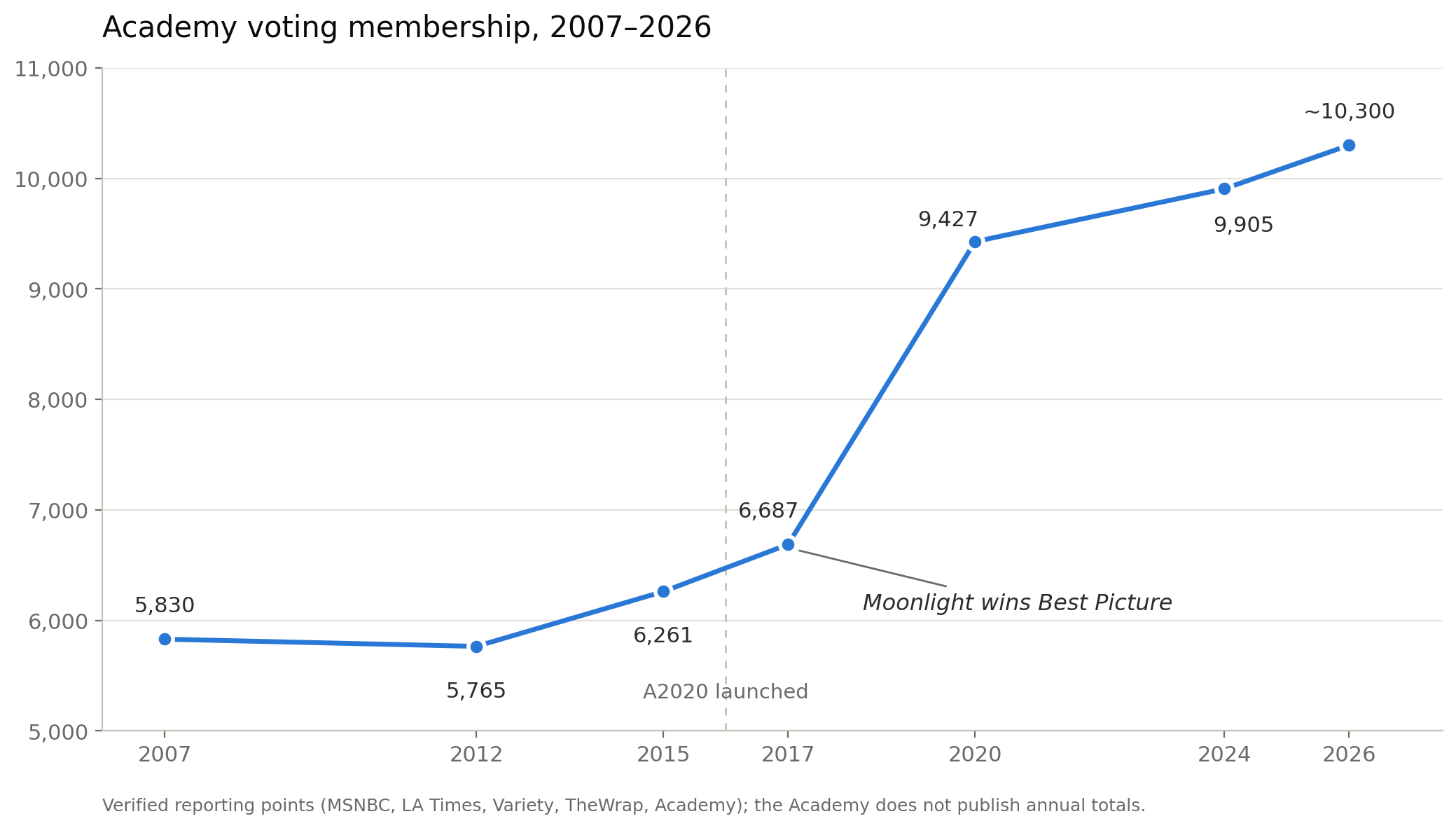
How about the diversity? Entering 2016, the Academy’s 6,261 voters were 89% white and 73% male — roughly 1,600 women and 700 members of color. These were the same people that handed Moonlight Best Picture.
Today's Academy has over 11,000 members: 36% women and 25% members of color. That's roughly 4,000 women and 2,800 members from underrepresented communities — women more than doubled, minorities more than quadrupled.
But one has to ask: with only 2% of the 2012 Academy members Black, with a Black Academy president and the Black community protesting, why on earth didn’t they just focus on bringing in more Black members? Wouldn’t that have been the most logical response?
Because if the goal was increased Black representation in the Academy, the results were not what they hoped for.
More Diverse, Less Popular
Moonlight, and its wave of new Academy entrants, ushered in a new era of elite entertainment. While Moonlight was outrageously popular with critics, it was decidedly less so with audiences, grossing just $65m worldwide. Domestically, at the time of its release it was the second worst performer at the box office among Best Picture winners, after only The Hurt Locker ($17m against Moonlight’s $28m).
The Birth of a Nation had been built as a large-scale historical epic for multiplex audiences. Moonlight was a $1.5 million festival film. When Parker collapsed under scandal, the symbolic center of Black prestige cinema shifted from one model to the other.
Moonlight became emblematic of the kind of internationally acclaimed festival cinema that increasingly flourished within the Academy’s expanded electorate.
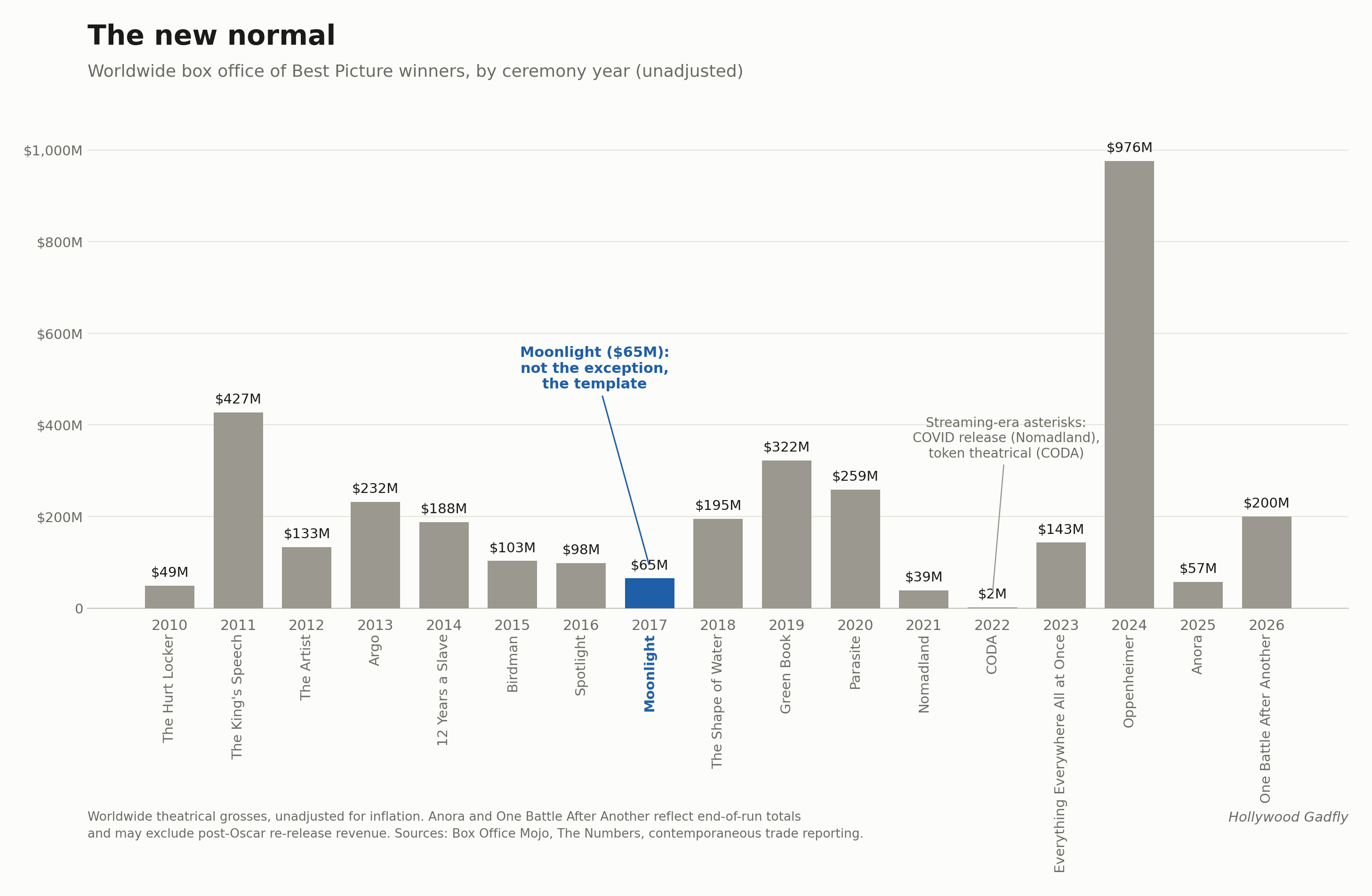
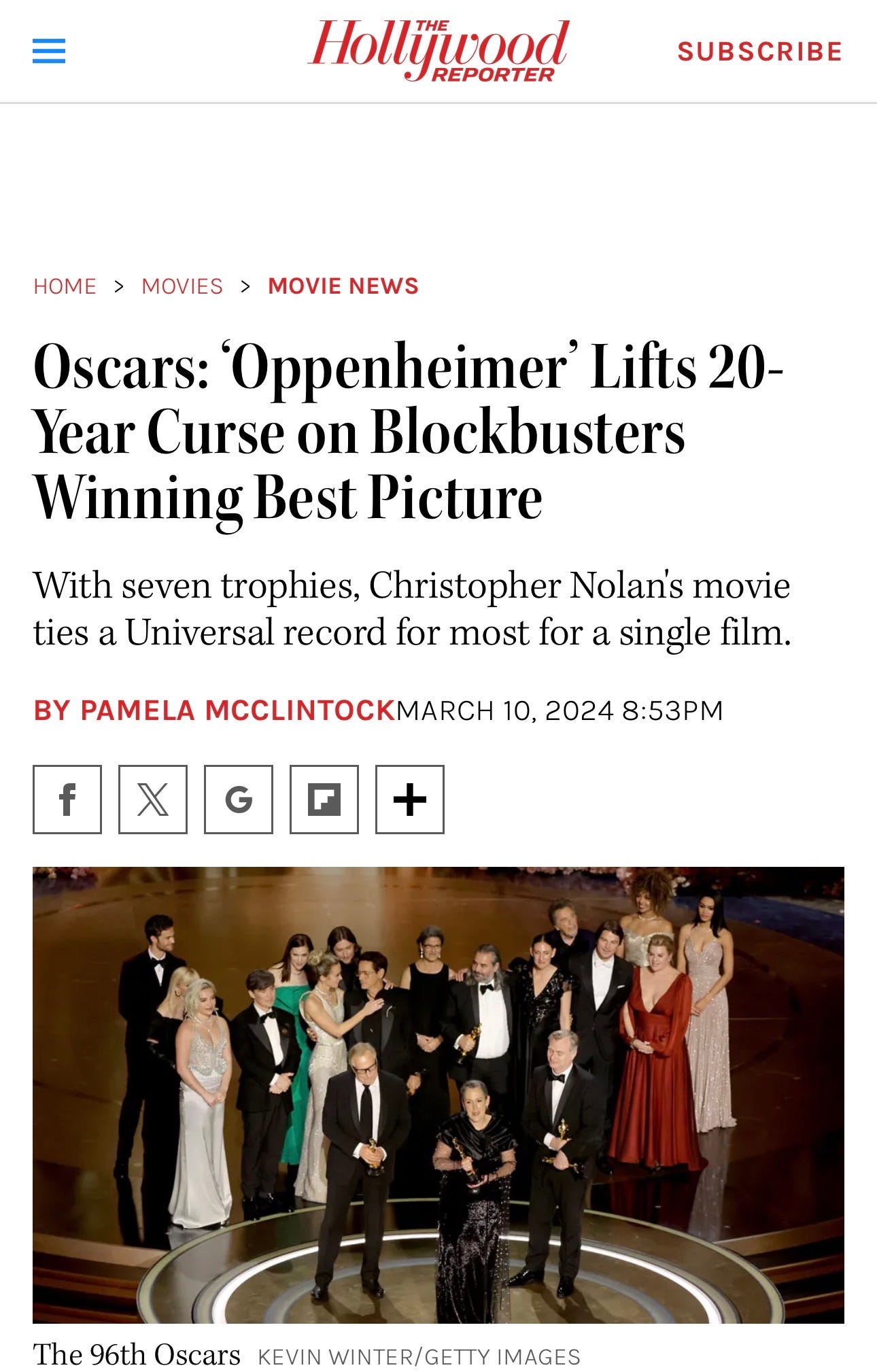
The lower box office went on so long that the Hollywood Reporter dubbed it a twenty year curse.
In a cruel twist of fate, Moonlight was also the last Black-directed film to win Best Picture.
This may have been because the Academy, reacting to #OscarsSoWhite, decided to diversify its pipeline as quickly as possible, which meant pulling new members from a new and very different talent pool.
We Are the World
Ironically, to hit their quotas for female and minority members, the Academy had to draw heavily from outside the United States.
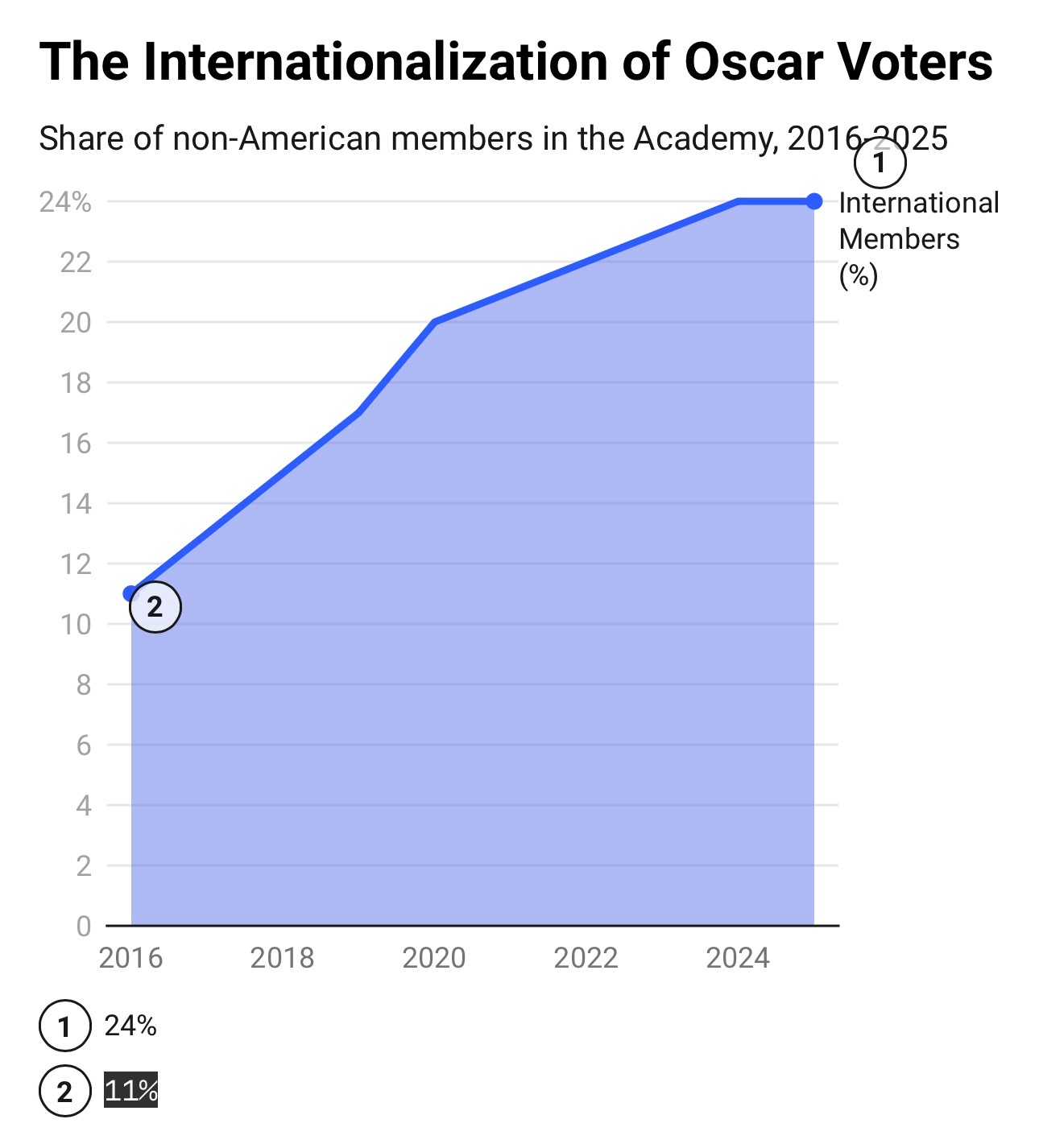
As Jacob Savage has shown, as the Academy raced to diversify, the share of international voters more than doubled, going from 11% in 2016 to 24% in 2025. This year, like Boone Isaacs’s globetrotting flights, they made up more than half of all invitees, drawn from sixty countries.
What the Academy and Boone Isaacs may not have considered, is that those international voting populations have their own needs and agendas. European film funding, for one, is heavily influenced by prizes like the Academy Awards, where even a nomination, let alone a win, can be exchanged directly for funding.
The Academy went from a measured 2% Black membership in 2012, to… a figure it declines to disclose, hidden inside the 25% “underrepresented” category. As I’ve written elsewhere, the wealthy Chinese and the poor Black American are now lumped together into the same strange “underrepresented” bucket.

And those new international members knew who they wanted to see nominated: themselves. In the Academy's first ninety years, only nine non-English-language films were ever nominated for Best Picture — about one per decade. Since Roma in 2019, there have been twelve in eight ceremonies. Ten of them came from outside the United States entirely; the other two, Minari and Past Lives, were films the Academy's own rules deemed too domestic for the international category.
Since Roma, we’ve had Parasite (which won), Minari, Drive My Car, All Quiet on the Western Front, Anatomy of a Fall, The Zone of Interest, Past Lives, Emilia Pérez, I’m Still Here, and, this past March, both Sentimental Value and The Secret Agent.
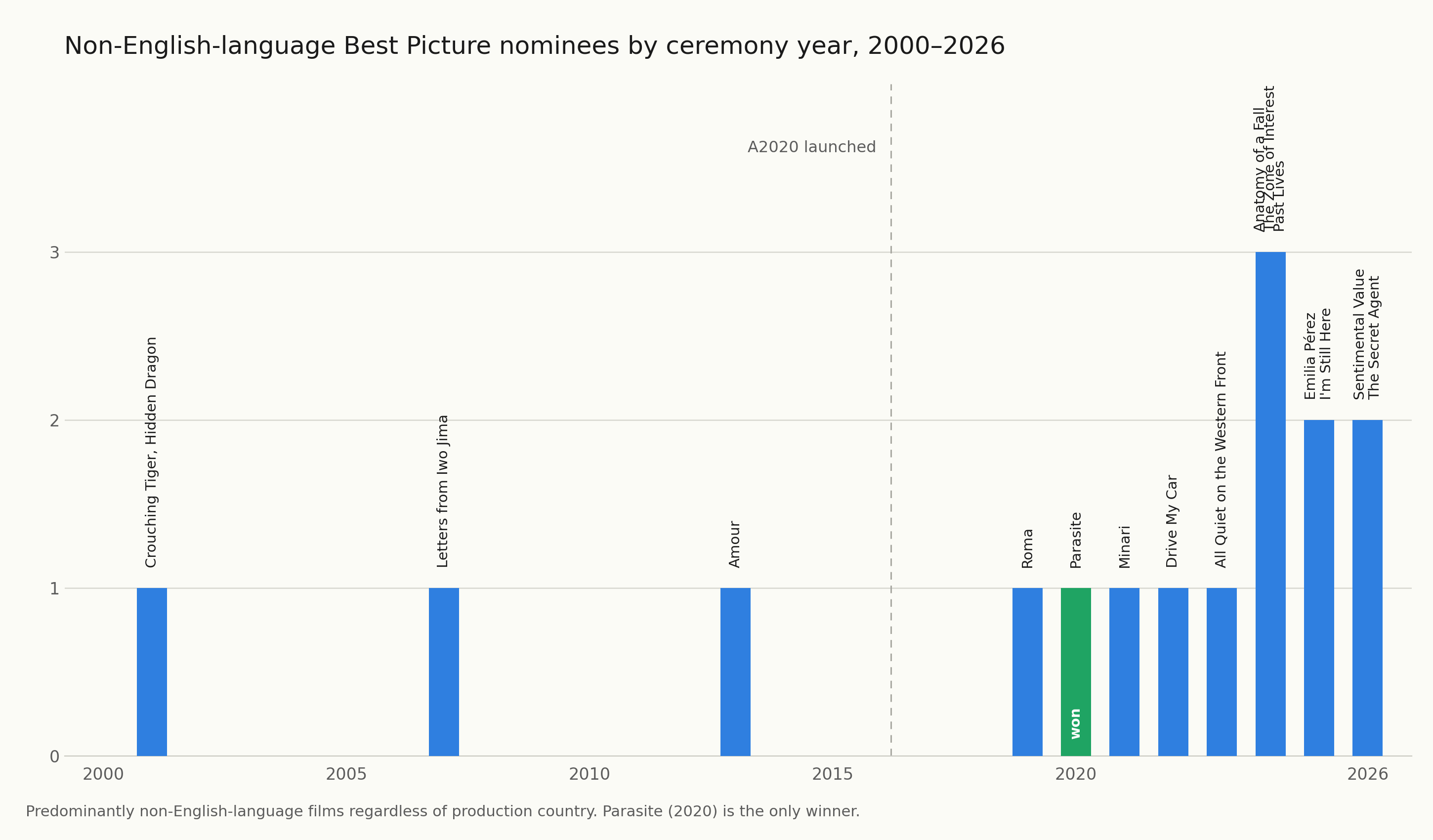
One might counter that the field simply got bigger. It did — briefly, in 2009, and then again in 2022. But between those two expansions the Academy used a sliding scale, and the surge began right in the middle of it, under the smallest fields of the modern era: Roma was one of eight nominees, Parasite one of nine, Minari one of eight. It was the electorate, not the slots.
The commercial disparity between English- and non-English-language cinema is striking. English-language prestige dramas that break into the global theatrical market often gross between roughly $50 million and $300+ million worldwide, with major awards contenders sometimes exceeding $400 million. By contrast, many acclaimed European and Asian festival-oriented films typically earn single-digit millions to tens of millions worldwide, though occasional crossover hits reach much higher. Only a tiny handful —including The Intouchables ($427 million) and Parasite ($263 million) — have ever broken through to genuine global commercial success.
The reality is that 80-90% of global box office comes from English-language films, and 49 of the top 50 highest grossing films of all time are from Hollywood. The lone exception is a Chinese animated feature which was never even submitted to the Academy. So inviting in the rest of the world was a genuinely odd choice if the goal was popular cinema, the kind general, not elite audiences, pay to see.
In a strange way, Bong Joon Ho might be the greatest winner of #OscarsSoWhite.
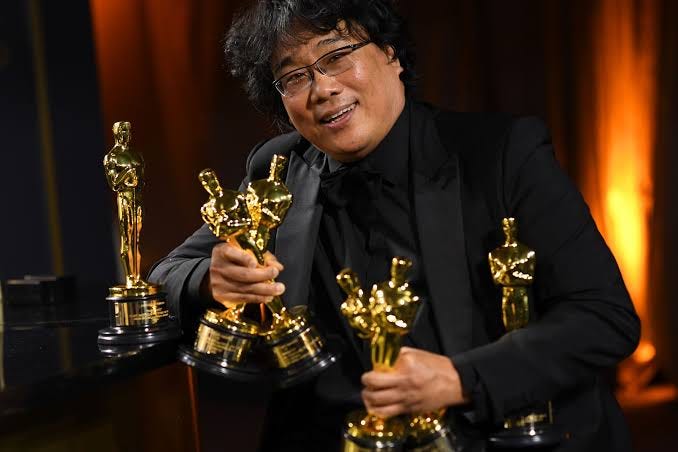
But April Reign clearly did not have Bong Joon Ho in mind when she created #OscarsSoWhite after Selma. In spite of the cloudy people of color term, she obviously wanted more Black American prestige films nominated.
What Boone Isaacs delivered instead, was a voting body that awards Korean class satires and Spanish-language, French transgender crime musicals.
After Peck’s 1970 purge, The Oscars’ television audience generally grew during the 1970s, with several broadcasts ranking among the most-watched in the ceremony’s history. Viewership regularly exceeded 45 million, peaking at nearly 49 million for the 1980 telecast honoring Kramer vs. Kramer. That was 22% of the entire country back then. This surge coincided with Gregory Peck’s efforts to modernize the Academy and its membership, but there is little evidence that the membership reforms themselves drove ratings.
A more likely explanation is the extraordinary popularity of the New Hollywood era, when commercially successful and culturally dominant films such as The Godfather, One Flew Over the Cuckoo’s Nest, Rocky, Star Wars and other American films made the Academy Awards a genuine mass-market event.
Did Boone Isaacs’s great dilution at least revitalize The Oscars, like in 1970? Let’s look at the viewership numbers:
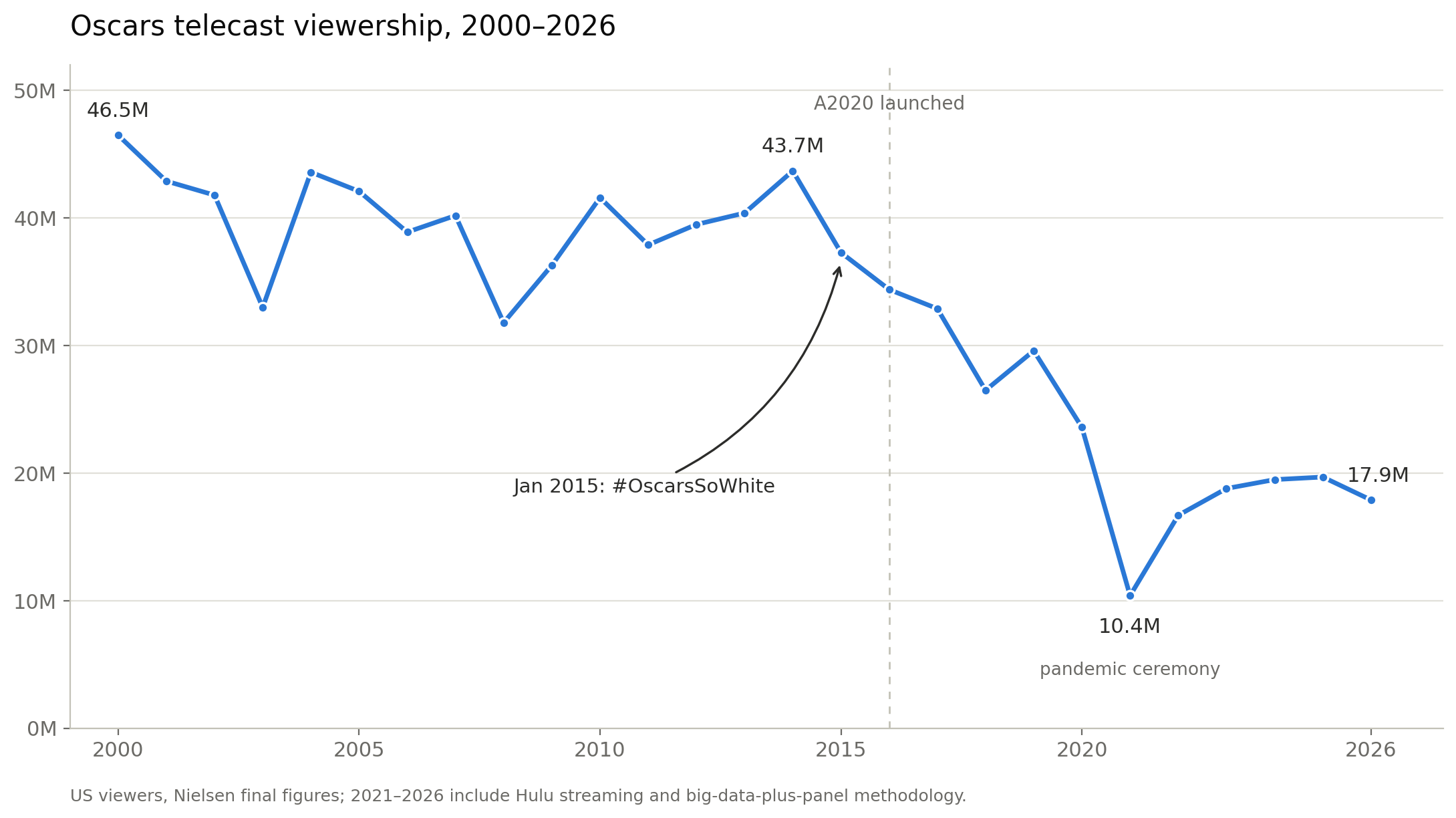
With our current population of roughly 342 million, that means about 5% of Americans watch the Oscars, less than a quarter of its peak. And why should they? Fewer and fewer popular films, American films, are being nominated.
This is a problem, because three-quarters of the Academy’s revenue comes from the Oscar TV rights. The whole reason the Best Picture Oscar expanded to ten entrants in 2009 was because, after The Dark Knight’s snub, they were hoping bigger movies would bring the audience numbers back up. Instead it’s turning into an international arthouse festival.
But perhaps the Great Dilution at least helped Black actors, which was what started all this?
How Did Black Creatives Fare After #OscarsSoWhite?
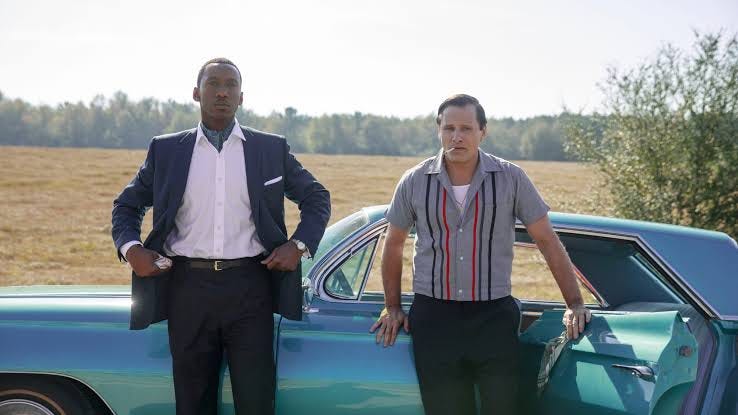
The decade since Moonlight has produced a troubling pattern: Black performers now win at the Oscars — but almost always in the supporting categories. Mahershala Ali repeated in supporting for Green Book (2019) alongside Regina King; then came Daniel Kaluuya (2021), Ariana DeBose (2022), Da'Vine Joy Randolph (2024), and Zoe Saldaña (2025) — a near-annual ritual.
Only two Black performers have won a lead acting Oscar since 2017: Will Smith in 2022 and Michael B. Jordan in 2026 — and no Black woman has won Best Actress since Halle Berry in 2002, a drought that survived the entire diversity revolution intact.
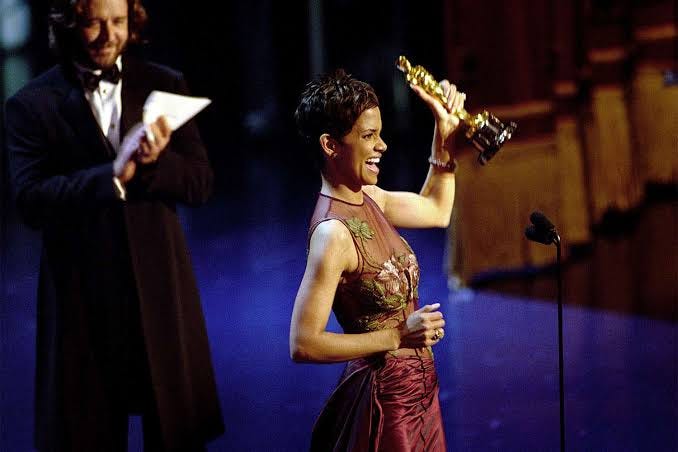
Berry, after over a decade had passed without another Black Best Actress joining her, reflected on what it meant in 2016:
“When I said [in my Oscar speech] that the door tonight has opened, I believed with every bone in my body that this was going to incite change, because this door, this barrier, has been broken. And to sit here almost fifteen years later, and knowing that another woman of color has not walked through that door, it’s heartbreaking. It’s heartbreaking because I thought this moment was bigger than me. And it’s heartbreaking to start to think, maybe it wasn’t bigger than me.”
That interview was now ten years ago. To this day no Black director has ever won Best Director; the closest call came this year, when Ryan Coogler's Sinners entered the night with a record-shattering sixteen nominations and left with four wins — Jordan's acting win and Coogler's original screenplay among them — while Best Picture and Best Director went to Paul Thomas Anderson.
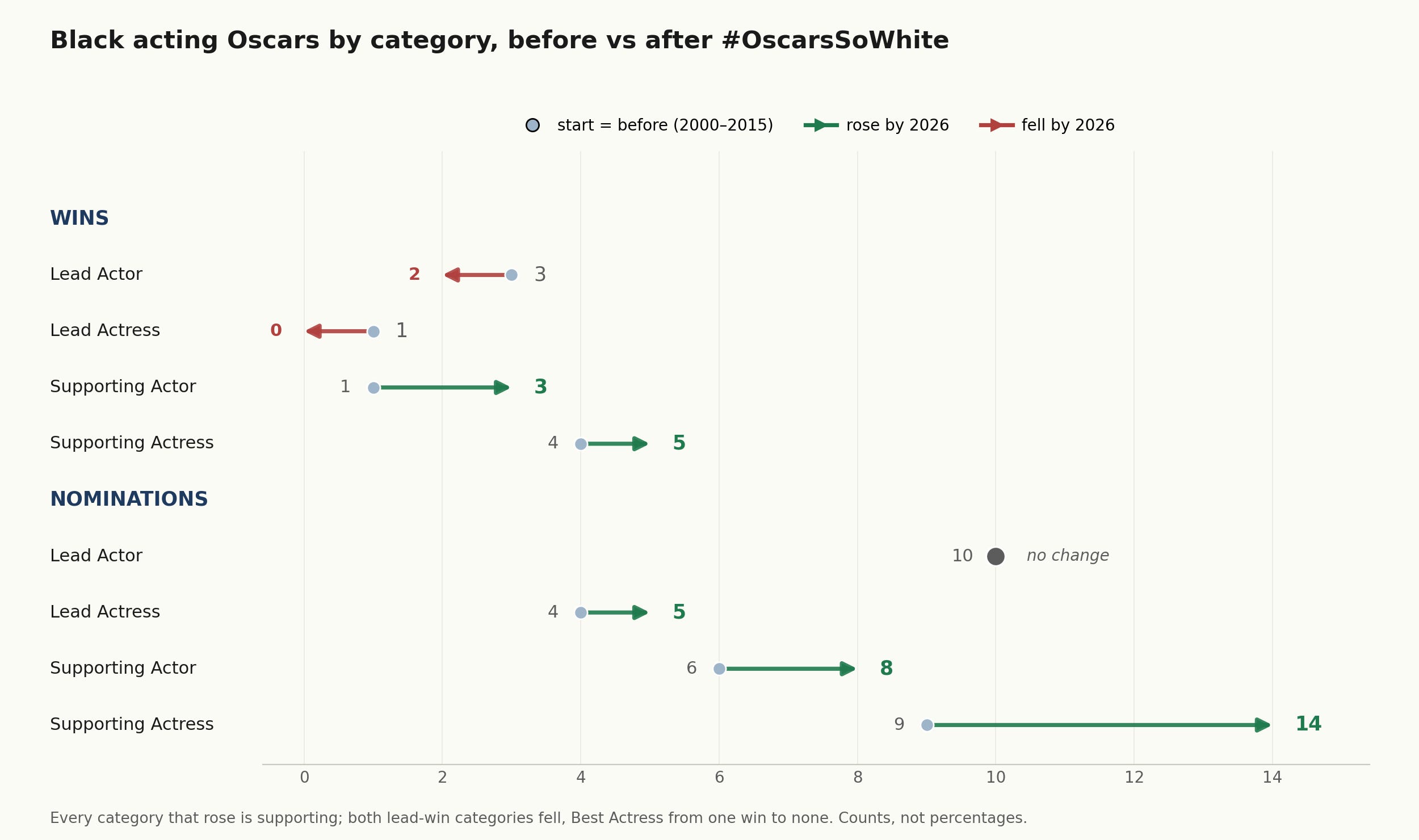
Break the post-hashtag gains apart by category and the increase is bottom-heavy. Black lead nominations barely moved, while supporting nominations climbed, particularly Best Supporting Actress. Every additional Black acting win after #OscarsSoWhite came in a supporting category, offset by fewer wins in the lead categories.
The supporting-category loop was not created by A2020. Forest Whitaker's 2007 win was followed by fourteen consecutive ceremonies without a Black lead-acting winner — a stretch that produced eight Black acting wins, every one of them supporting, and that ran straight through #OscarsSoWhite and A2020 without interruption until 2022.
The revolution Cheryl Boone Isaacs spearheaded — growing the Academy to nearly twice its former size, expressly to answer a Black American grievance — has given Black performers two lead acting Oscars in ten years.
The overwhelmingly white Academy of the 2000s handed out four.
Black Actors were relegated to the same supporting-actor-loop as they were in the pre 2000s Hollywood, with more nominations, of course.
An Entirely Performative Fight For Diversity
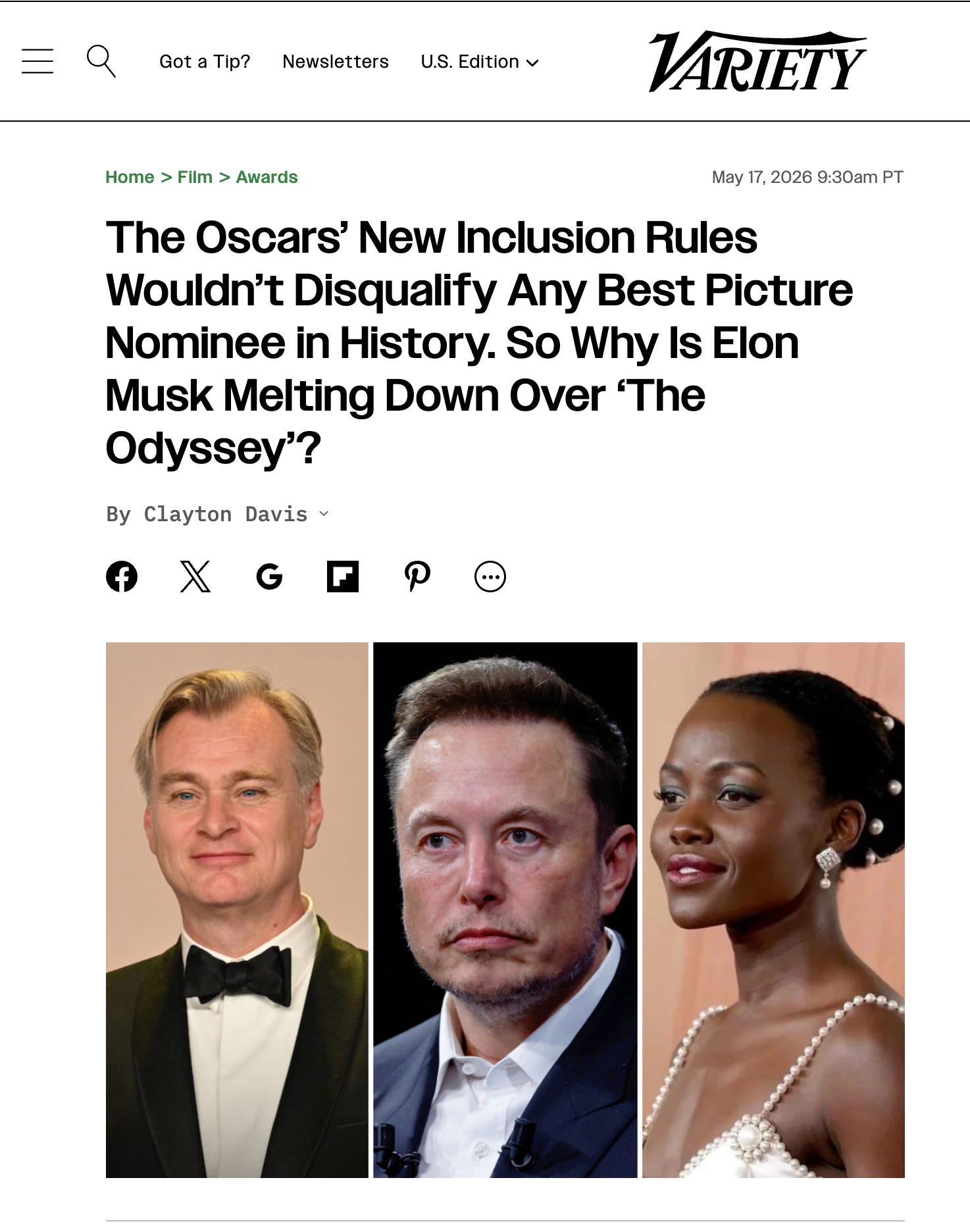
While Elon Musk and other right wingers have projected outrage onto RAISE, the Academy’s new diversity and inclusion standards, it’s mostly overblown. The Representation and Inclusion Standards (RAISE) were announced in September 2020 and enforced beginning with the 96th ceremony in 2024. They require Best Picture contenders to meet just two of four criteria.
Standard A covers on-screen representation, but a film can bypass it entirely via Standard C (paid internships and training opportunities) and Standard D (diversity among marketing and publicity executives) — categories that describe the existing staffing of every major studio and most established distributors.
Standard B requires that at least two creative leadership positions or department heads, from a list of fourteen categories, come from underrepresented groups, and at least one of those must be from an underrepresented racial or ethnic group.
And even more blatantly, the reason a film from 1940, when Hattie McDaniel, the first Black Oscar winner, sat at a segregated table against the back wall, qualifies now is because eligibility is determined using the current submitting company’s present-day workforce and policies rather than the historical production itself. For re-releases or legacy titles submitted today, compliance is evaluated using the current submitting company’s present-day policies and workforce. They’re basically just glossing over the decades of exclusion.
While the standards are relatively lax for studios, several films — including studio product like Sonic 3, but also indies and foreign-language titles — now no longer qualify for Best Picture. In 2025, 36% of Oscar-qualifying films were ineligible. As World of Reel reported:
It should be noted that of the disqualified films, we’re not looking at any serious contenders for Best Picture. Among the titles excluded, there’s “Madame Web,” “Harold and the Purple Crayon” and “Sonic 3.” Then again, you also have respectable films disqualified, like Andrea Arnold’s “Bird,” Anna Kendrick’s “Woman of the Hour,” Magnus Von Horns’ “The Girl With the Needle,” Matthew Rankin’s “Universal Language,” and Michael Keaton’s “Knox Goes Away.”
Standards C and D measure internship programs and diversity among marketing, publicity, and distribution leadership—not what appears on screen or who made the film itself. In practice, they largely measure whether you’re a sufficiently large organization. A company like Sony clears them by existing. A small independent distributor releasing Andrea Arnold's Bird may not.
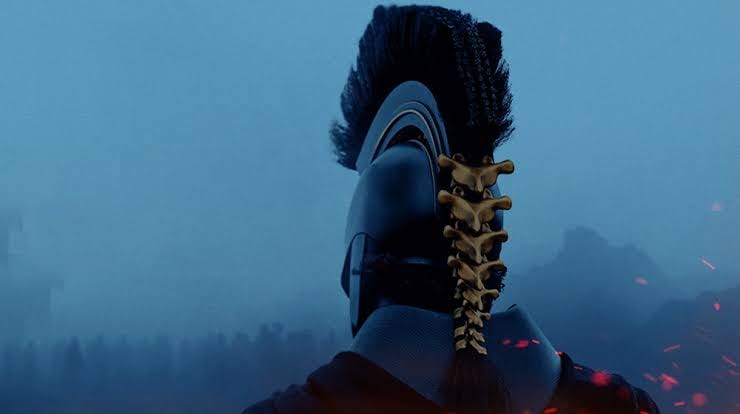
There’s a final irony in the box office numbers. Selma and Moonlight (with 7.5% of Selma’s budget) finished their theatrical runs with nearly identical worldwide grosses — roughly $67 million and $65 million — but the composition of those totals could not be more different. Selma earned about $52 million of its money at home, a story embraced by Black American audiences whose exclusion the hashtag was built to protest; it barely traveled overseas.
Moonlight inverted Selma’s ratio: just $28 million domestic, with more than half its gross supplied by the international arthouse circuit. The same $65-odd million, drawn from opposite constituencies. Selma, the film #OscarsSoWhite championed, found its audience in the exact demographic the movement claimed to represent.
Moonlight, the film the Academy awarded, found its audience abroad.
Coda
This March, ten years after Creed, Michael B. Jordan won Best Actor and Ryan Coogler won Best Original Screenplay for Sinners — which took four Oscars in all, including a history-making cinematography win for Autumn Durald Arkapaw.
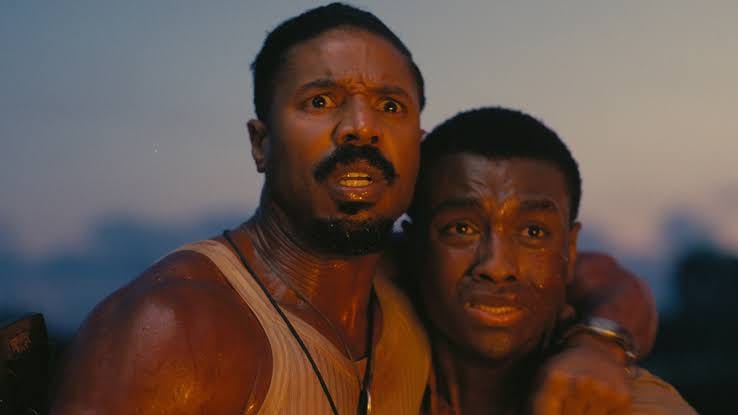
No boycotts or hashtags were required. All it needed was what had been missing in 2015 and 2016: a finished film with screeners, a campaignable movie star, a major studio, and a marketing budget — plus the one thing no activist can conjure, hundreds of millions of dollars in ticket sales ($369m to be exact).
Sinners wasn’t nominated because of a protest; it was nominated because Warner Brothers produced a Black-directed original blockbuster, hit their deadlines, and campaigned it like one. Whether a more American Academy would have handed it Best Picture over One Battle After Another is impossible to know — but it’s telling that after a decade of diversification, the question even needs asking.
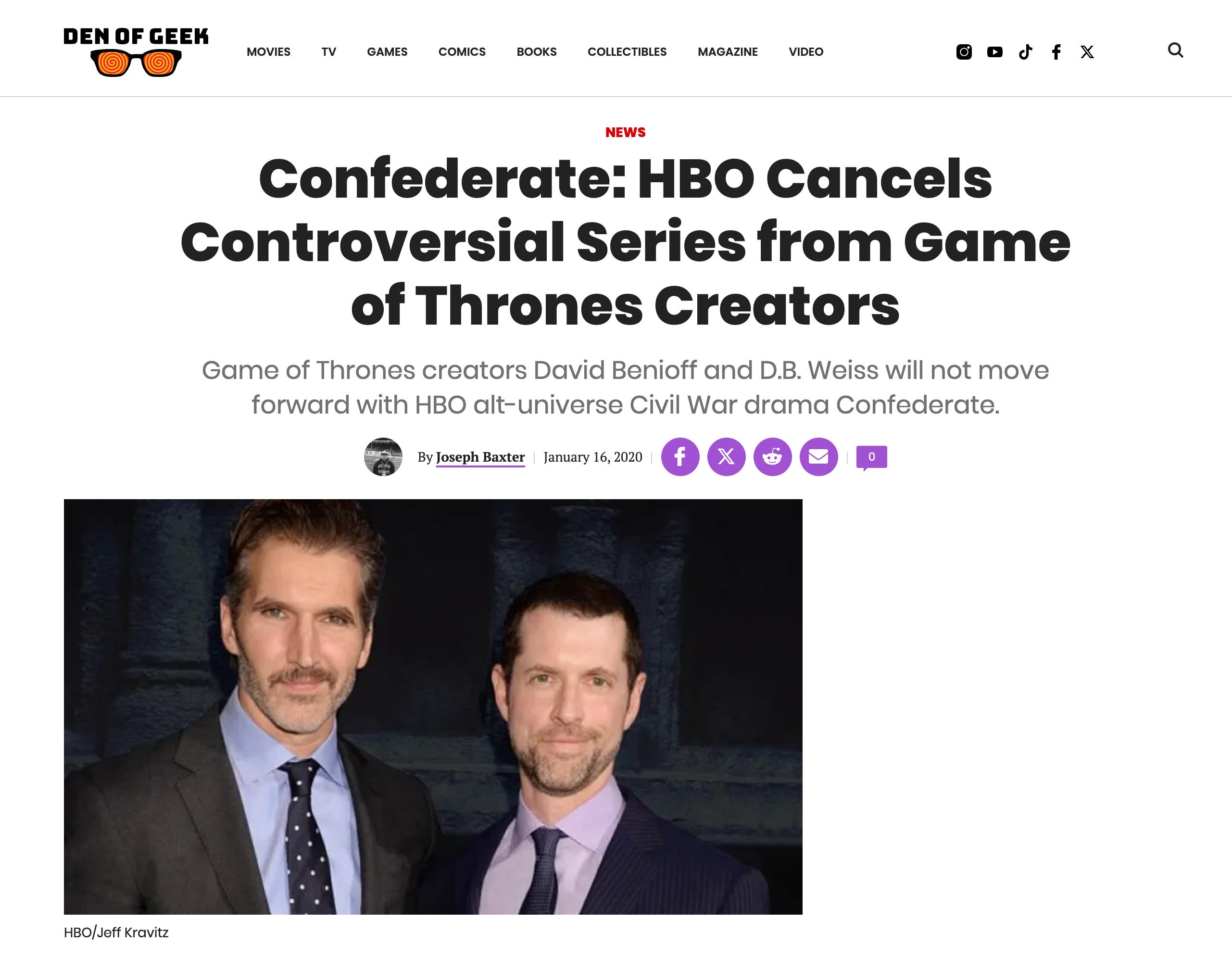
After #OscarsSoWhite, Reign moved from one activist campaign to the next. She helped shelve Confederate, the Game of Thrones creators’ alternate-history series — a show with two Black co-creators, which died before a single script was written. Hollywood announces projects in the trades long before they exist, creating a soft target. An industry where social media campaigns can end shows in the womb is an industry that has even less risk, the lifeblood of art, at its disposal.
Where Are They Now?
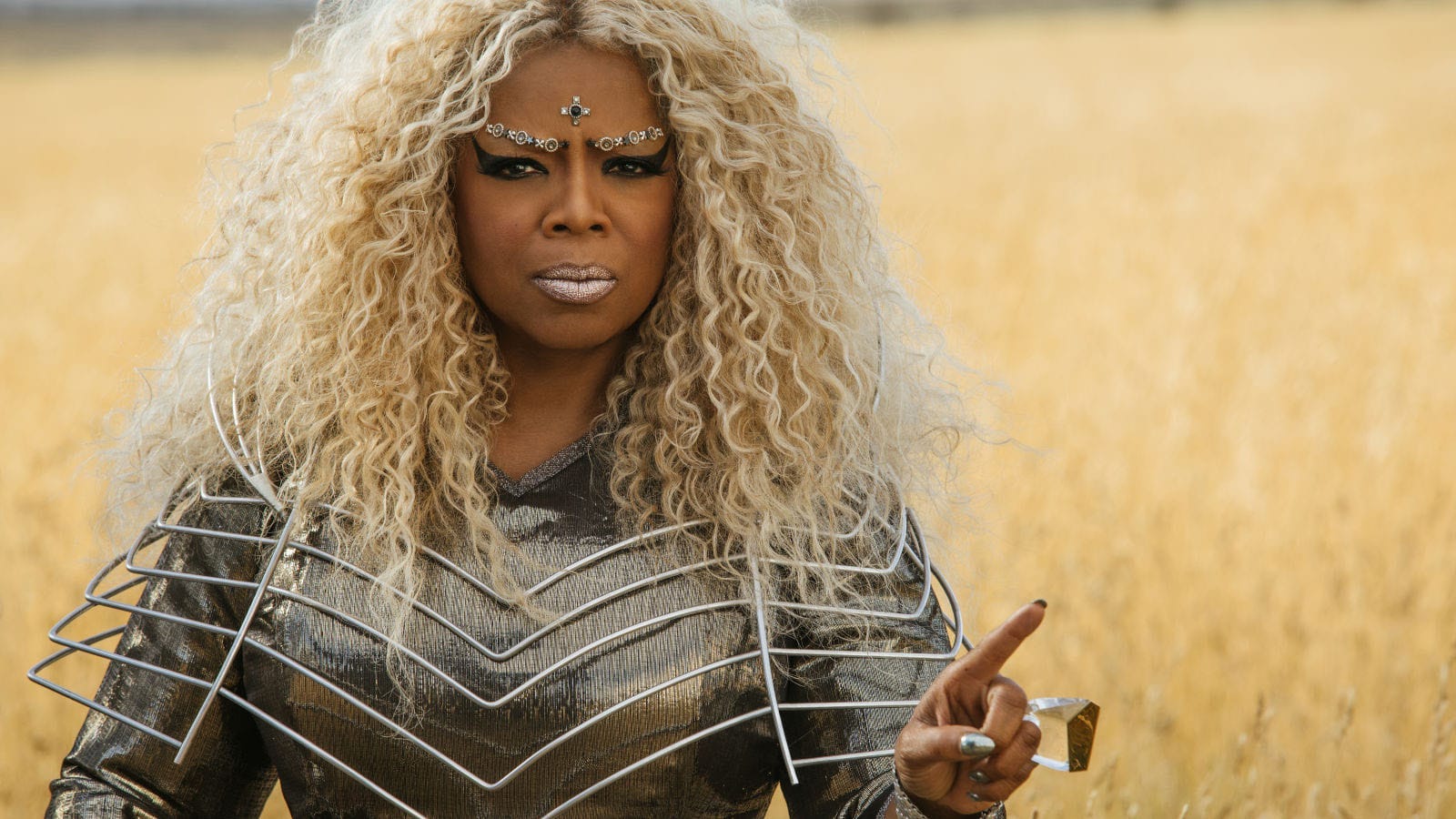
DuVernay went on to an Oscar nom for her social justice documentary the 13th, and afterwards, with A Wrinkle in Time, became the first Black woman to direct a film with over $100m budget. Unfortunately, the movie became one of the biggest bombs of all time, losing Disney an estimated $152m. She has since moved into more critically acclaimed, social justice fare like the excellent, Emmy-winning When They See Us, and Venice-premiering Origin.
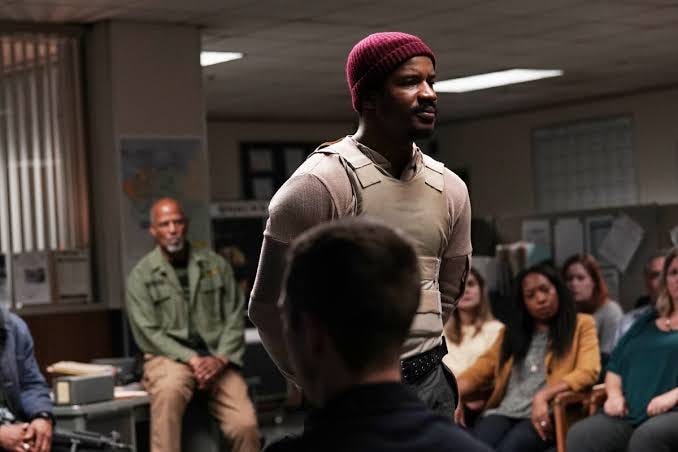
Nate Parker managed to make another film, American Skin, and premiere it at Venice, but has largely drifted into obscurity.
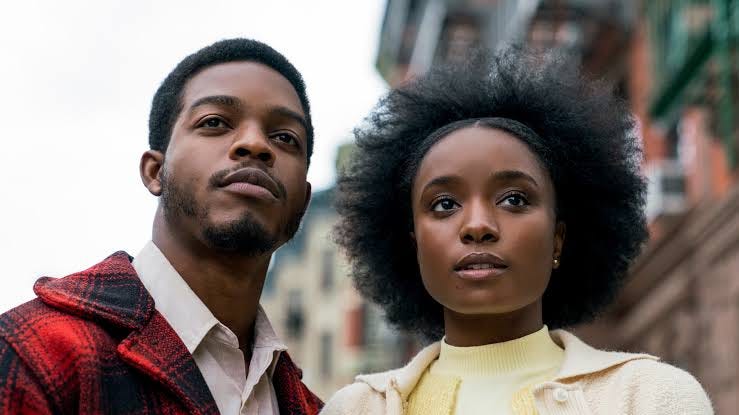
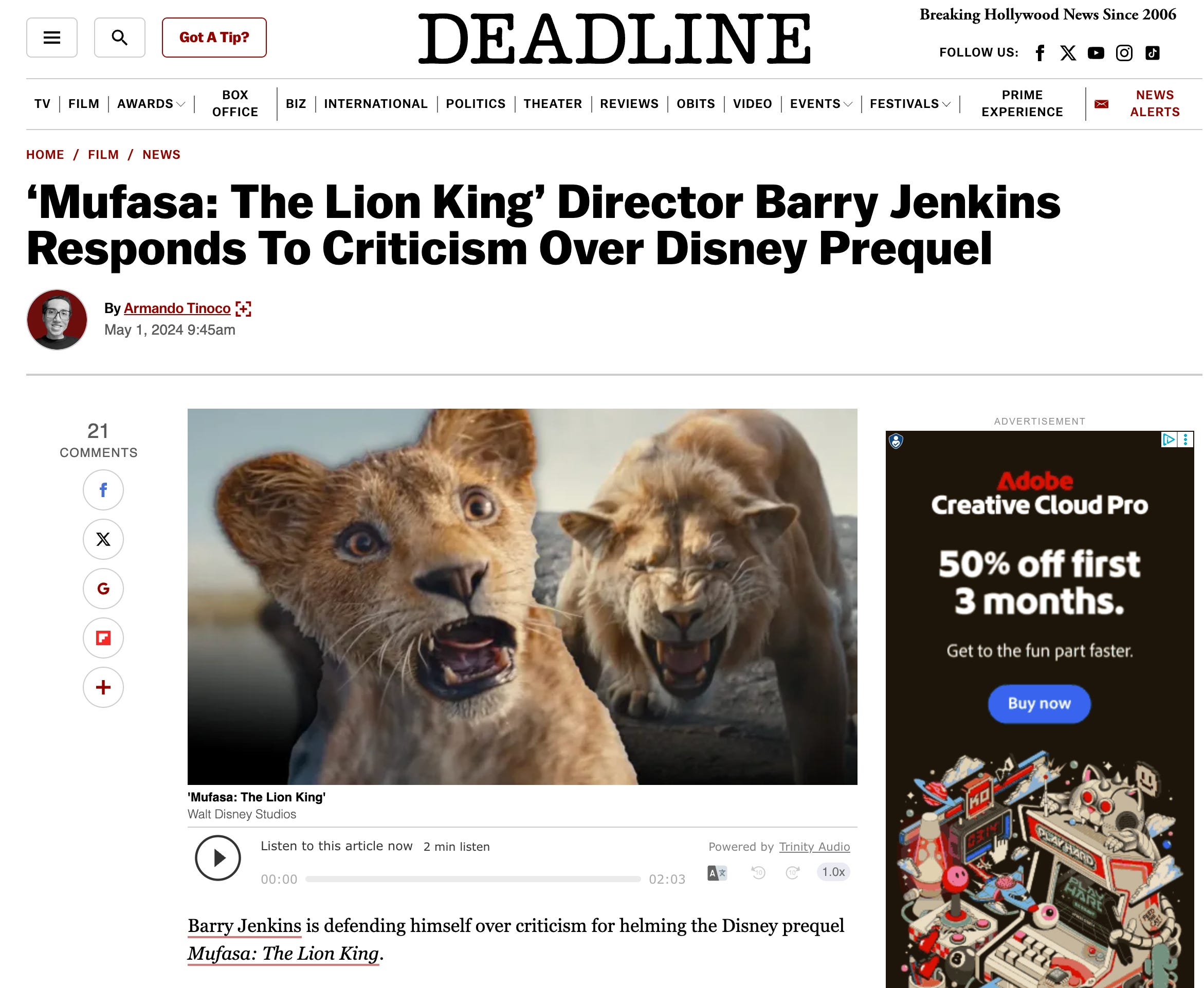
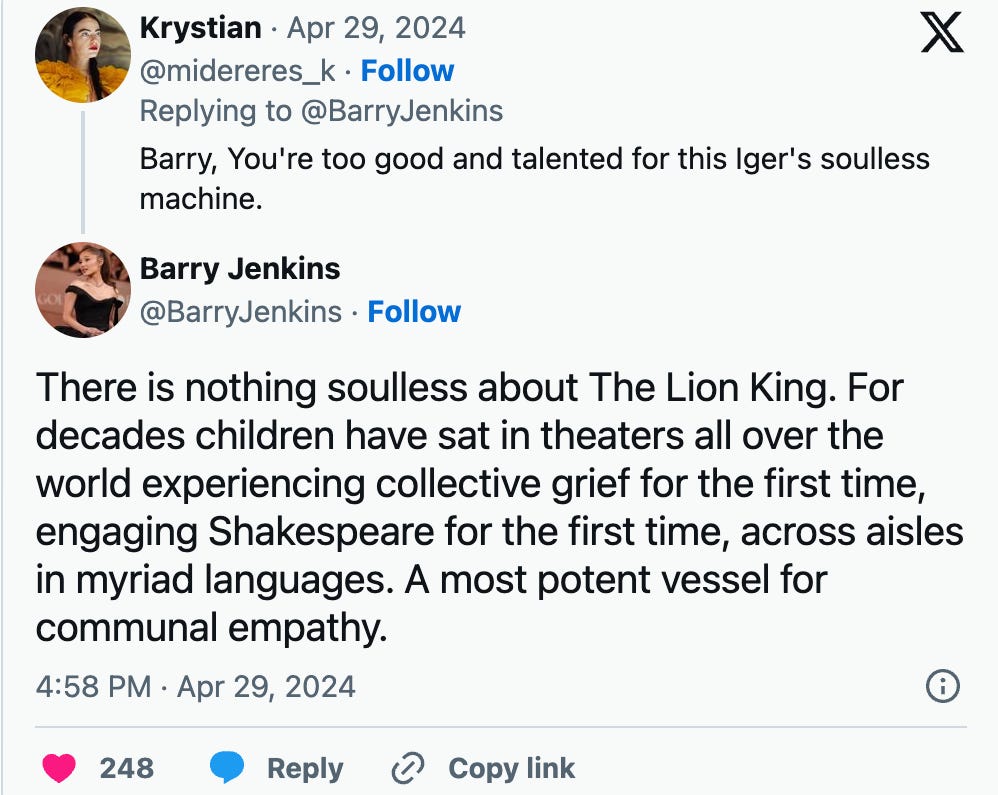
Barry Jenkins made the well-received, Oscar-nominated If Beale Street Could Talk, then the criminally-underseen Underground Railroad for Amazon. After his Amazon project, it seems he decided to finally stop being poor, and made a Lion King prequel — for which his Moonlight fans (honestly, a bit justifiably) gave him no end of shit.
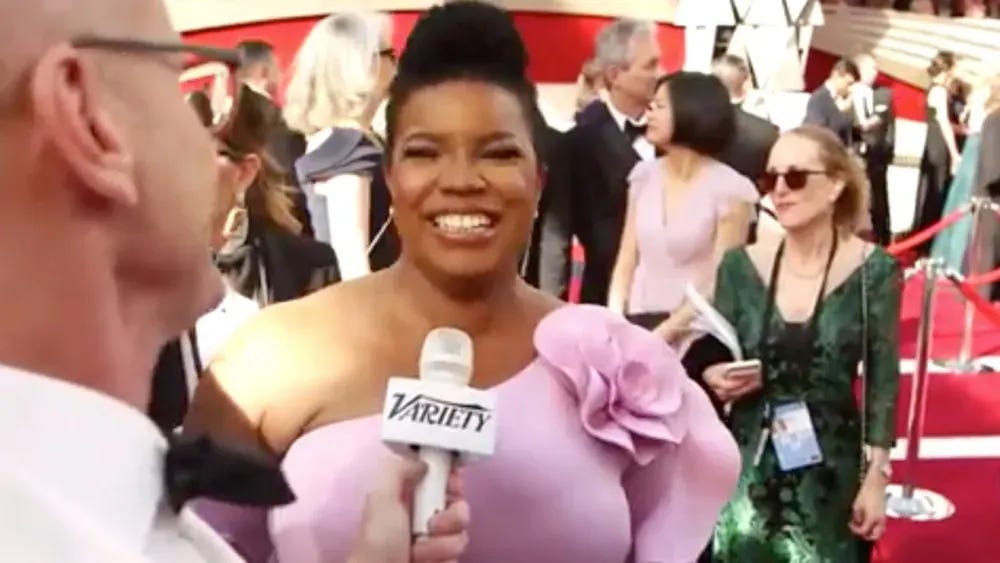
Today, Reign works as a strategic communications consultant. Four years after creating the hashtag that transformed the Academy, she finally attended the Oscars herself in 2019.
Spike Lee said he believes his 2019 Best Director nomination for BlacKkKlansman would not have happened without #OscarsSoWhite.
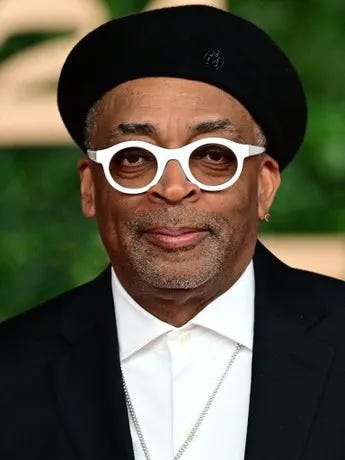
He lost that year to Mexican filmmaker Alfonso Cuarón, whose win for Roma marked his second Best Director Oscar — and whose film became the first in a new era of non-English-language Best Picture nominees that were, in many ways, the ultimate beneficiaries of #OscarsSoWhite.
The Academy set out to resolve a complaint about Black American representation, and it ended up bringing in the world.
The Twitter era really gave enormous power to a certain kind of resentful person with way too much time on their hands.
Bravo. Thank you for all this work.