

Promising Young Director
Hollywood elevated a new generation of women. The results are more complicated than anyone hoped.

In The Permanent Correction, I wrote about how some film festivals began a campaign of favoring female filmmakers over their submission numbers. The campaign began at Sundance in 2013 and soon spread across the top five festivals (Cannes, Venice, Toronto, Berlin). It has been going on for over a decade now, so how has it played out at the highest levels of the industry?
We are regularly exposed to grim headlines like this one from the Annenberg Institute’s 2025 report, which found that “looking at the top 100 grossing films of the year, the report notes that only 9 women worked as directors on these movies, representing 8.1 percent of all directors on these films. This is a drop from 2024’s 13.4 percent and is the lowest since 2018’s 4.5 percent.” Notably, “Across its 2024 slate, women accounted for 20.5 percent of the directors of Netflix movies.” So streaming is slightly less dire.
I find these reports, which originate mostly at USC and UCLA, difficult. Yes, we know there are fewer female than male directors in Hollywood, but we spend a lot less time on why.
Why are there still so few top performing female directors?
After over a decade of pushing women at every level, from film schools to film festivals, shouldn’t this number have gone up? There are also now at least a handful of female directors who have gotten massive studio franchise movies, so how have they done?
And how do we measure success at all?
This article will look at the two biggest, clearest measures of money and prestige…
The Box office
The Directing Oscars
And how the two compare. This is admittedly a small sample size, but let’s see what we can learn.
The Box Office
Let’s start at the very top, the highest grossing filmmakers of all time. These numbers are slightly dated, but I enjoyed the graphic and the rankings haven’t really changed since then. Important to note that these numbers are not inflation adjusted, which would actually make the gender disparities worse in favor of men.
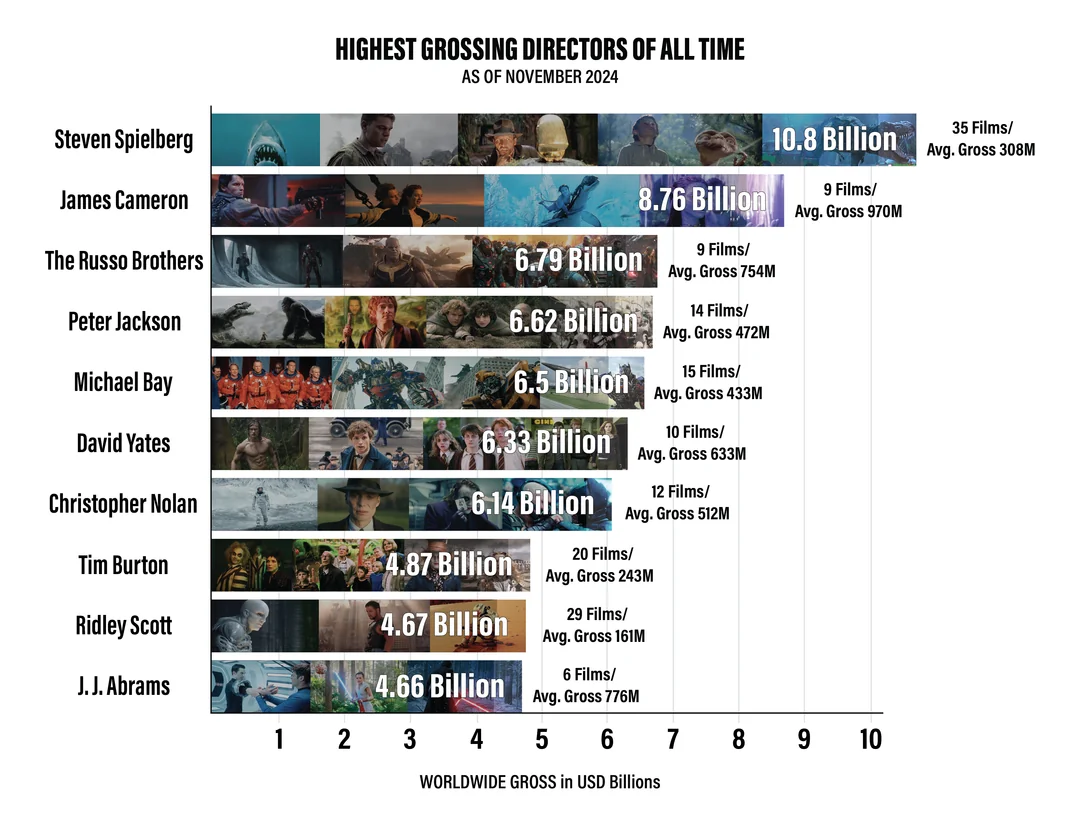
These are all solo-directing men, who’ve all directed multiple successful entries in large IP franchises (Avatar, Batman, Harry Potter, Jurassic Park, Lord of the Rings, Transformers, Avengers, etc.).
The formula is obvious: to be a very successful director financially, you have to identify, or generate your own live action IP franchise that has multiple hit entries.
Now, let’s look at the highest grossing women directors.
The first female director to make the list is Jennifer Lee of Frozen, at #48. It’s difficult to use her because she codirected both Frozen movies with a man, Chris Buck. Her entire career as a director thus far consists of two completed Frozen movies, and two upcoming sequels. Unlike the men ahead of her, she has no solo directing credits. But she is the only female director in the top 100. If we only use solo-directing women, the numbers fall so far as to look catastrophic.
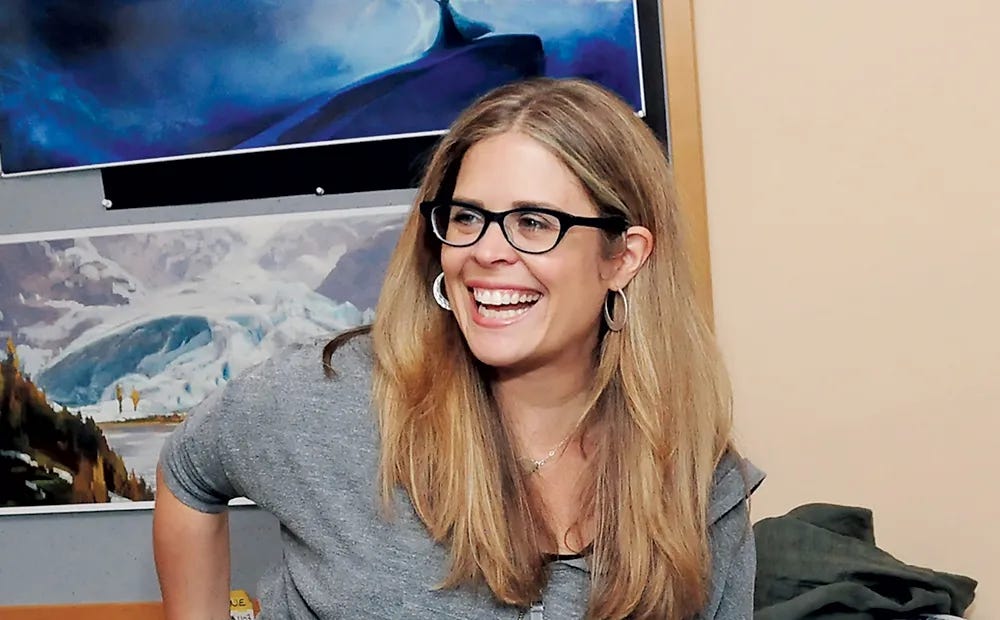
(48 overall) Jennifer Lee $2,720,906,734 | 2 Films | $1,360,453,367 Average
(102 overall) Greta Gerwig | $1,746,632,344 | 4 Films | $436,658,086 Average
(103 overall) Lana Wachowski, $1,475,285,846 | 7 Films | $210,755,121 average.
*Wachowski is also tough, because she is a trans woman.
(145 overall) Nancy Meyers | $1,351,418,684 | 6 Films | $225,236,447 Average
(166 overall) Jennifer Yuh Nelson | $1,223,388,200 | 3 Films | $407,796,067 Average
*Yuh codirected Kung Fu Panda 3, with a man.
(180 overall) Anna Boden | $1,137,804,364 | 5 Films | $227,560,873 Average
*Boden is another codirector, this time with Ryan Fleck.
(181 overall) Patty Jenkins | $1,056,764,765 | 3 Films | $352,254,922 Average
(210 overall) Betty Thomas | $1,016,552,451 | 7 Films | $145,221,779 Average
(240 overall) Nora Ephron | $877,802,434 | 7 Films | $125,400,348 Average
(299 Overall) Phyllida Lloyd | $697,267,580| 3 Films | $232,422,527 Average
This is admittedly imperfect, and skewed by both women who co-directed with men (numbers 1 and 6) and trans women (number 3). Half of the top 6 directors fall into this category. Without co-directors and trans women the numbers would be much, much worse.
Some Observations:
The men dramatically outperform on average: $526m per film versus the women’s $372m per film. But they’ve also directed more films. Again, we have to account for the fact that the highest grossing woman co-directed her films with a man. If we were to remove Jennifer Lee and replace her with Anne Fletcher, the next solo director on the list, the average would drop by another $32m.
All of these directors also have outlier films that drive up the averages, like Avatar for James Cameron, Jurassic Park for Spielberg, Barbie for Greta Gerwig, and Captain Marvel for Boden, respectively.
The female success stories: Frozen, the Kung Fu Panda sequels, What Women Want (Nancy Myers’s #1), Mamma Mia (Phylidia Lloyd’s #1), You’ve Got Mail (Ephron’s #1), tend toward animation and romantic comedy, with Barbie classified as a comedy, but close to a romantic comedy as well. These generally have lower budgets, and, sadly, the romantic comedies are mostly from a bygone golden era of the 90s and 2000s. Comedy also tends to play better nationally than internationally, as it’s heavily cultural, likely why we’ve never seen a $1b comedy outside Barbie.
So if large, live action franchise films are how directors build the biggest box office runs, this raises another interesting question: How do women perform when given the most expensive franchises on the planet?
The Big Studio Question:
Do women do better with big, live action franchises than men? Let’s have a look.
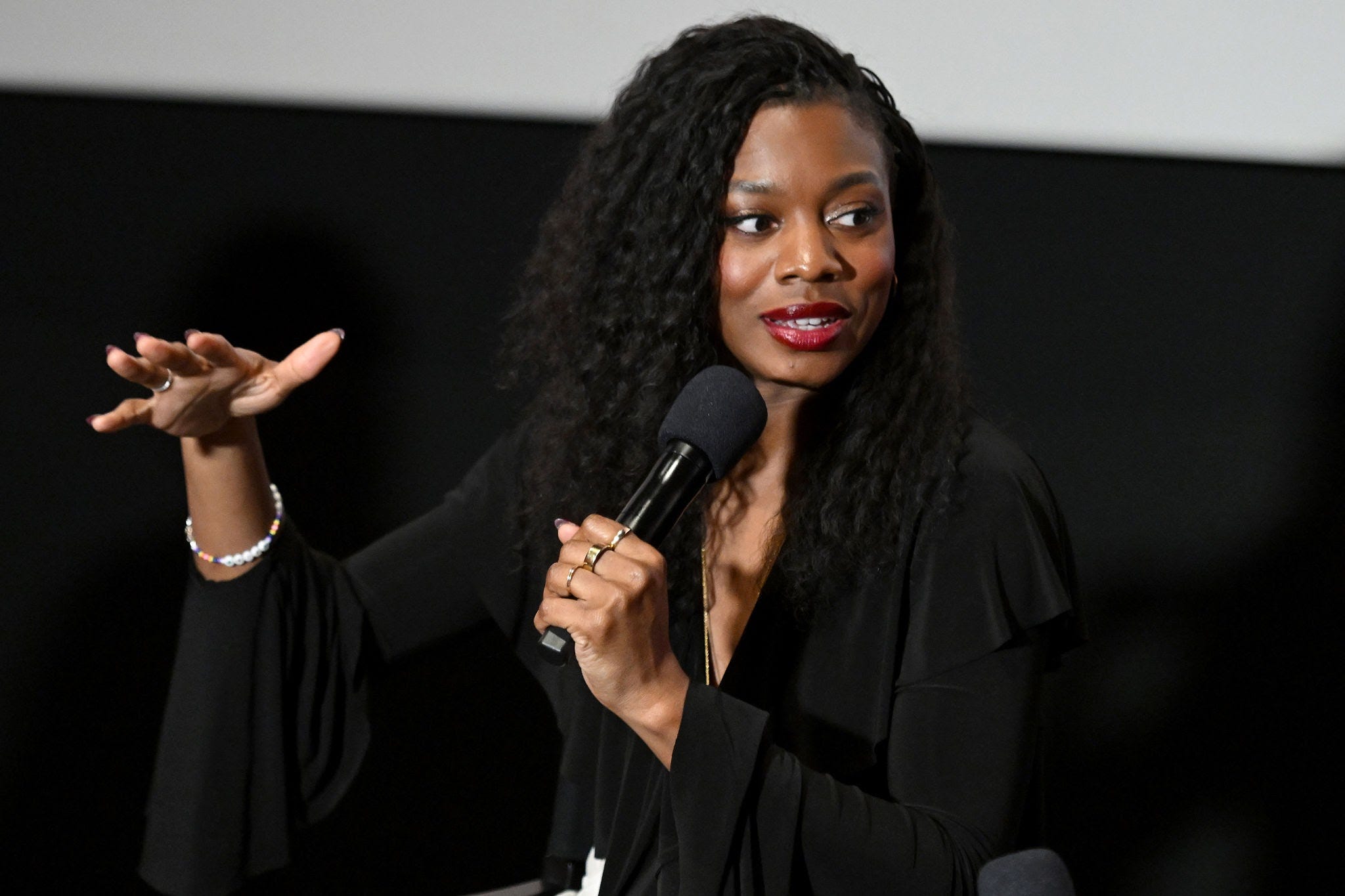
There are three women who’ve solo directed Marvel movies:
Nia DaCosta, director of the Marvels in 2023.
Chloe Zhao, director of the Eternals in 2021.
Cate Shortland, director of Black Widow in 2021.
Each of these films shared the average budget for a marvel movie of $200m, except for the Marvels, which had a significantly higher budget of $270million. What were the returns?
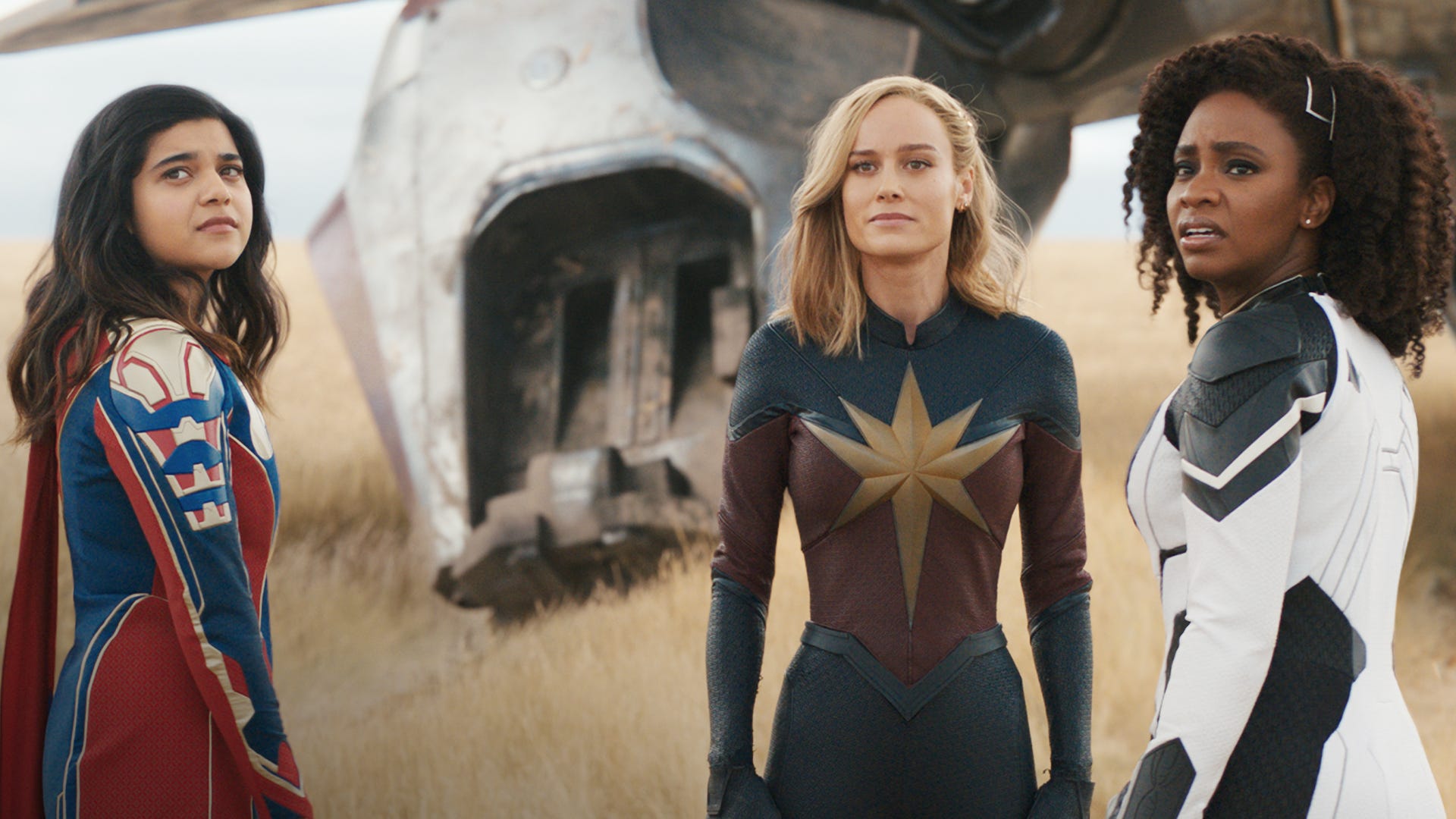
The Marvels is the worst performing film in Marvel history, with $206m (76.5% below the Marvel average).
Black Widow is the 4th worst performing film in Marvel history, with $378m (56.8% below average).
Eternals is the 6th worst performing film in Marvel History, with $402m (54.1% below average). It is also the worst reviewed Marvel movie, with just a 47% on Rotten Tomatoes (more on critics and gender in another post).
Averaged out, these movies grossed 62.3% below the Marvel Average of $875m.
Some caveats:
Black Widow was released day and date on Disney Plus, partly due to the pandemic. Subscribers did have to pay an additional $30 to see the film, which added about $80m to its box office. If we use the formula that a film needs about 2.5x its budget to account for marketing a distribution costs, that means Black Widow broke even, the best result of the three.
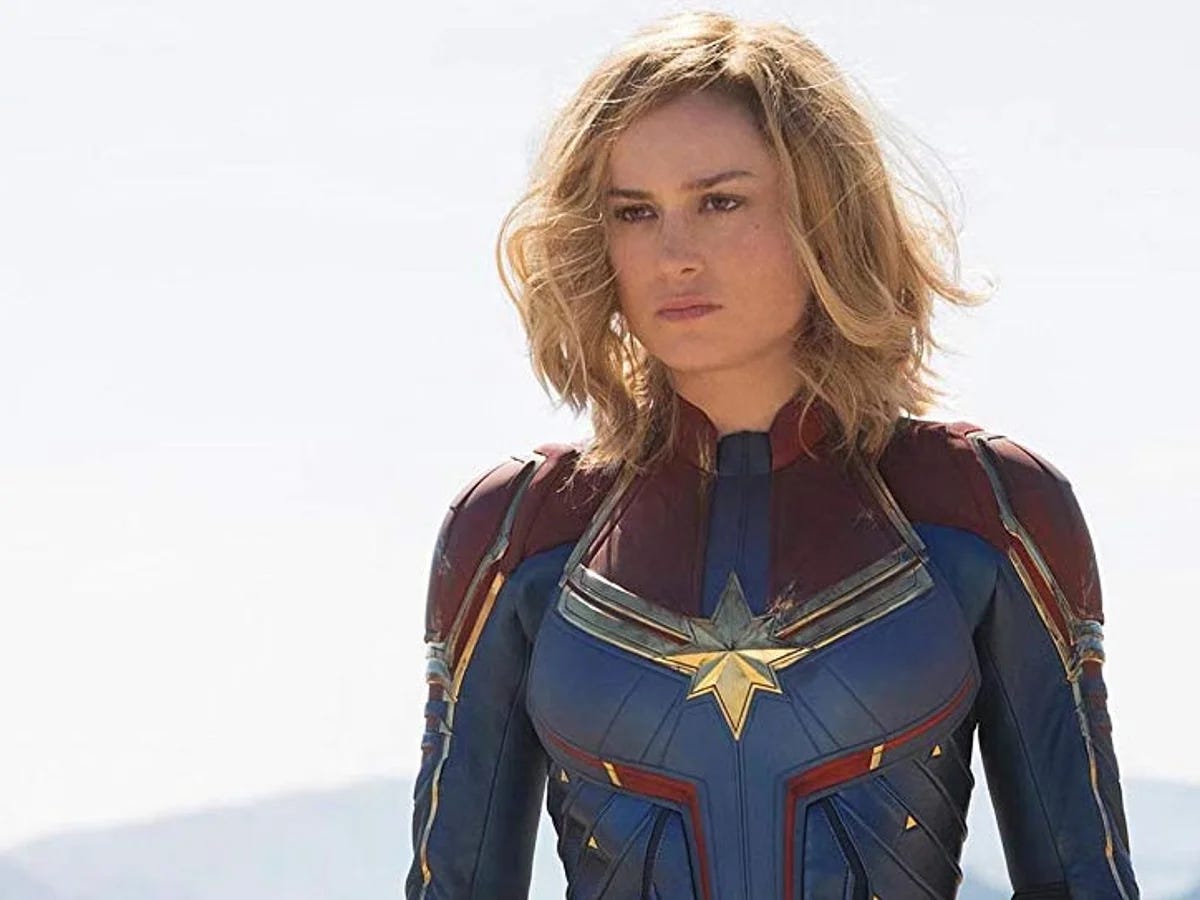
The biggest female-directed Marvel hit, not included above, is Captain Marvel. This film was codirected, so it’s a difficult comparison. But it’s worth noting that the character Captain Marvel also appears in the Marvels, which is the worst performing Marvel film of all time, and likely generated an almost half a billion dollar loss for Disney. The Marvels is budgeted like a half Avengers movie, in keeping with its team-up superhero concept.
Let’s now look at the women who’ve solo directed DC movies.
In the DC universe, there are only three solo female-directed films.
Patty Jenkins is an interesting case, having directed one of the most successful (#3, Wonder Woman, $823m) and least successful DC movies Wonder Woman 1984 (4th least successful, $170m). With her two movies at just above average for DC movies ($496m vs $480m), she is the only woman to surpass or even meet the franchise average. With the aforementioned WW84 release caveat, she likely would have exceeded it.
Again, we have to give the caveat for WW84 that it was released day and date streaming on HBO Max, this time for no additional fee, which certainly brought down its numbers. Regardless, the critics scores were much lower, and the film likely would have gotten not much more of a boost without streaming. It certainly would have performed at least marginally better, on the order of an additional $100m.
It’s also worth noting that Jenkins, like Anna Boden, is Gen X, unlike her Marvel counterparts (outside of Cate Shortland), and is in many ways from a different Hollywood era. It’s the millennial females that have struggled the most, while Gen X have delivered the only hits (Captain Marvel and the first Wonder Woman).
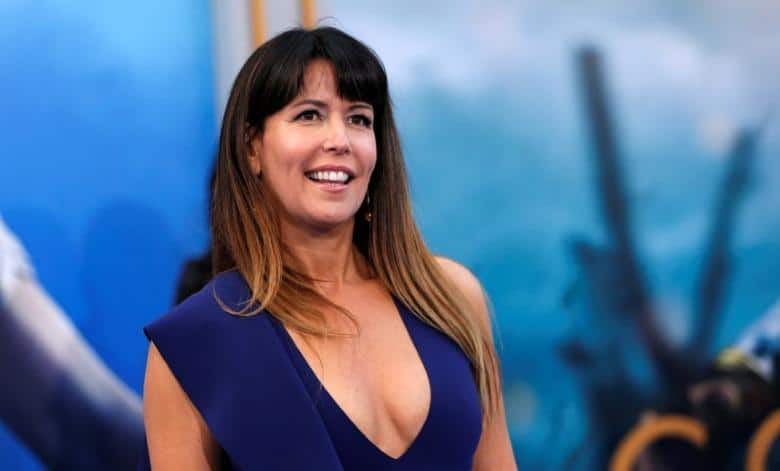
Cathy Yan, plucked out of Sundance, is the only other female director in the DCEU. Her film, Birds of Prey, is the 5th worst performing movie in the DCEU, grossing just $205m against a $97m budget, which means, accounting for marketing and exhibitor costs, it did not earn back its budget. But it’s also worth noting that it was the cheapest DCEU film in the franchise, and while its performance was disappointing, it was not a catastrophe like The Marvels.
Together the 3 female-directed DCEU movies averaged $398m per film, underperforming the average by 17%. This is significantly better than the Marvel directors, but still not very encouraging. With the extra money from aforementioned WW84 release though, they would likely break even.
We can’t use other major franchises like Star Wars (no female directors), Harry Potter (no female directors), or Twilight (a women only directed the first one). I do suspect television has a lot more women now for many reasons that I may address in another post, but there is no straight box office for television, which makes it harder to compare.

Greta Gerwig did have a massive success with Barbie, a very female coded IP that straddles the romantic comedy genre, but her Narnia films have not been released yet. If those succeed on the same level as Barbie, she would be the only female director to make two successful live action franchise films in a row, and the only millennial female to make a solo directed box office smash ($1b plus). One problem with verifying Narnia’s success will be its Netflix release, which makes box office a largely irrelevant metric for measuring a film’s success.
The Men:
Those are the new generation of female marvel directors. How did the new men do? There are several new men who joined the Marvel universe straight out of the indie sphere:
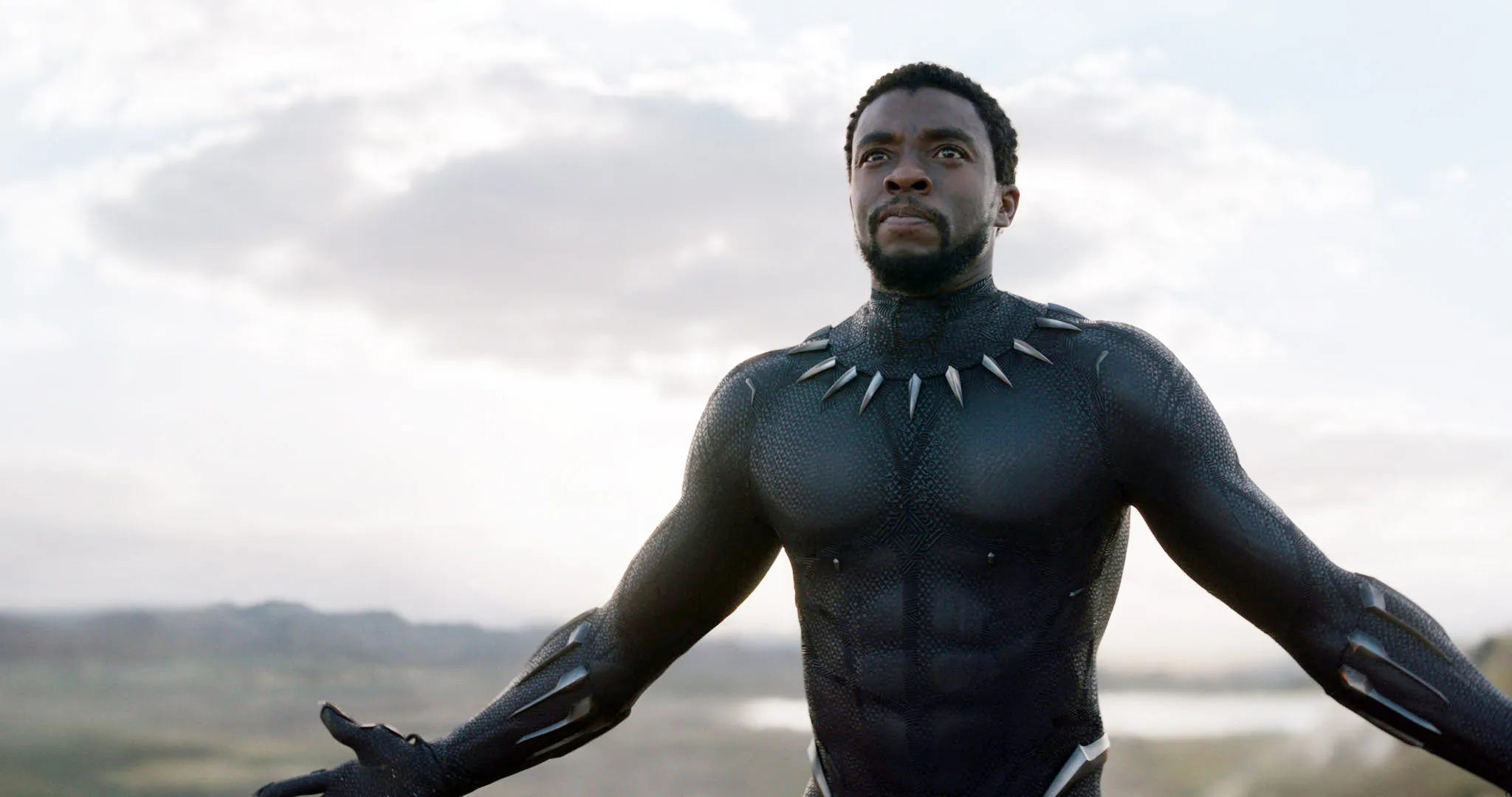
Ryan Coogler (fresh from Creed): Black Panther | $1.3B (massive hit).
Jon Watts (indie director): Spider-Man: Homecoming | $880M (huge hit).
Taika Waititi (indie director): Thor: Ragnarok | $854M (huge hit).
Destin Daniel Cretton: Shang Chi | $432m (relative flop)
Julius Onah: Captain America 4 | $413m (flop)
A mixed bag, but some genuine hits, and one true blockbuster (with a successful sequel) nonetheless. One could say these men did not direct sequels right out the gate, but Black Widow and The Eternals were not sequels. And for that matter, both Spider Man and Thor were either reboots or sequels, so that logic doesn’t stand there either.
The only male underperformers in the first time pipeline are Julius Onah, whose Captain America sequel was a disappointment with around $413m. Cretton, like several of the women, got dinged by covid.
The two lowest-grossing male-directed Marvel films are Louis Leterrier's The Incredible Hulk (second to last) and Joe Johnston's Captain America: The First Avenger (third to last), at roughly $408m and $545m adjusted for inflation.

Put everything in the same dollars, though, and the result is mixed: Captain America still outgrosses every female-directed Marvel entry, but the Incredible Hulk lands below both Eternals (~$490m adjusted) and Black Widow (~$461m adjusted).
Franchise Conclusions:

Interestingly, we have here five first time men (Coogler, Watts, Waititi, Cretton, and Onah) and five first time women (DaCosta, Shortland, Zhao, Jenkins, and Yan).
All of the female-directed films except Birds of Prey had very similar, if not identical budgets to their male peers, and all of them except Wonder Woman (but not its sequel) underperformed against the franchise averages. It’s worth noting again that, as we saw, if the numbers were adjusted for inflation, the gaps between men and women would get dramatically worse.

It’s also worth a quick mention of the budgets: The Marvels had the fourth highest budget in the franchise’s history, and delivered the worst results. Eternals and Black Widow were solidly in the middle of the franchise budgets, with the same budgets as Black Panther, the new Fantastic Four, and many others. Outside of the much more expensive Avengers movies, women were often given larger budgets or at least similar budgets to their male counterparts.
One might think: why would Marvel and DC take another risk when five out of the six women who DID get chances all delivered bottom-tier results, including the worst performing film in the franchise? 40% of the men underperformed, but one had a massive hit, and the other two delivered very solid returns.
Only one woman in DC so far has significantly outperformed the average, Patty Jenkins, who immediately underperformed the average with her next film.
We could say that these movies were weaker properties, but weaker male-directed properties are also included in the franchise averages - including Marvel’s last Ant-Man film, Thor: The Dark World, and The Incredible Hulk.
A fair objection is that these women chose these projects — nobody forced Eternals or The Marvels on anyone. That's true, but it's true of everyone and so explains little on its own: Cretton and Onah chose their assignments too, and underperformed; Coogler chose Black Panther and broke out. The relevant variable isn't the choosing, it's what gets offered.
Everyone in Hollywood picks from the set of projects available to them, and a first-timer coming off a $5M indie isn't choosing between a tentpole and a safe mid-budget drama — they're choosing between the tentpole and not directing a studio film at all. So the structural point isn't that anyone was coerced. It's that the system extended the keys to $200M productions before the track record that usually precedes them, and some took the leap and fell. The agency is real; it's the opportunity set that was distorted.

It’s also condescending to the women; each of these women chose these projects, fought to get those jobs, and, with the exception of Jenkins's first movie, and Shortland’s likely breakeven, underperformed.
A campaign online has begun to give Nia DaCosta a second chance, but men rarely receive these as well. Louis Leterrier never made another Marvel movie after the Incredible Hulk failed. Alan Taylor did get a second chance after Thor: The Dark World bombed critically (though provided a decent box office showing) with Terminator: Genisys, another critical bomb, but this was not within the Marvel universe. Taylor has not directed another blockbuster, and since mostly returned to television. Peyton Reed, director of the relative bomb Ant Man and the Wasp: Quantumania, (but also notably the series’s more successful first two entries), has moved into television as well.
Even the Men’s more disappointing sequels still generated a far lower drop than those of their (admittedly very limited) female counterparts:
Patty Jenkins:
∙ Wonder Woman: $823M (massive hit)
∙ WW84: $170M (pandemic/HBO day and date release, but still a bomb)
∙ Spread: $653M difference
Taika Waititi:
∙ Thor: Ragnarok: $854M (hit)
∙ Thor: Love and Thunder: $760M (disappointment)
∙ Spread: $94M difference

Peyton Reed:
∙ Ant-Man: $519M (solid)
∙ Ant-Man 2: $622M (solid)
∙ Ant-Man 3: $476M (bomb)
∙ Spread: $146M difference (from peak to bomb)
The failures of these female directors also creates another problem; it’s very difficult to train big studio directors, and it’s imprudent to bet on people after a massive or even a moderate failure in that space. This is likely the reason we see few of these directors getting second chances.
The most cogent argument you can make, which DaCosta has said, is that Marvel sets up women to fail. But how would they set up women to fail worse than men? They’re the same franchises, the same executive producers as the men, who got significantly better results. It’s a bit paradoxical.
Other Potential Arguments for the disparity:
The women had weaker IP.
As mentioned, the Captain Marvel sequel was coming off a massive hit with an even bigger production budget and an Oscar-winning actress.
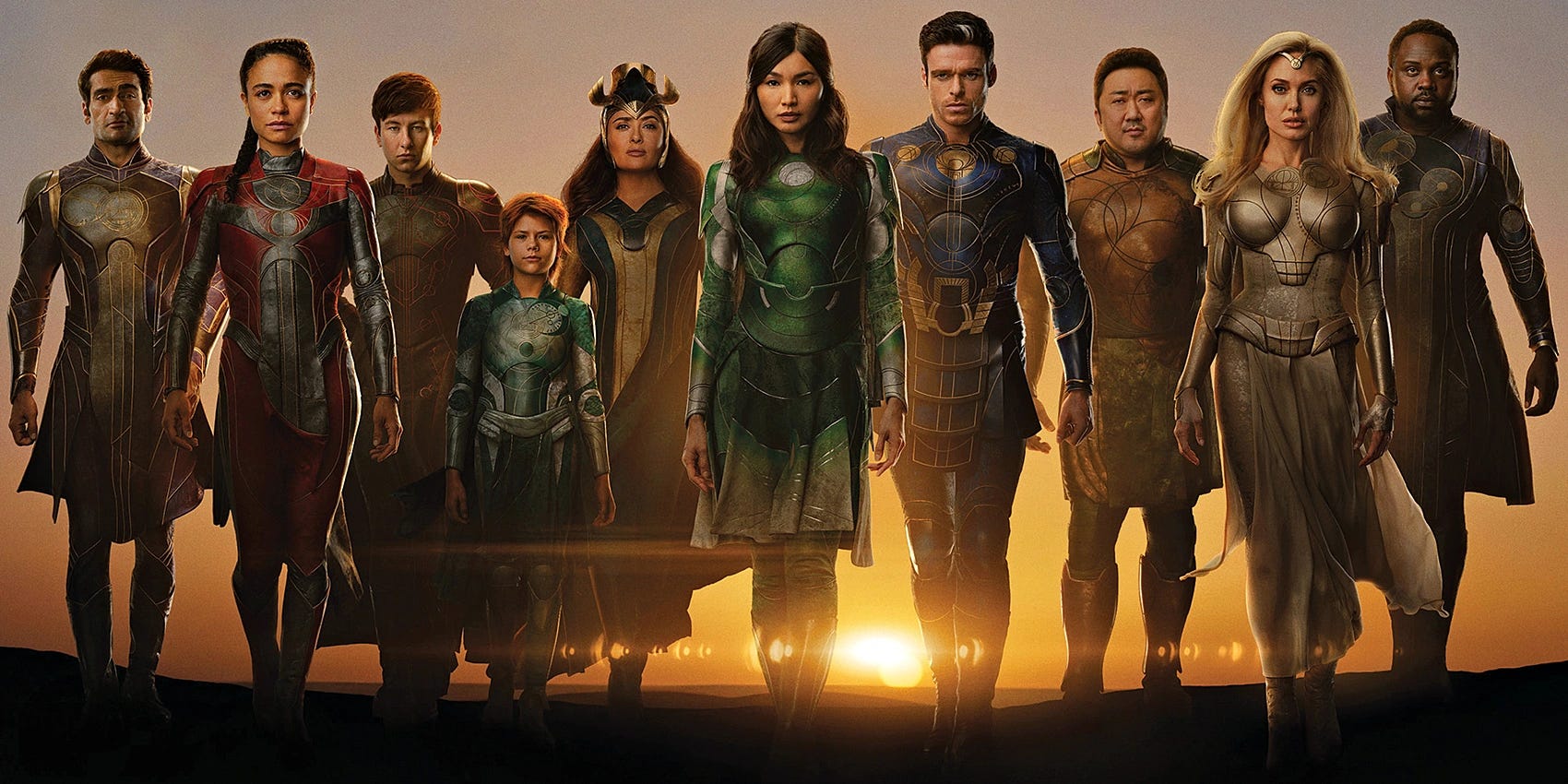
The Eternals was a new property, but it had Angelina Jolie, one of the biggest movie stars in the world, yet massively underperformed Black Panther, a relatively unknown character (not even featured in the original Infinity War comic book), with a relatively unknown actor.
Black Widow also had one of the world’s largest movie stars, Scarlett Johansson, and a heavily established character from seven prior films.
Birds of Prey was coming off of a very successful movie, and again had one of the world’s biggest movie stars, Margot Robbie.
No sane person would argue that Chadwick Boseman had more star power than Angelina Jolie or Margot Robbie.
Audience Bias:
The comic book movie audience skews male, on the order of about 60-65%. One might say that this led them away from female superheroes, but again, there are counterfactuals: Captain Marvel’s stellar performance, Wonder Woman’s stellar performance, even Barbie’s stellar performance.
These movies could not have hit above or near $1b worldwide without the male audience showing up. It’s also extremely unlikely, especially in what is essentially a giant television series, that audience members are even aware of who the individual directors are.
Let’s look at the Oscars now.
The Oscars
These are all the women who’ve been nominated for best director:
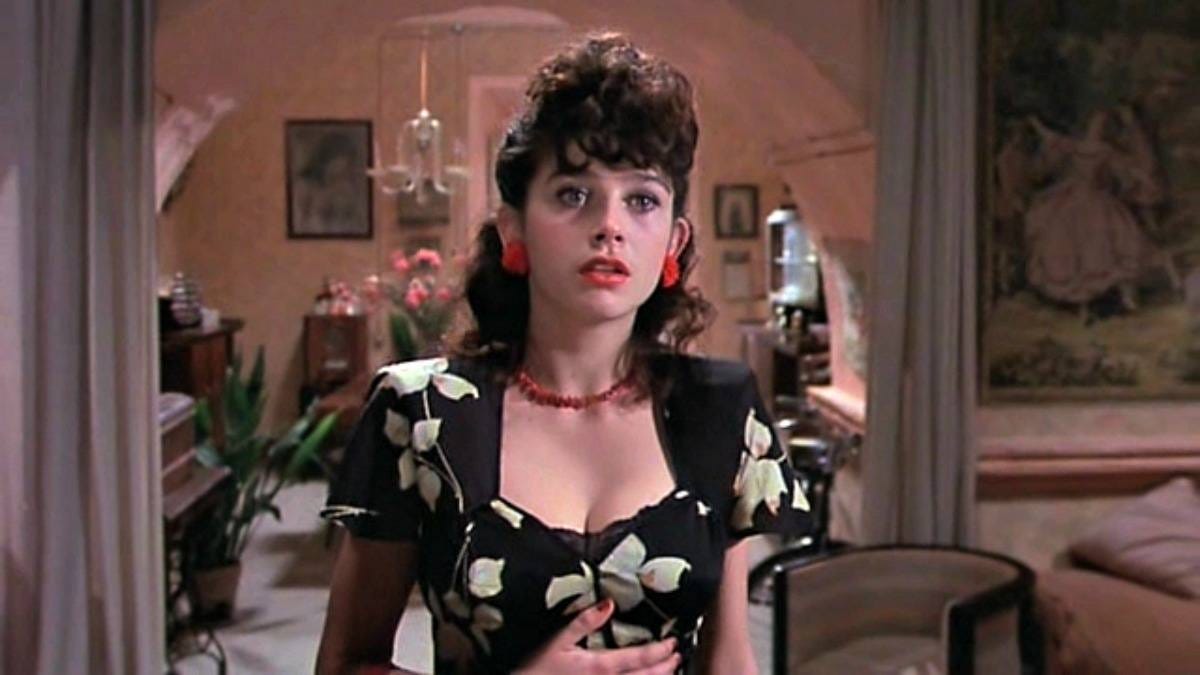
Lina Wertmüller - Seven Beauties (1977) - first woman nominated
Jane Campion - The Piano (1994) - first woman to win Palme d’Or
Sofia Coppola - Lost in Translation (2004)
Kathryn Bigelow - The Hurt Locker (2010) - WON - first woman to win
Greta Gerwig - Lady Bird (2018)
Chloé Zhao - Nomadland (2021) - WON
Emerald Fennell - Promising Young Woman (2021)
Jane Campion - The Power of the Dog (2022) - WON
Justine Triet - Anatomy of a Fall (2024) - Nominated
Coralie Fargeat - The Substance (2025) - Nominated
Chloé Zhao - Hamnet (2026) - Nominated
In the first 42 years since a woman was first nominated, 5 women were nominated. Since 2020, there have been 6 nominations in 6 years. That’s roughly an 8x increase in the rate of female directed nominations in the 2020s versus the prior period.
Women have also won 1/3 of the completed directing Oscars in the 2020s so far, twice as many as the entire prior forty two year period.
This tells us that the academy’s diversity push is incredibly successful. Under pressure, they basically turned around the tanker truck overnight. But how do these films perform against their fellow Oscar-nominated male peers?
For the sake of clarity, let’s only look at the years where both women and men were nominated, which is five out of the last six.
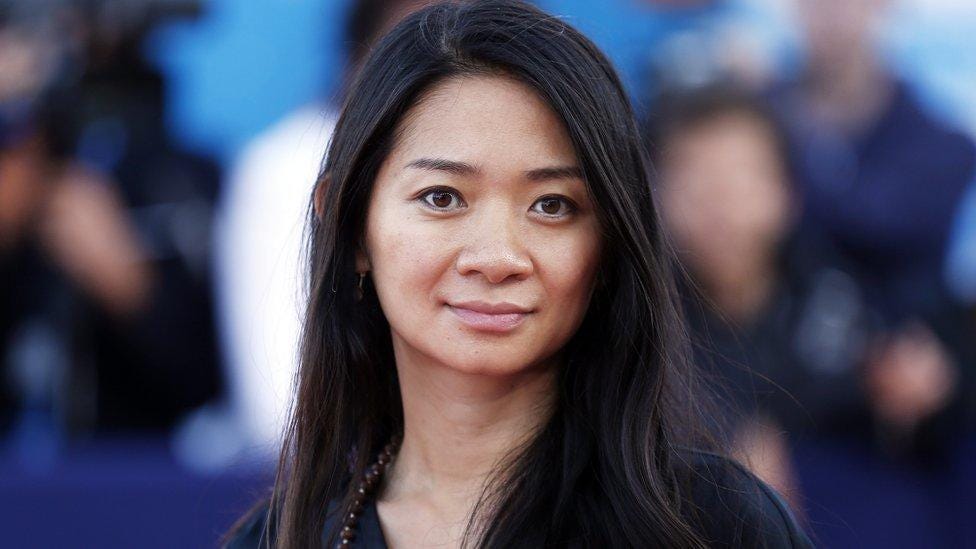
The Best Director Class of the 2020s
Since women have been nominated nearly every year for best director this decade, it creates an interesting data pool for us to analyze. I took the time to do so, and you can see the numbers here (female directors in italics, winners are in bold):
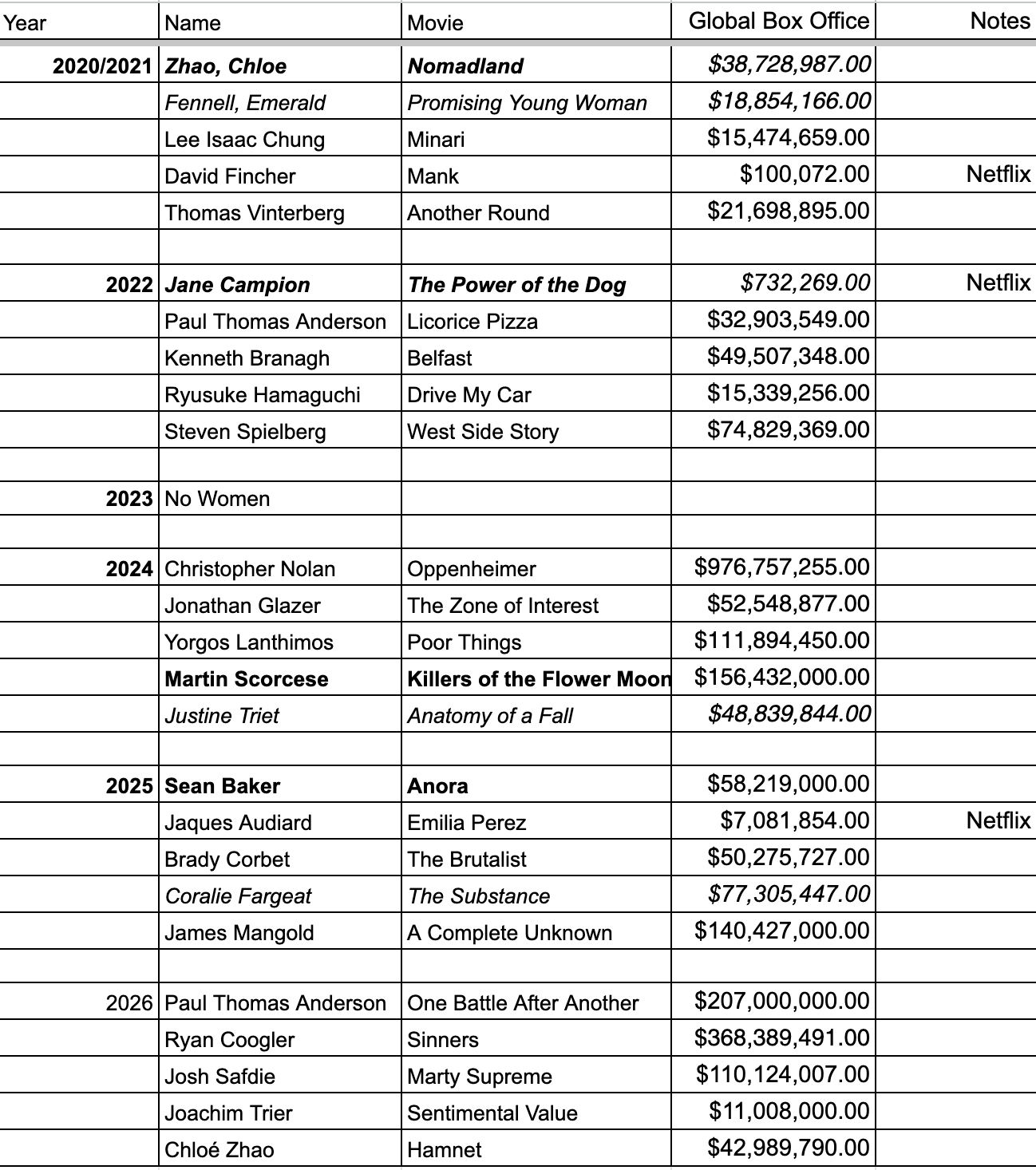
So how does this all stack up? Female Best Director nominees averaged $39.7M per film (2021-2026), while male Best Director nominees averaged $123.6M per film (2021-2026).
This means male nominees outperformed women at the box office by 211%.
Now many people would justly point out that the biggest female directing success, Barbie, was not nominated. This is a fair point. Barbie would massively skew the numbers, so let’s run a scenario where Oppenheimer, the outlier male nominee is removed, as well.
So without the two mega-hits:
Female average: $32.5M
Male average: $72.2M
In this more balanced scenario, men outperform women less.
The Lowest Grossing Best Picture Winners:
By uninflation adjusted measures, The Power of the Dog ($732,269), CODA ($2,237,618), Nomadland ($39,392,289), and the Hurt Locker ($49,876,984), all of the female winners, are the lowest-grossing Best Picture winners ever.
This is a depressing statistic only somewhat ameliorated by the pandemic. Nomadland premiered at Venice in 2020 and was released in the US in February of 2021, when Omicron was ripping through the world.
Like everywhere else, there are confusions and things to untangle; Power of the Dog was basically released straight to Netflix, so that’s not entirely fair, but the number stands. CODA was not released domestically, hurt it, especially for a dramedy, a genre that tends not to play internationally. It was picked up for $25m out of Sundance by Apple, but that’s still not box office.

Nomadland’s terrible domestic ($3.7m, less than her previous film The Rider’s worldwide gross, which was made for peanuts), and stronger international ($35.7m) means that despite COVID people did show up somewhat, at least internationally.
Inflation adjusted The Hurt Locker ($77.6m) does beat Anora ($58m), to move to the number 5 lowest grossing Best Picture Winner, but not by much.
Again, Zhao did not seem like a box office powerhouse to send into a Marvel franchise. DaCosta at least had larger genre experience and relative success with Candyman.
The sad truth: Women directors currently underperform commercially across every tier of filmmaking, even when given more Oscar nominations.
The 2020s Pipeline Made Some Rushed Choices:
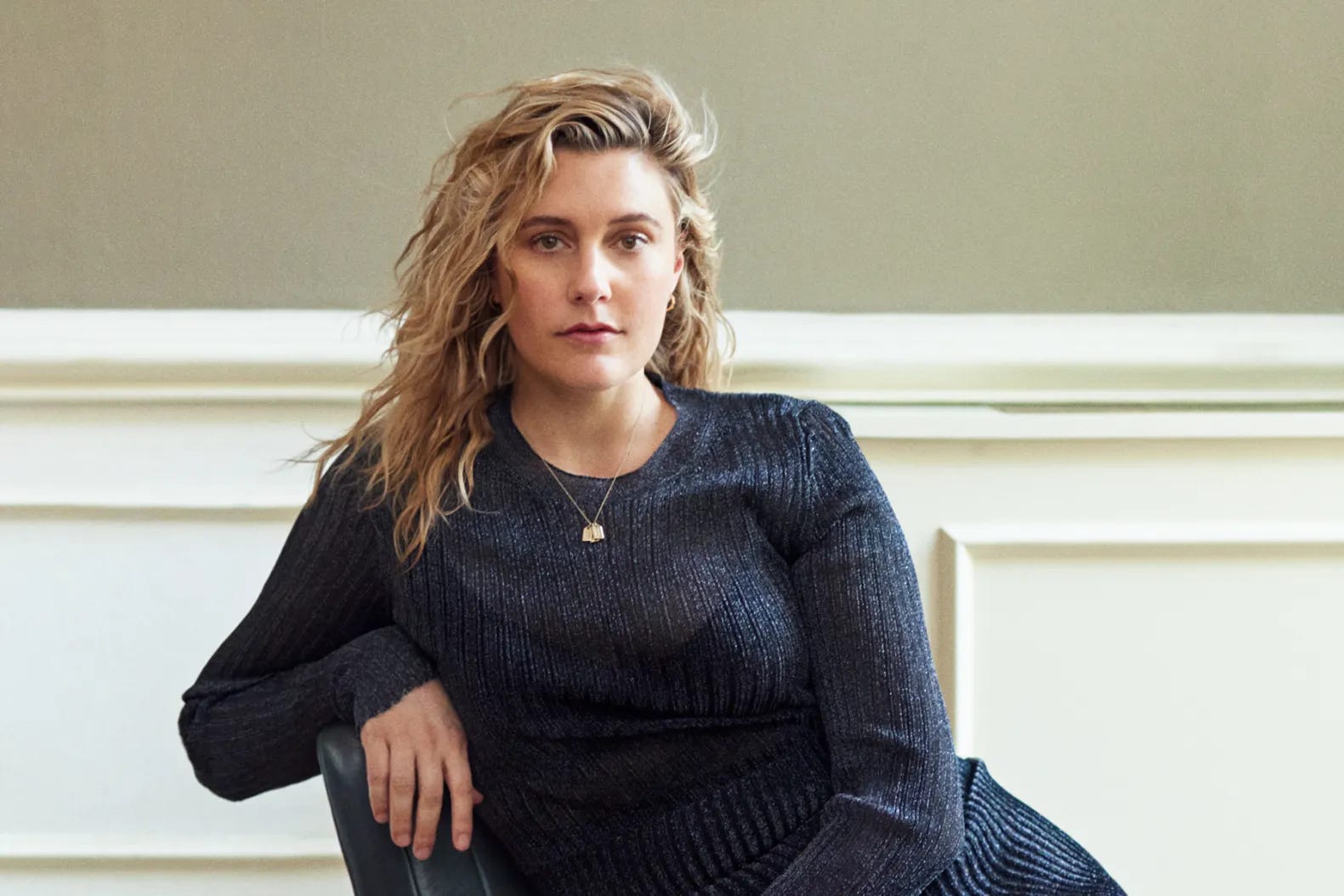
Greta Gerwig is the hulking exception in this article, a solo directing woman with a genuine box office smash.
So let’s look really closely at why. Gerwig had a longer track record with larger films before going into Barbie, with the excellent Lady Bird ($79m worldwide unadjusted) and Little Women ($220m worldwide) boosting her profile, demonstrating her commercial chops, and shoring up her experience before she went into the biggest budget arena. Gerwig, honestly, is what the perfect pipeline looks like; growing critical and commercial successes leading into a big blockbuster.

This leads us again to a recurring theme on this Substack; the Hollywood pipeline, when it comes to some of these filmmakers, seems to have selected more for artistic prestige than commercial instincts, and rushed them into larger movies to meet activist demands.
In several cases in the early 2020s, activist pressure must at least be considered in the cases of Zhao and Yan especially, who seem to have been given major franchises before properly proving themselves commercially. Nia DaCosta, at 34, was the second youngest person ever to direct a Marvel movie.
Burdening them with a failed franchise film before they were ready, or had proven themselves to the level necessary could actually have had the opposite effect than what we were hoping for. Destin Daniel Cretton (of Shang Chi success), also had a few mid budget dramas under his belt before making the leap.
But Ryan Coogler was (unbelievably) only 30 when he made Black Panther, so age doesn’t seem to hold up, at least on the men’s side.

While it's taboo to say this, the industry likely senses it, which is why the numbers Annenberg point to are so dismal. The class of millennial female filmmakers relentlessly championed by film festivals, film schools, and diversity programs have crashed into the rocks, at least financially, when they reach the commercial marketplace.
Greta Gerwig is the big exception for the millennials. The only success stories, Patty Jenkins and Anna Boden, are from a different generational cohort than the other four. Even Cate Shortland, who broke even, is Gen X. Jane Campion’s highly limited release of Power of the Dog is too big of an outlier to really comment on, but she’s the only female director in the older cohort.
If Gerwig’s Narnia films are a mega-success like Barbie, she would become the only female director in modern history to direct two large, live action franchise hits ($800m plus gross worldwide) in a row. Narnia is also, like Lord of the Rings and other franchises, significantly more male coded than Barbie.
The question isn’t whether women can direct blockbusters. It’s whether the current system of identifying and elevating female talent is selecting for the wrong qualities -festival prestige rather than a long track record and commercial instinct. Nia DaCosta is an exception to this, with the modest success of Candyman, but she is also by far the youngest of the directors, at just 36 years old as of this writing.
What the Data Might Actually Suggest
As I dug through these numbers, I expected to come away with a stronger critique of the festival pipeline. The reality is more complicated.
The clearest success stories - Greta Gerwig and Patty Jenkins - followed relatively conventional developmental paths. Gerwig built from Lady Bird to Little Women before taking on Barbie. Jenkins had already established herself with Monster and years of television work before Wonder Woman. Even Anna Boden had been directing for two decades before Captain Marvel.
By contrast, several of the weaker commercial performers were elevated into massive franchise filmmaking after directing films with budgets measured in only a few million dollars. Chloé Zhao’s largest film before Eternals cost roughly $5 million. Cathy Yan’s previous feature reportedly cost around $2 million (like DaCosta,they’re all NYU alums).
That doesn’t mean these filmmakers lacked talent. It may simply suggest that Hollywood’s rush to accelerate representation sometimes conflicted with the industry’s traditional apprenticeship model.
The difficulty is that blockbuster filmmaking is unusually unforgiving. A major failure often closes doors regardless of gender. Louis Leterrier never directed another Marvel film after The Incredible Hulk. Alan Taylor largely returned to television after Terminator: Genisys. Peyton Reed’s future as a franchise filmmaker remains uncertain after Quantumania.
If there is a lesson here, it may be that commercial success still requires the same thing it always has: a demonstrated ability to successfully handle progressively larger projects. There is simply no shortcut.
The central question again, then, isn’t whether women can direct successful blockbusters. They clearly can. The more interesting question is whether Hollywood’s current systems for identifying and promoting talent are selecting for the qualities that actually predict commercial success, then allowing them the time to grow into larger and larger budgets.
As it stands, the Gen X Female Filmmakers, with their longer resumes, were definitely the better bet.
I think it’s a mistake to talk about “female directors” and “male directors” in a collectivist way. Nobody says “well, Speilberg made a ton of money so I’ll hire a guy.” Other guys hardly get credit for his success. Likewise, it makes sense to hire a female director based on her individual talents.
It’s worth noting that the female-directed flops in the franchise universe were objectively bad films. Not just bad directing, but bad scripts or flawed concepts. Wonder Woman was a good movie and it did well. WW 1984 was . . . not a good movie. The Marvels wasn’t good, required too much homework, and starred an actress whose mouthing off poisoned her brand. The Eternals had the problem of introducing ten different heroes and then doing a teamup. Note The Avengers had characters who had already been introduced. Birds of Prey was just terrible.