

The Luxury Film MFA Ends Today
For twenty years, an uncapped federal loan made the elite film MFA possible. Not anymore.

Years after I graduated from film school a former student emailed me. He was suing the school for fraud, trying to get his hefty student loans discharged, and he was looking for a copy of a report we'd both seen at a faculty meeting for evidence. It was an internal study on the program's flaws and problematic outcomes. At the time only half of the MFA students were making thesis films, partly because they were broke, partly because, as film students, they would write massively elaborate scripts, then collapse in a wave of unfeasibility as they neared production.
I dug through my emails and unfortunately came up empty-handed. I never heard from him again. I doubt the lawsuit went anywhere. It was probably just an outburst of rage, possibly after a festival rejection (we’ve all been there). He did sign the loan papers after all, so I doubt there was much he could’ve done.
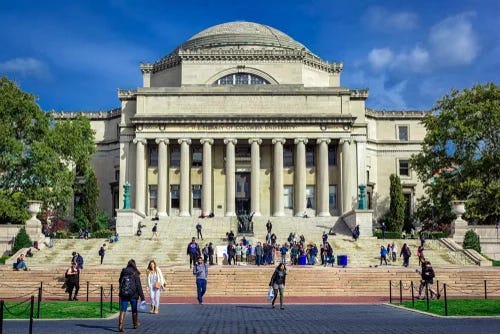
After I gave up searching, I flashed on an old memory; my own starry-eyed visit to Columbia's pristine Morningside Heights campus, back when I was weighing which MFA programs to apply to. I was given five minutes with an admissions officer, who told me, first thing, unprompted:
“Don’t expect any financial aid.”
It rubbed me so wrong I never even applied.
Looking back, it was probably the most honest thing anyone said to me during the application process. Many of the schools seemed to view my very interest in them as a nuisance, just as Hollywood would later view my ambitions.
I wonder now, had I gotten into Columbia, would I have been able to resist the siren song of an Ivy League degree, with its mountain of toxic debt?
At such a young age?
It’s tough to say. I still ended up at an excellent, more affordable school, and don’t have a lot of regrets. As David Acevedo wrote in his 2021 piece on Columbia Film School…
It’s easy for elite universities to lure students into taking on stifling levels of debt. You’re getting a highly coveted graduate degree from, in this case, an Ivy League institution, one that’s in New York City, a young artist’s paradise. What’s that? $300,000 sounds like too much to borrow? Nonsense! The screenwriter of “Frozen” went here—maybe you’ll end up like her!
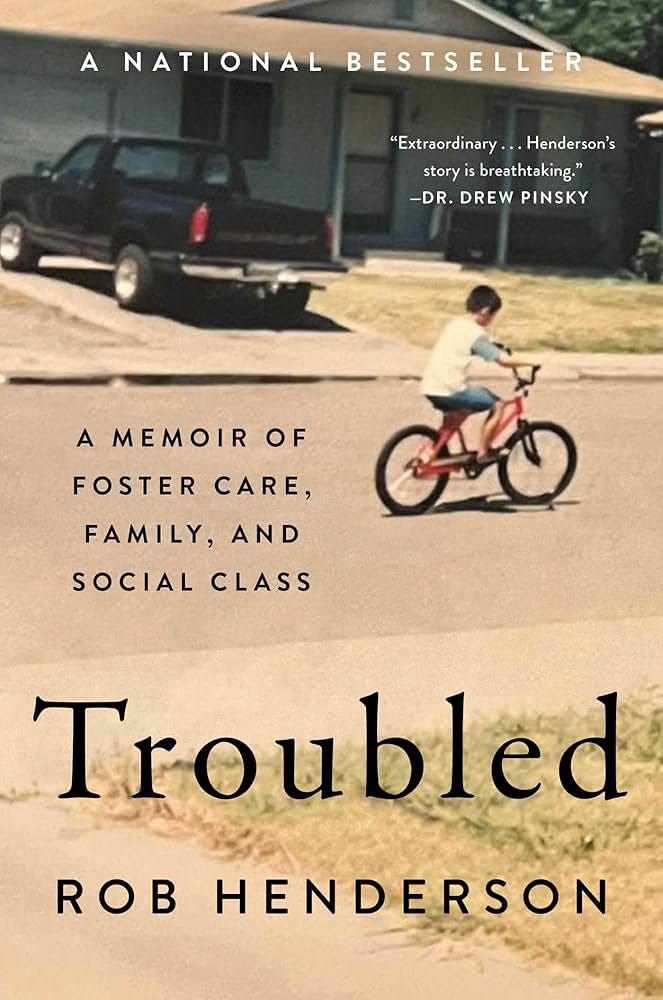
This essay will explore the rise of the luxury degree, in particular the film MFA. The term draws from polymath Rob Henderson’s idea of “Luxury Beliefs,” ideas and opinions that confer social status on the wealthy and educated while inflicting real-world costs on the working class.
In a similar fashion, the massively expensive, luxury film MFA degree confers social status on the rich, while creating massive debt for the poor and middle class, often driving them out of the industry before their stories can even be told.
How To Make A Killing in MFAs
When I started graduate school, after my tour of the stately campus, I was jolted back to reality by a student loan website. I was amazed to see the maximum number I could borrow: over $100,000 a year for a public program that would only cost me around $50,000. The difference was 'cost of attendance' — the school's own highly inflated estimate of rent, food, and living expenses, on top of tuition, one I could borrow every dollar of.
There were two types of loans: capped, unsubsidized ones (currently 8.07% interest for graduate students), and another, more plentiful kind; Grad Plus Loans, basically limitless, at a whopping 8.94% interest. As one economic study put it, Grad PLUS
“effectively eliminated federal loan limits for graduate students, making it the largest new federal student aid program in at least two decades.”
‘How was it possible to throw that amount of crazy high interest debt at a graduate film student?’ I remember thinking, before selecting the minimum possible.
Many of my classmates were not so prudent. Several used Grad Plus student loans, at 9% interest, to buy projectors, fund overpriced student films, and avoid working. Many were responsible, but oh boy, did a couple get to $300k in debt? You betcha.
And that was the intention; because these schools, especially the private ones, especially Columbia, were using film MFA programs as a cash cow to fund the rest of the university.
Columbia’s vice provost for academic programs said as much to the Wall Street Journal: master’s degrees “can and should be a revenue source” that subsidizes the rest of the university.
This was only possible for the last twenty years because every Grad PLUS loan had a silent cosigner; the federal government, and eventually the taxpayer.
"We're at a point where almost half of the borrowing right now is among graduate students, despite them being a much smaller share of the overall population," says Robert Kelchen, a professor of higher education at the University of Tennessee, Knoxville. (via NPR)
Grad PLUS loans carried no real underwriting: no income test, no assessment of whether the degree could ever service the debt. A twenty-four-year-old with no assets could borrow six figures against the hope of becoming a Hollywood director.
Nobody praises film students for their financial prudence or realistic approach to risk. The industry, in the rare moments when it’s doing its job, thrives on smart risk. But at the professional level, studios and producers also understand that they can’t give their filmmakers unlimited money, lest they spend it all and leave them broke.
Like so many roads to hell, Grad PLUS was paved with good intentions. The previous era’s private lenders were often predatory, offering variable rate loans that the government tried to protect borrowers against. But the government was also not a savvy market participant like a producer or studio, very few of whom would have handed these students $300,000 to do anything, let alone direct short films.
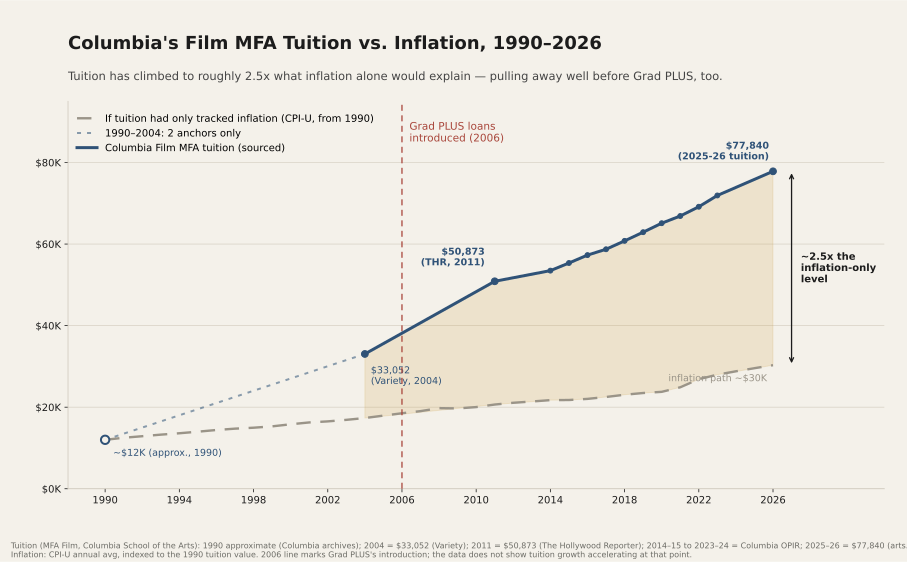
There was one party who benefited extraordinarily from Grad PLUS; the film schools, which figured out something pretty quick. When student borrowing is limitless, there is no natural cap on tuition; a school can always charge more, and bears none of the downside if the bet goes south. And thus was born the luxury, elite film MFA, a cash cow for decades, only now coming to slaughter.
In Plus or Minus? The Effect of Graduate School Loans on Access, Attainment, and Prices, economists studying the introduction of the Grad Plus Loan focused on a core question:
What happens when graduate students suddenly have access to much more federal debt?
The findings were troubling:
Students borrowed substantially more.
Schools charged substantially more.
Graduate school did not become more accessible.
Students were not more likely to finish degrees.
Underrepresented students did not enroll at higher rates.
Even scarier: sticker prices rose roughly dollar-for-dollar with federal borrowing — though the net price students actually paid rose about 64 cents per dollar, with the gap covered by aggressive merit-aid discounting.
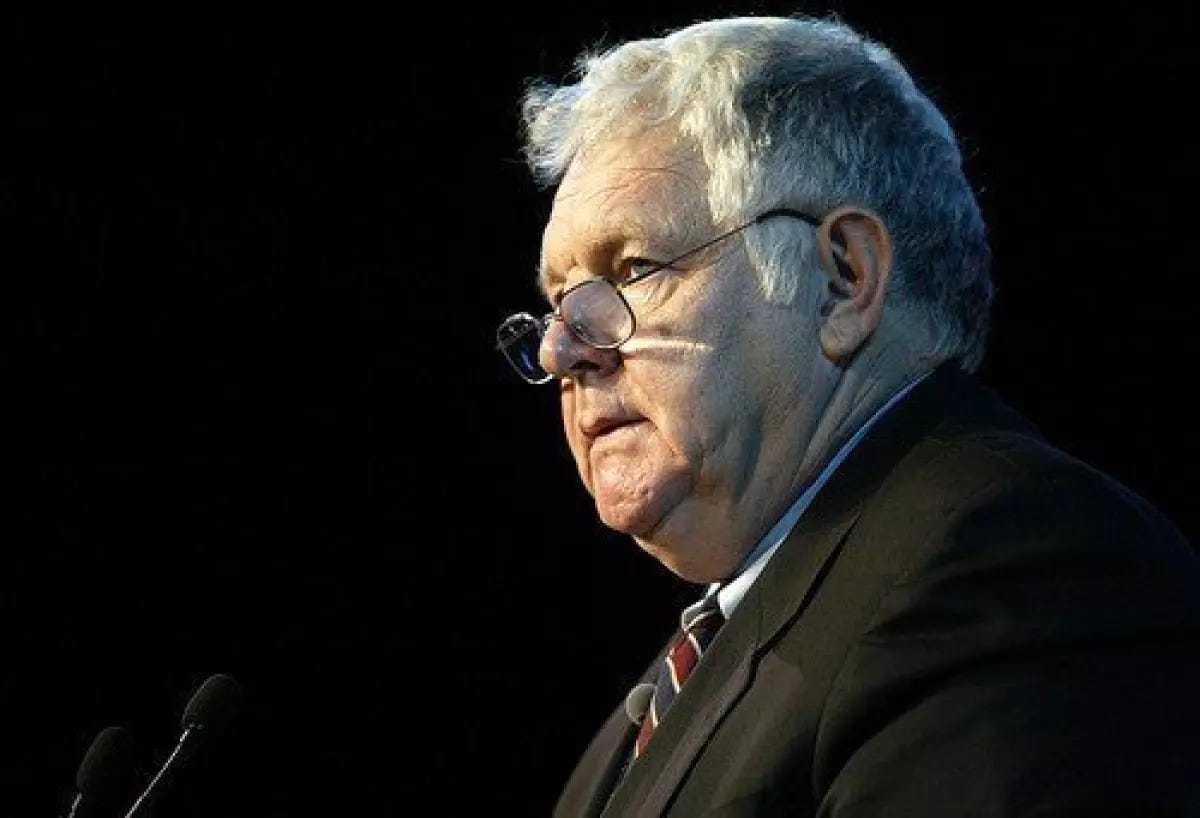
This is consistent with the “Bennett Hypothesis,” based on a New York Times article published by then Secretary of Education William Bennett in 1987. Back then, Bennett argued that when students can borrow more, institutions capture some of that additional aid through higher tuition.
Financially Hobbled for Life
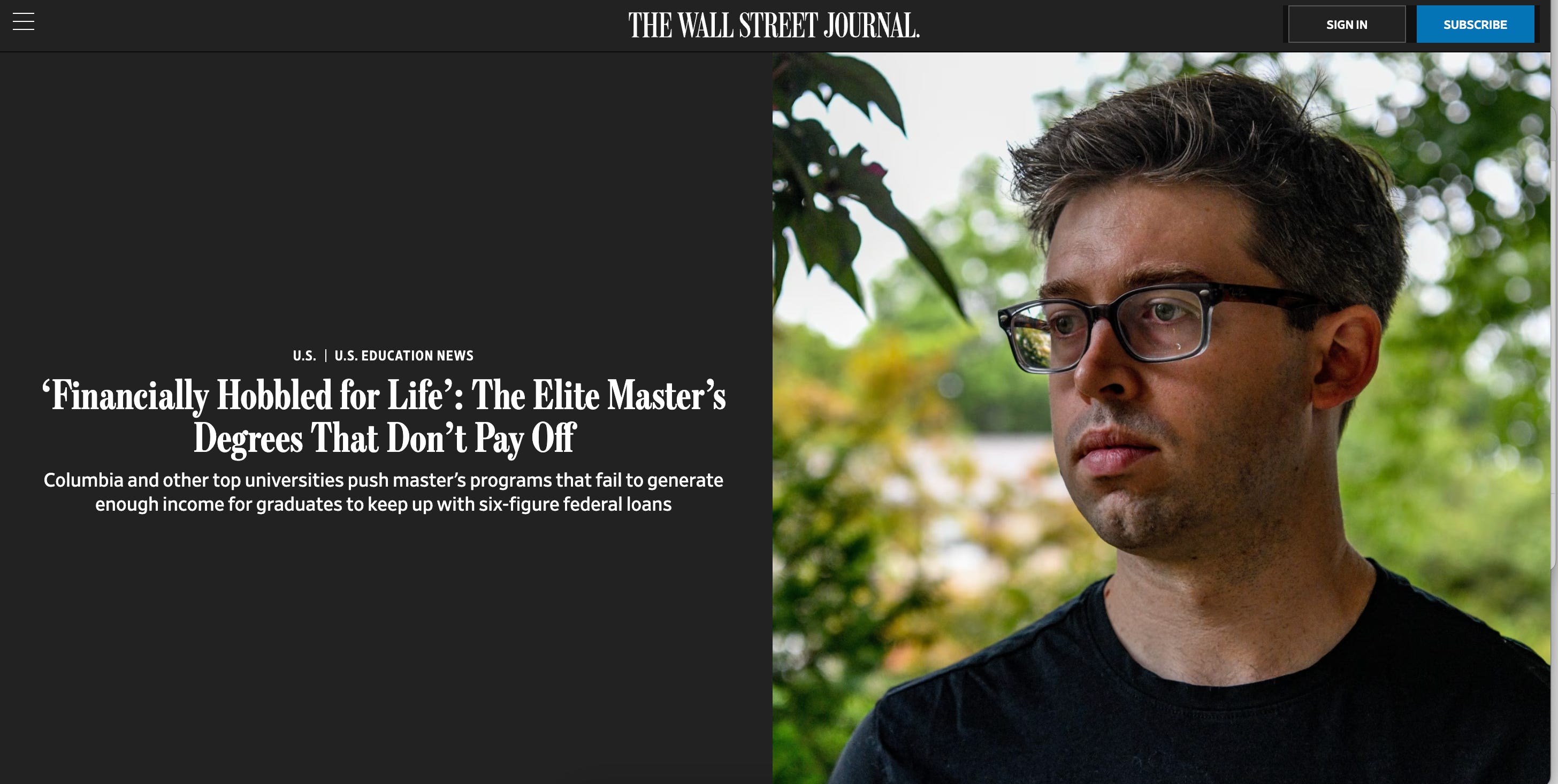
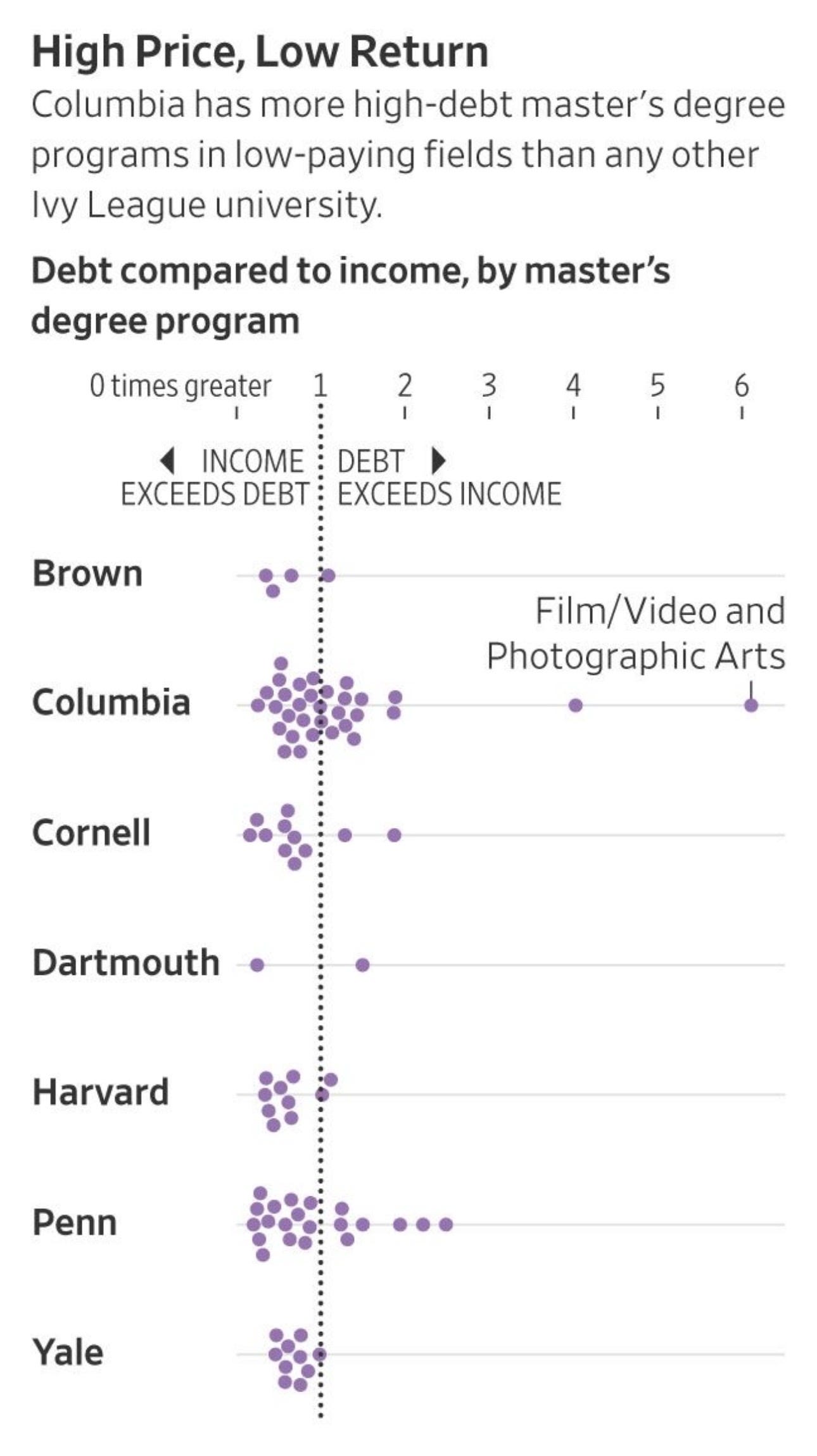
In 2021 the Wall Street Journal broke the story. Recent graduates of Columbia's film program who borrowed left with a median of about $181,000 in federal debt, and two years out, half of them earned under $30,000 a year.
It turned out Columbia film alumni had the worst debt-to-earnings ratio of any major university master's program in the country, and that Columbia ran more high-debt master's programs in low-paying fields than any other Ivy League school. And roughly two-thirds of domestic students in the film MFA borrowed federally.
One international student, who couldn’t get access to loans, was so desperate he considered dropping out; Columbia offered him a dog walking job.
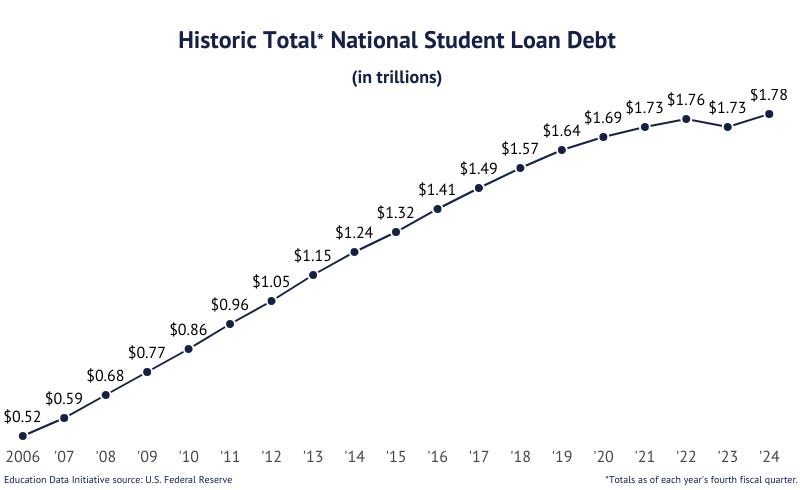
In 2021 the WSJ reported that graduate students, a far smaller population, were on track to borrow just as much as undergrads in the 2020-21 academic year.
By now they’ve vastly surpassed them. According to the Brookings Institution, Graduate students made up just 17% of enrollment in 2025, but accounted for nearly half of all new federal student loan dollars — about 49% of the roughly $90 billion the Department of Education expected to originate that year, versus 38% for all undergraduates combined.
NYU Tisch currently lists graduate film tuition at $82,902 a year, with estimated living costs near $43,000 and student film budgets that run from a couple thousand dollars into the five figures and climb each year.
The school’s own guidance puts the total a student must prove — to a bank, or to the federal government for a visa — around $130,000 to $140,000 annually. Roughly 8 percent of the graduate film cohort, about three students in a class of thirty-six, receive a full scholarship, and even that covers tuition only. No living. No student films. NYU film master’s graduates in earlier Scorecard cohorts left with a median of roughly $168,000 to $176,000 in federal loans.

Perhaps no other degree has the allure of a film one. Universities trumpet their famous, Oscar-winning graduates, a fraction of a percent of the actual alumni, as a means of luring young students into funding the rest of their universities. This is why Kevin Carey, the director of the education policy program at New America who’s written on this subject for decades, calls elite Masters Programs “The Second Biggest Scam in Higher Education.”
With debt to earnings ratios of ten to one common in the early years after film school, two groups emerge from these schools; the wealthy, who do not need loans, and the poor, who even with scholarships, do.
The Broken Hollywood Pipeline
The class composition of these schools is no mystery. At thirty-eight colleges in America, including Yale, Princeton, Brown, and Penn, more students come from the top 1 percent of the income distribution than from the bottom 60 percent. Just one example; Barron Trump is currently attending the school of business.
NYU's undergraduates have a median family income near $149,000; 62 percent come from the top fifth, 11 percent from the top 1 percent, and just 22 percent are poor enough to qualify for a Pell grant.
Kevin Carey has argued for years that “universities see master’s degree programs as largely unregulated cash cows that help shore up their bottom line,” and shown how even prestigious schools like Harvard offer effectively predatory programs.
And the taxpayer is the backstop: when these students inevitably default, or make it to the 25th year of their income-based repayment, the debt is expunged. Columbia collects the check, the students and taxpayers foot the bill.
But beyond all this, it’s killing our medium. Hollywood, which used to pay to train filmmakers and writers, is now, for obvious reasons, outsourcing all of the risk of building a career to the film schools and filmmakers themselves. Once that intense filtering is done, they can cherry pick the winners.
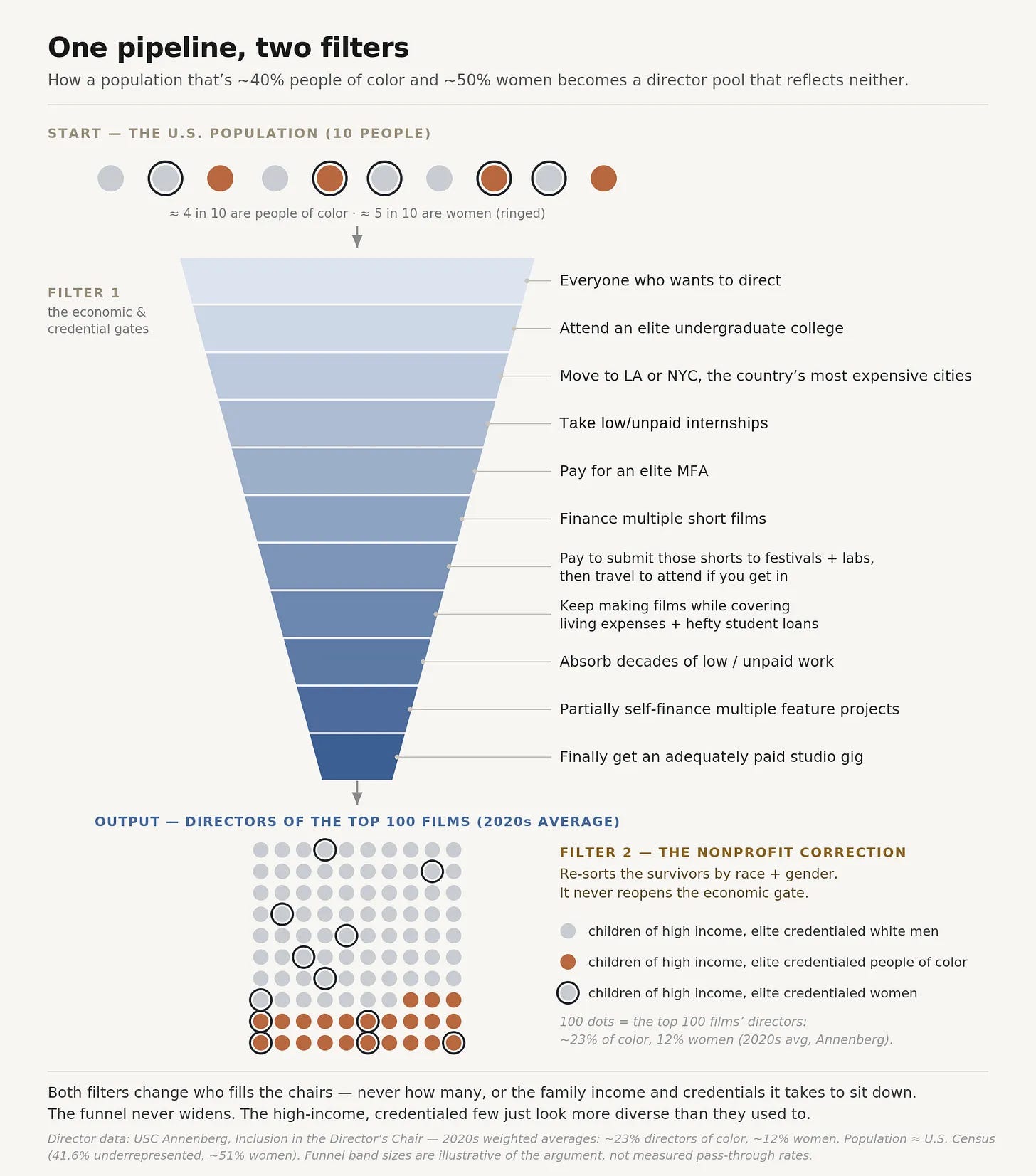
The problem is only a very select portion of the population have the financial resources to survive that system, and they don’t reflect the broader country, you know, the ones theoretically buying tickets.
Even more challenging; to survive the festival and film school system, you have to learn and adapt to their values; it’s an ideological training system as much as a craft one, and those ideological products seem to appeal less and less to audiences. The two breakout indie stories of the year, Obsession and Backrooms, have directors who dropped out of film school or never even went to college.
Rich and Poor, All Under One Roof
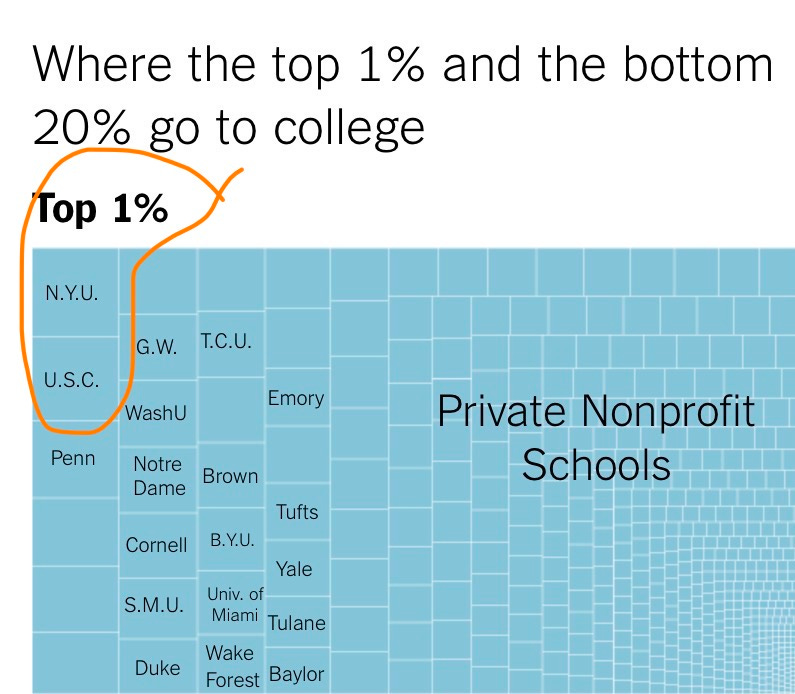
A couple of years ago The New York Times ranked NYU as the number one private school for the top 1% wealthiest Americans. Per Forbes, entering the top 1% requires a net worth of $11.6 to $13.7 million. USC comes in at number 2.
But what about scholarships? 8% of NYU directing students receive full scholarships. But even if you secure one, only three a year out of thirty six students, the award only covers base tuition. It does not cover university fees, equipment insurance, mandatory health insurance, student films, or NYC living expenses. If you are a domestic student on a full scholarship, it still means you’re forced to come up with around $60k a year.
This makes it unlikely that the crop of students who are getting indie films off the ground immediately after film school are the scholarship students, who even in these favorable circumstances are looking at six figures of debt.
There are thus two neighborhoods inside each of these schools; a fancy one, where there are no student loans, unlimited budgets for student films, and no talk of living expenses. Beside them are a slum, where even with huge scholarships you’re looking at six figures of debt upon graduation, compounding at 8.94% a year.
If you were from the slum, living next door to the fancy neighborhood, where nobody was transparent about their money, how would you try and compete? How about if someone was offering you unlimited amounts of debt?
You can see how this becomes a crisis.
The Film Festivals Are Stuffed With Elites
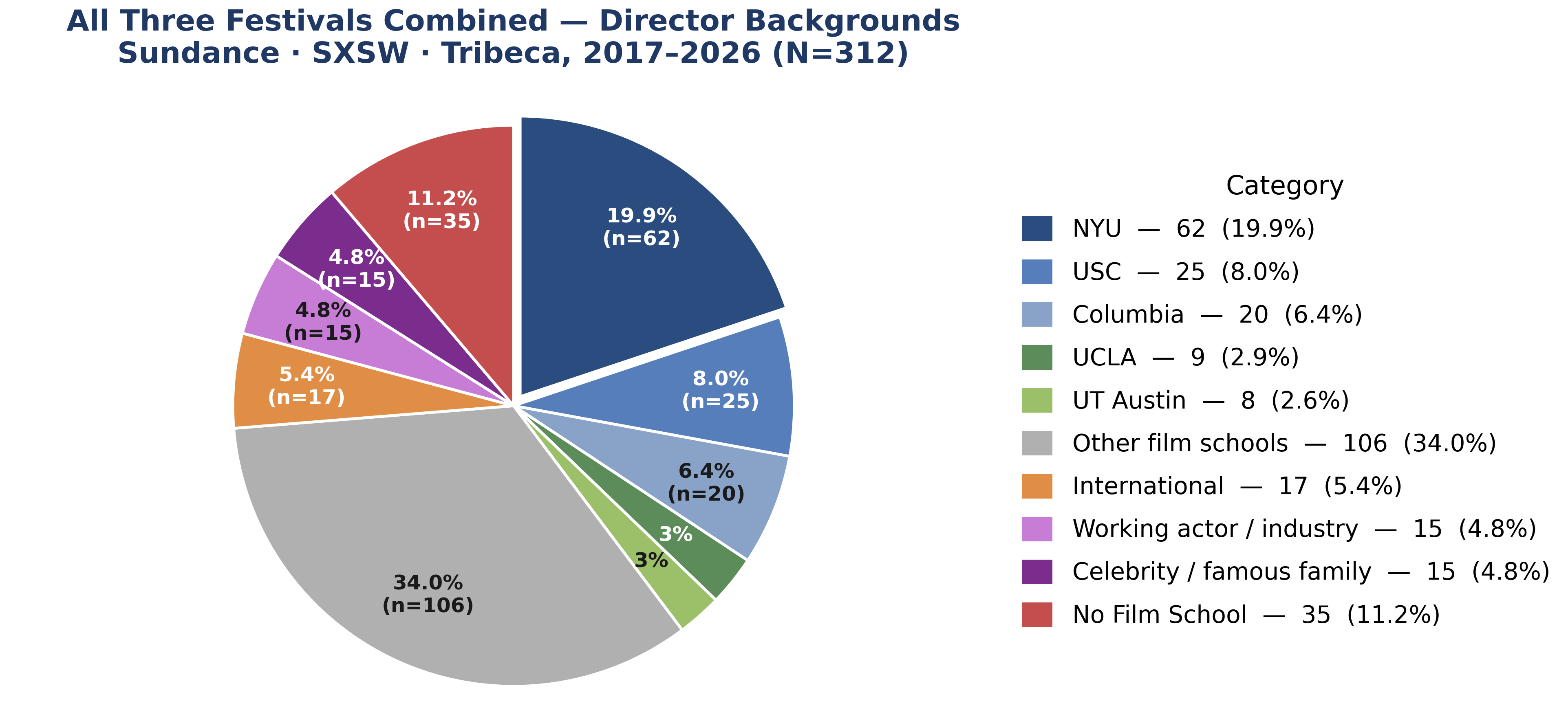
The top schools for the 1% perfectly tracks with major American film festivals’ alumni selections in their dramatic competition sections from 2017-2026.
To generate the pie chart below, I tracked the alumni makeup of all of the dramatic competition sections for the three major US festivals: Sundance, SXSW, and Tribeca, for the last decade. Here they are combined, with the top 5 schools named:
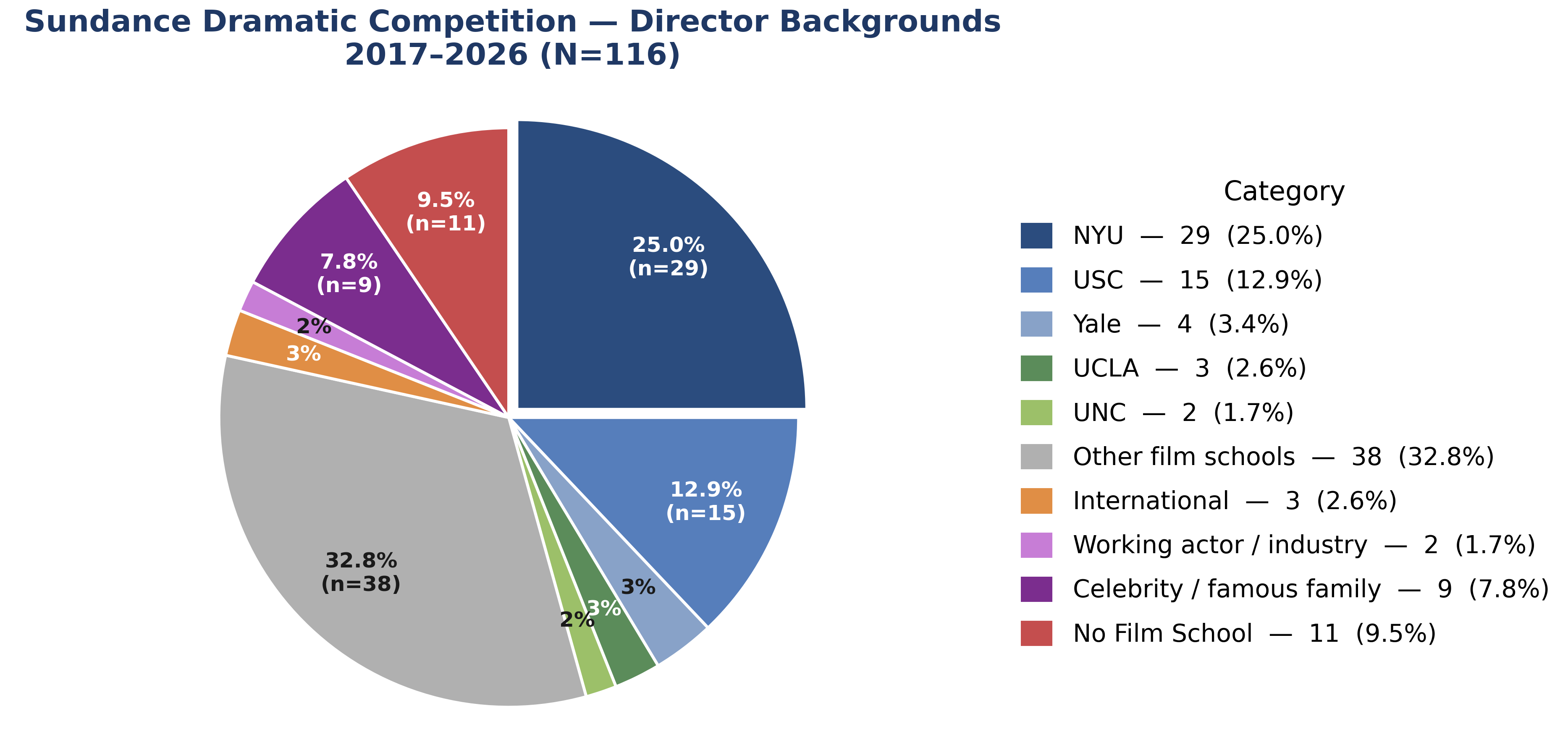
Here’s Sundance…
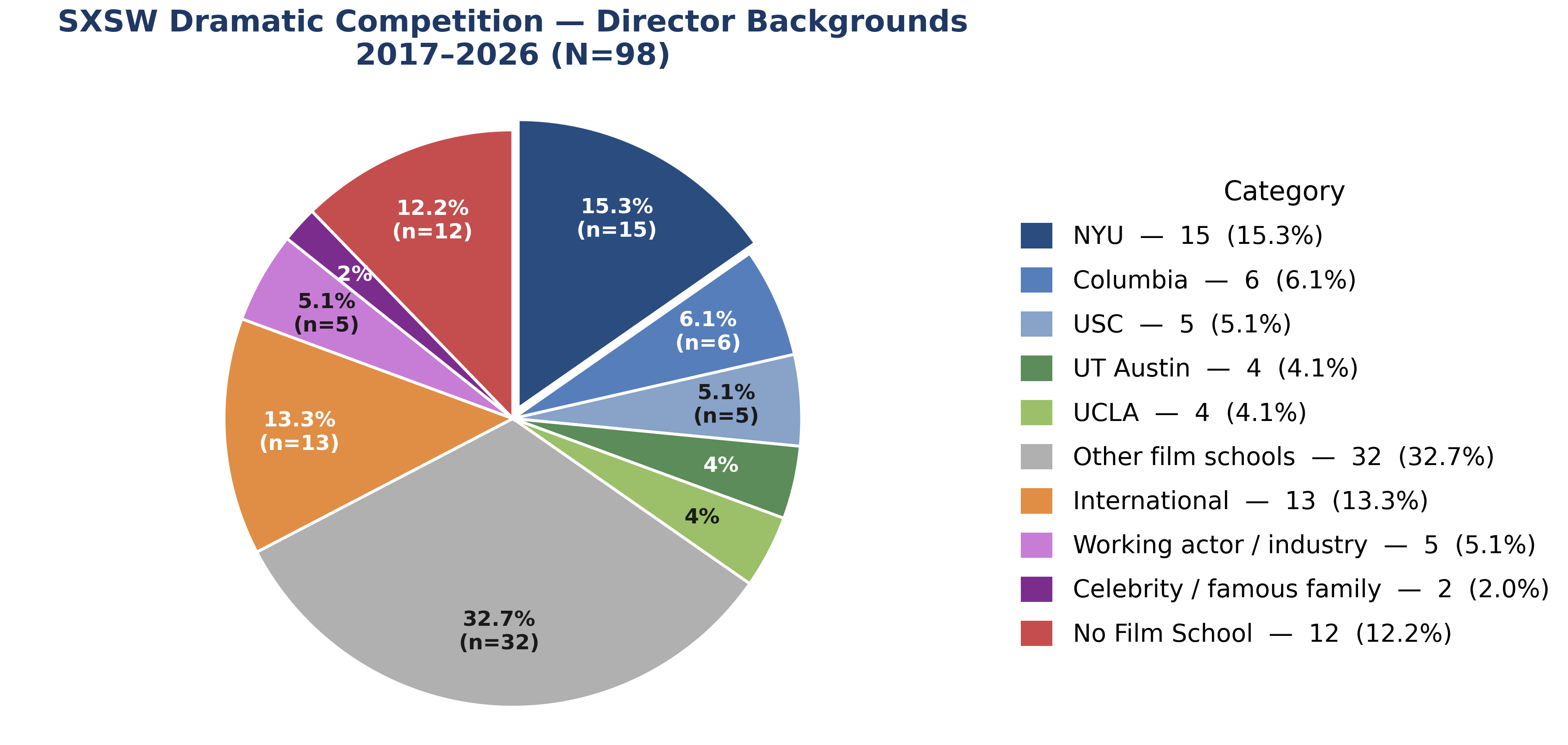
SXSW:
And Tribeca:
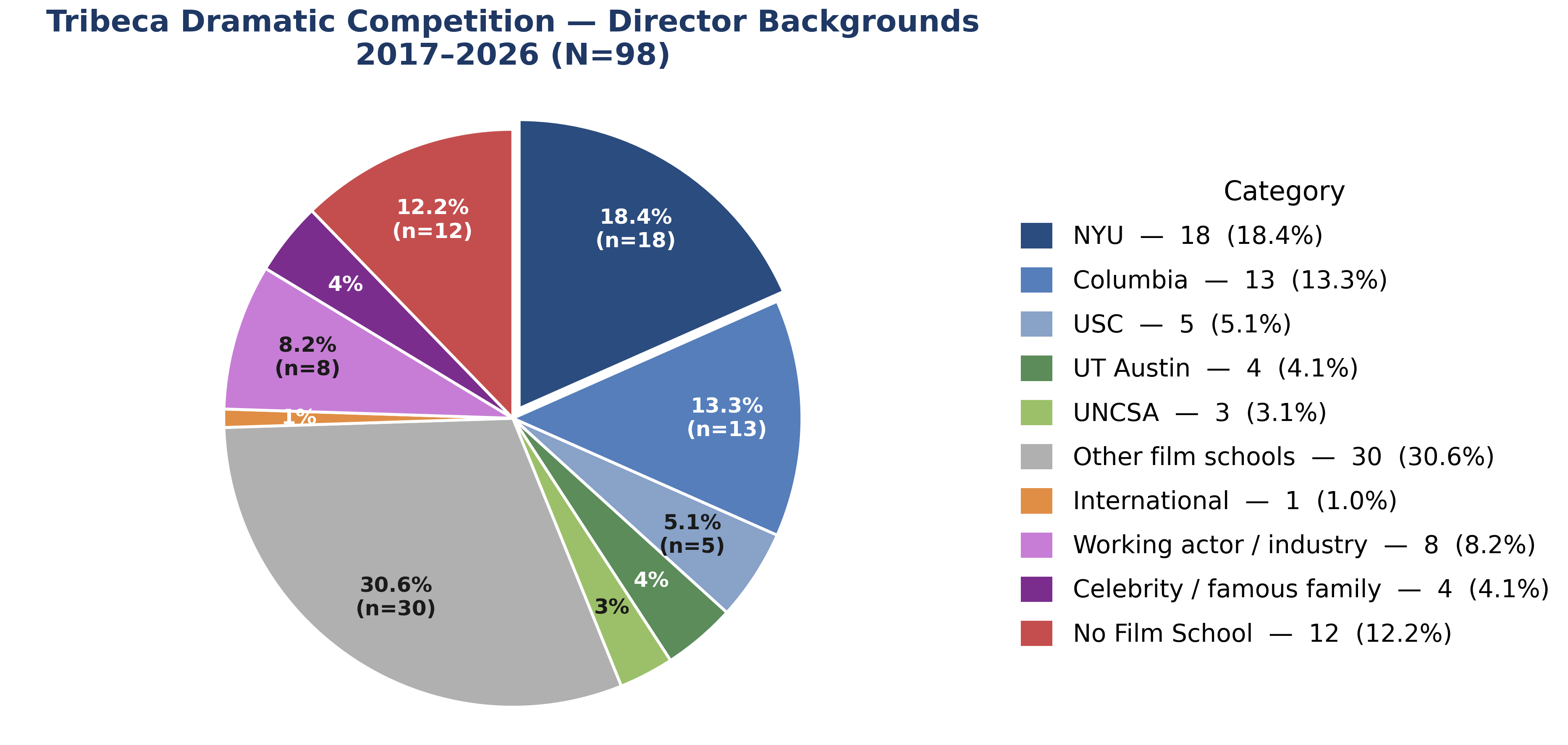
As you can see, film schools, especially the elite troika (NYU, USC, Columbia), dominate.
Your humble Gadfly was more than a bit shocked when he saw just how poorly even the top public schools like UCLA, UNC and UT Austin really did.
The ties between these elite schools and the festivals, especially Sundance and NYU, run deep.
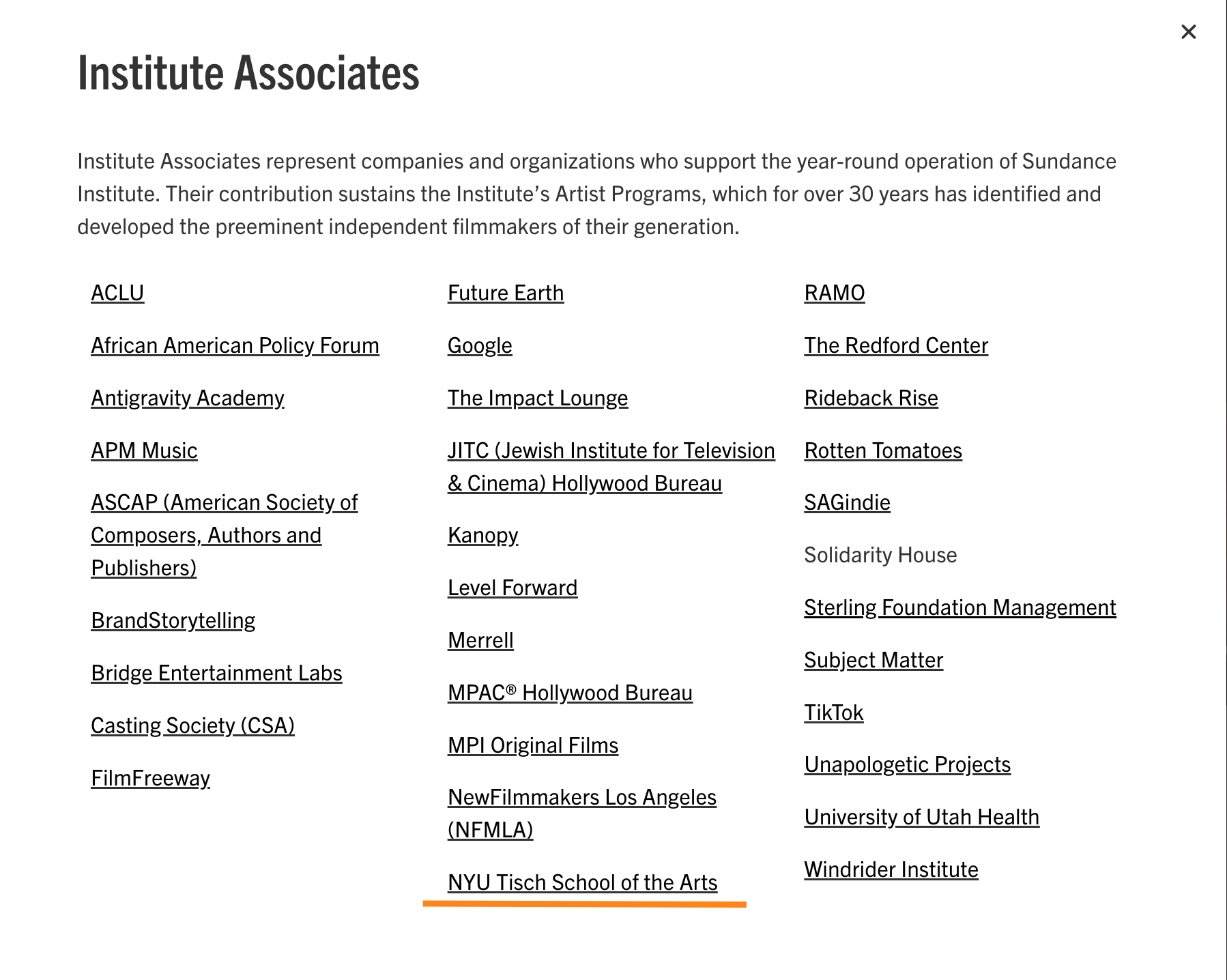
Tisch is the only major film school that is a Sundance "Institute Associate" — an organizational backer of the festival's nonprofit parent. For more than three decades it has also run "Tisch on Main," a hub it operates for its own community across the festival.
The obvious objection: NYU just admits more students. Except NYU and Columbia's graduate directing tracks admit the same number — about thirty-six. Yet over the past decade NYU placed roughly four times as many directors in these competitions as Columbia did.
It’s demoralizing. Especially when you consider how monotonous movies are right now. Maybe it’s because almost half of major festival films come from the elite graduates of a handful of private schools? Schools where the same teachers, the same philosophies, and the same students gather and cross pollinate?
Schools that also reify elite ideas and values. And c’mon, as we all know, those ironclad progressive values are kind of boring and predictable when it comes to dramatic writing anyways.
Even the “dropouts” aren’t all what they seem. Look closer at who 'skipped film school,' and: the overwhelming majority of Sundance’s no-film-school directors are famous actors (Paul Dano, Jesse Eisenberg), or industry nepo-kids. Barack Obama’s daughter had her first ever short film in competition there.
The actual nobodies — no degree, no name, no nepo — cluster far more heavily at SXSW and Tribeca.
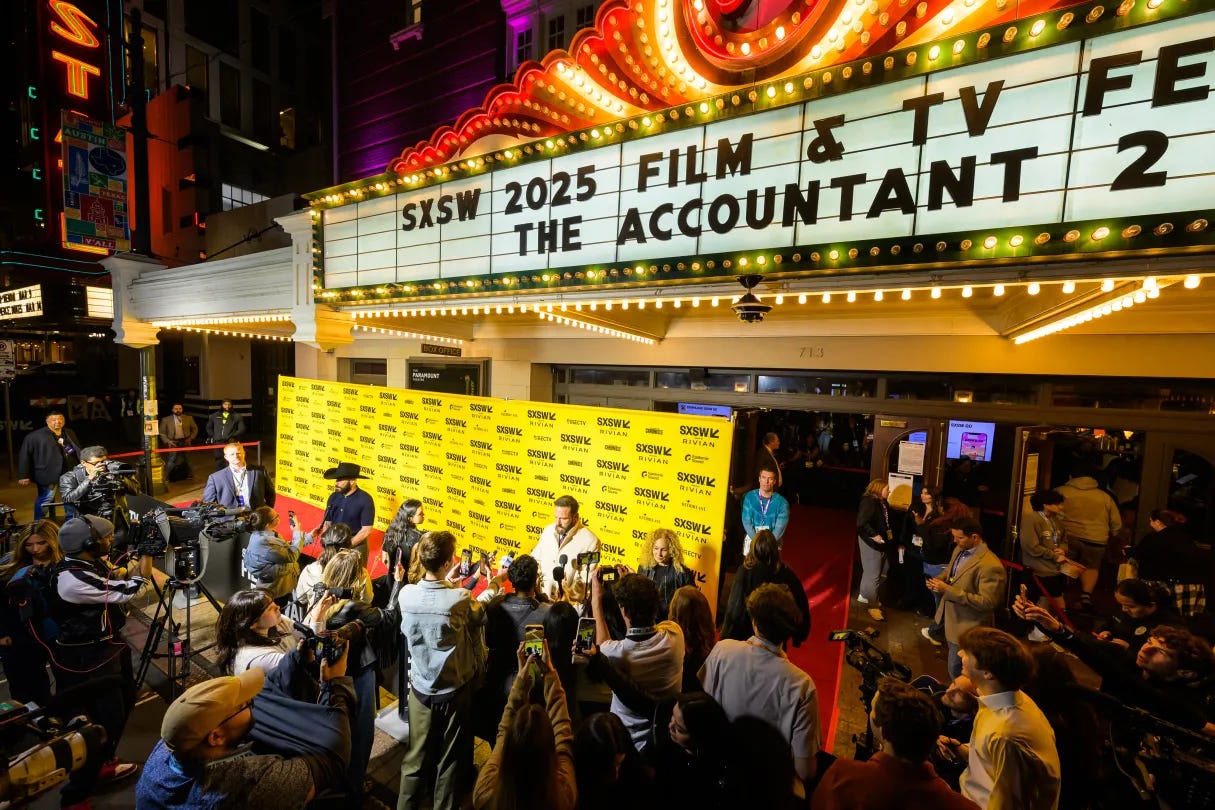
I will spend more time on these charts in another essay, but it’s important to see how much these schools have come to dominate our industry.
The Government Finally Catches Up
“I think any master’s program should be treated as for-profit and regulated that way.” - Kevin Carey
The Grad Plus loan was originally designed to protect students from the private lending market, but instead, it incentivized a borrowing spree unlike any other, and accidentally gave overpriced elite programs the imprimatur of the federal government. If Columbia is accepting you, and the government is backing your loans, why not go?
Third Way called this a moral hazard for the universities:
Uncapped lending meant that students knew they could access loans to cover their costs for any graduate program, and institutions knew the check would clear. This cyclical lending environment created no incentives to lower costs, and some research has indicated it enabled tuition growth in graduate programs.
The floodgates are now being closed. The One Big Beautiful Bill Act (OBBBA), signed in July 2025, eliminates Grad PLUS for new borrowers beginning July 1, 2026. The justification: Grad PLUS fueled unsustainable borrowing and pushed schools to offer expensive programs with "a negative return on investment." The OBBBA also mandated that programs pass an earnings test for attendees to be able to access federal student loans.
The universities fought it as best they could.
Jodie Ferise, a former lobbyist and college administrator, described Trump’s budget bill as a flash point for colleges, with many private universities pouring money into trying to influence the bill’s provisions. “The ‘big, beautiful bill’ caused tremendous anxiety in the industry as it went through its various iterations,” she said.
Columbia’s lobbying spend tripled in 2025, partly no doubt to fight this, but to no avail.
What replaces Grad PLUS is a hard ceiling. Most graduate students can now borrow $20,500 a year and $100,000 over a lifetime, with a higher tier reserved for a short list of professional degrees — medicine, law, dentistry and the like. A film MFA is not among them, and never will be.
The assumption is obvious; an arts degree, by any reasonable standard, is not a professional degree.
Now that the loan pipeline is shut off, something will have to give. Either the price of these degrees will come down, or the cohort will simply shrink to those who never needed the loans to begin with.
The latter may make the film industry’s class filter worse, not better. But it was also insane to offer people hundreds of thousands of dollars of loans, with no oversight, for a career that often pays peanuts, then let the taxpayer cover the difference.
The Rise of Elite Film Schools Created a Massive Class Barrier
The price of one of these educations could likely finance several small independent films. Films that, for their filmmakers, might have had a far higher educational value than the school itself. This was the path that Tarantino, for example, took with his first abandoned feature My Best Friend’s Birthday.

Kubrick too made a first feature, Fear and Desire, that he hated so much he spent the rest of his life trying to destroy every available copy.
That was back before the rise of the luxury MFA. Kubrick and Tarantino burned their money on shitty movies. The new film school system took that money instead, in exchange for massive loans.
I attended a top public school for an MFA, and think back often on it. I appreciated my time there, and learned a lot, even if I hustled to get out as quickly as possible. None of my most talented classmates are directing today, in spite of selections at top festivals. They simply couldn’t afford to keep making movies while servicing their loans. They drifted into corporate work or editing, where you can service the wealthy’s movies without taking the risk directing entails.
Some wanted families, and needed to afford them. Your SXSW selection also isn’t going to take care of you when you’re old.
All of us borrowed more than we needed to back then to make overpriced short films. We did so because we were idiots with a dream. Shorts are great audition pieces, but they do not need to be made for the budgets and associated debt these schools are driving people into.
Curry Barker dropped out of the New York Film Academy and made cheap short films like The Chair that got him noticed after he uploaded it to youtube.
Let’s look at his pipeline:
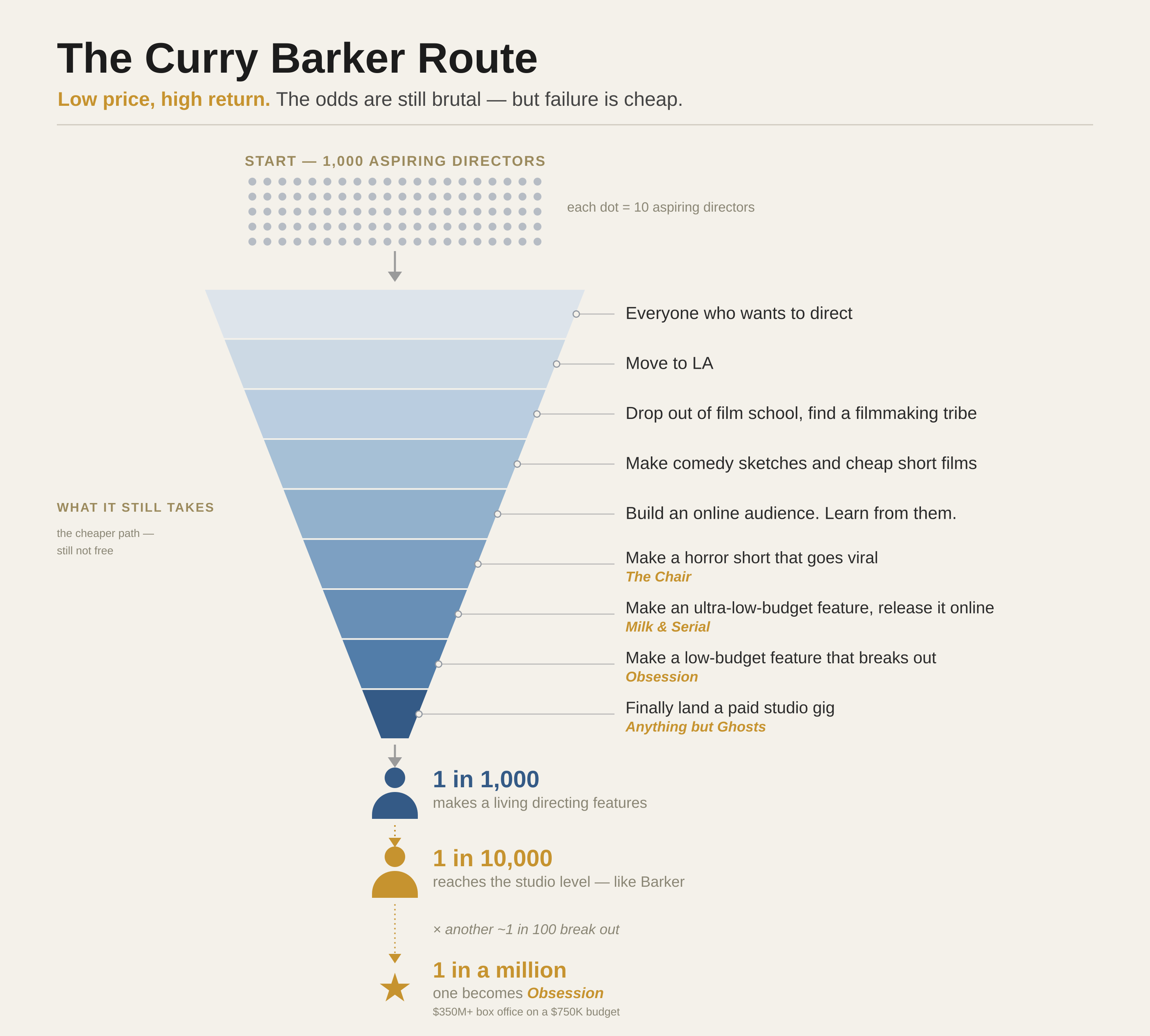
Look, Barker is also doing a lot of self-mythologizing, just like in the piece I wrote about Chloé Zhao. He clearly submitted to festivals, and got rejected by plenty. He also didn’t just upload The Chair to YouTube and “randomly” get 10m views. He built an audience brick by brick, and likely only went to it after the elite gatekeepers didn’t pick him.
But even with the failure and rejection, his path seems far more financially feasible than Zhao’s, or any of the other elite film school graduates. To put it in investing terms: if you’re not already wealthy, the MFA route has asymmetric downside, with debt that compounds at almost 10% a year. The Barker route has asymmetric upside; a low capital investment that can have tremendous success.
Notice that not only are the costs significantly lower, there are already revenue building devices built into this route, including a paid youtube channel, revenue from which can offset the costs of building the content. There’s also direct general audience feedback in the for, of comments, lokes and views. Again, not everybody’s going to succeed in this model, but the price of failure is far, far lower.
Also notice how much more of the Barker pipeline revolves around other people’s money, including Obsession. He got paid to make that. Your humble overeducated Gadfly was not blown away by it, but the audiences clearly disagreed with him, making it one of the most profitable indeoendent films of all time.

Another iconic example: three quarters of a century before Curry Barker, John Cassavetes built a little family of filmmakers and actors who helped each other out while making his low budget masterpieces like A Woman Under the Influence and Faces.
Those movies, their model, and their budgets, are accessible to ordinary people, but not if they’ve already borrowed $300,000 to make short films that will never recoup. Again, Obsession has already outgrossed the entire Sundance 2020s dramatic competition section.
Yes, you probably still have to move to LA or New York to find your crazy crew to work with. But you don’t have to borrow $300,000 to make $30,000 short films.
You may also need to make films in more audience-friendly online genres like comedy and horror, at least to start, but that’s still better than a lifetime of debt.
Timothee Chalamet recently got burned pretty hard for saying that he didn't want to work in forms where it's "keep this thing alive… no one cares about this anymore," like Ballet or Opera. But here’s the thing. A lot of independent film already is. Ballet and Opera operate on a conservatory model, just like the top film schools do. Europe also funds films just like any other fine art.
Cinema used to operate on a startup model; a ton of small, scrappy things, constantly failing, like salmon swimming upstream. With the conservatory between the filmmakers and the audience, it mostly just kills off the poorest aspirants.
We need the start up model back, the same one that produced Nolan and Tarantino, and just produced Barker. His breakout short The Chair cost just $2,000:
’The Chair’ was the first one where I was like, I need a real DP, I want to cast it through the casting process. The budget for that was like $2,000, and it was just me saving up my money, but also writing on a budget,” Barker said. “Any aspiring filmmaker’s worst nightmare is being paralyzed and having some sort of script that’s been written for months and months and months and you’re like, ‘Oh, don’t worry, one day I’m going to do it,’ but you never do because it just becomes too overwhelming. (We were) writing things that we could do right then.”
Money you work for and save yourself, otherwise known as skin in the game, is fundamentally different than abstract student loan money, and it always will be.
Another Way Out
I was recently in a debate online with a film journalist who said that we can’t know how many NYU alums at major festivals got there on scholarship. But the reality is that even with full scholarships, just paying for the cost of living and student films would likely put those same students in six figures of debt. Debt that somehow, somewhere, has to be repaid, and definitely not by unpaid, often self-financed indie features at Sundance or Tribeca.
For twenty years the federal government cosigned a panoply of bad loans, letting the universities charge more and more on the backs of students’ hopes, dreams and naïveté. That arrangement is ending.
Colleges and universities should be required to accept a portion of the responsibility for loans (including accruing interest) defaulted on by students who completed, or dropped out of their institutions, to be repaid to lending institutions over a certain time period. It’s the only way to incentivize them to improve.
For students without means, this new bill likely means that the gates will close on the elite networking and fundraising opportunities associated with these luxury academies. This did, of course, come at the cost of crushing debt.
I want to be clear that something real is being taken. But that thing — the right to mortgage your future for a rich kid's apprenticeship — was never what it promised, and led many people to a lifetime of financial pain.
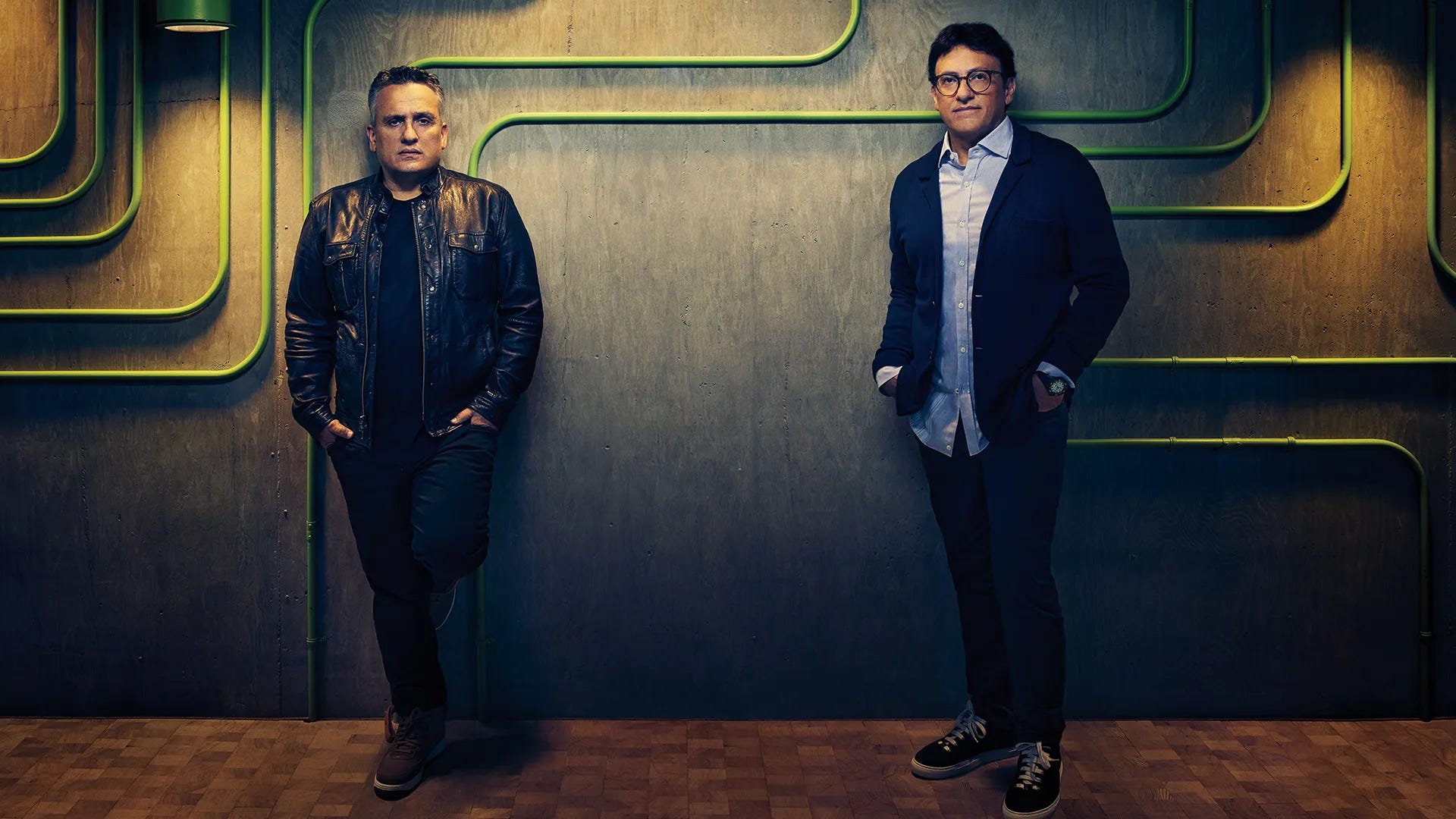
Many feature films, including the Russo Brothers’ first feature, were made for less than the cost of one year of attending Columbia. Yes, most of these features people make are bad, but from a learning standpoint, they’re likely far more valuable, and far less costly. The Russos are now the highest-grossing Marvel directors, and the third highest grossing directors of all time, and they got their start with a low budget feature put on credit cards.
To paraphrase Tarantino: they didn’t go to film school, they went to films.
There are tremendously talented MFA educated filmmakers. But the system has become incestuous, the cinematic equivalent of haemophilia, and is slowly strangling its own creativity. Teaching everyone to make movies like a handful of rich kids, bankrupting the non rich ones in the process, is part of the problem.
Over and over again working class artists have remade industries, not by taking on crushing debt to try and make it like rich kids, but by innovating with limited means.
Your author is hopeful that those same filmmakers who would have borrowed $300k for student films, can learn their craft for far less money, iterating and putting their films online. I will write more about these people soon, and have done so already.
People may have to stop going to film school, and start going back to films.
The reality is that people of normal or modest means were never going to compete at the luxury MFA game anyways, and if you don’t have money, playing that game at all is a trap. Instead of borrowing to pretend you can live like those people, you have to pursue other paths that fit your means. That’s what real creativity is.
In the buckets we saw above, yes, there were an overwhelming number of graduates of elite film schools, especially at Sundance. But, especially at SXSW and Tribeca (not to mention Slamdance), there were also creative, scrappy filmmakers who didn’t have nepotistic connections, weren’t famous actors, and didn’t go to film school at all. Those are the people who truly rebelled against this system, the people we really need to look to for inspiration.
And Curry Barker’s early shorts and feature didn’t play any of those fancy places anyways.
If you did get slammed with crazy debt by this brutal system, my heart goes out to you. If you haven’t yet and are considering it, perhaps it’s not the right path.
For the universities, they will need to make do with less. Less loans, and more liability for those loans. The taxpayer should not be covering their largesse.
For the rest of us, we know the medium is stagnating. Perhaps these overpriced colleges, and the conformity they’ve been slowly breeding, is part of why.
Such a well-researched and enlightening essay. Thanks for your hard work. Your insights also might provide a little balm to my years of rejections at those top festivals and programs: Don’t take it personally, it was never gonna happen anyway. All the money on submission fees. Oy! Like you wrote: “It’s demoralizing.”
This is super helpful, thank you for sharing. Do you feel the same way about public school MFA programs (like UT Austin or UCLA), than, say, private ones (like NYU/Columbia/USC/AFI?) Public ones are more affordable, but I’ve heard mixed things in their ability to really help and push filmmakers, but the structure can be helpful. Doing stuff on your own is great (and I’ve done that myself), but getting the right feedback/mentorship/support independently is quite challenging, and I’m curious how you think about that tradeoff.